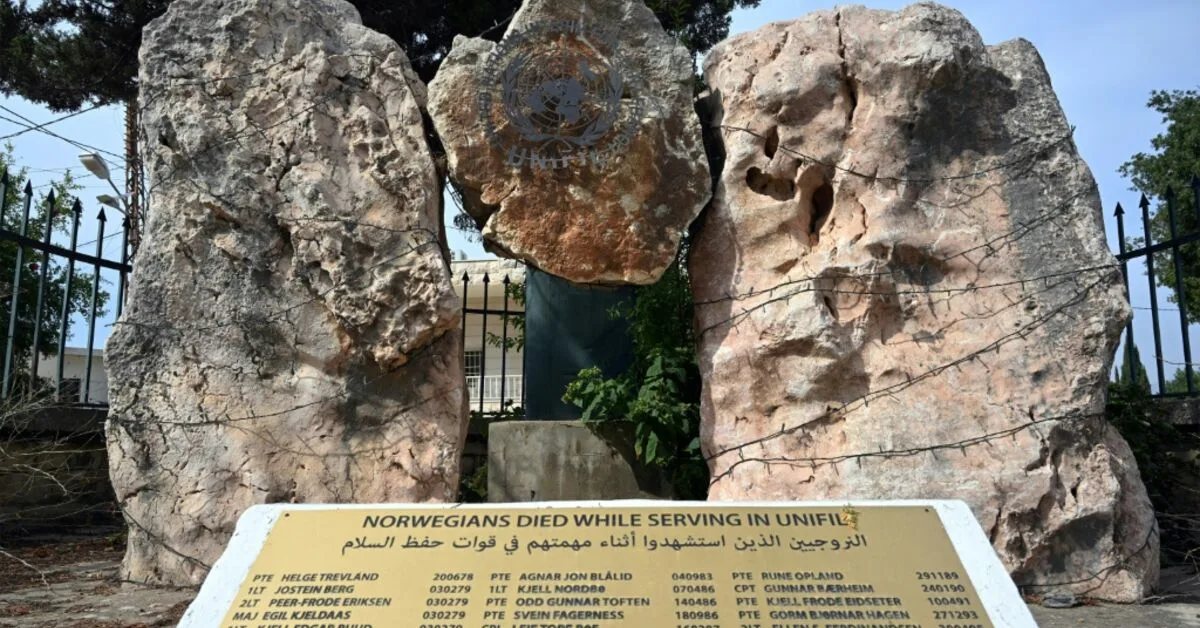
Mark Diab, one of the residents of the village of Aibl al-Saqi in southern Lebanon, expressed his concerns about the imminent withdrawal of the United Nations Interim Force in Lebanon (UNIFIL), stating that life in this village will be severely affected by this action. Diab, who operates his store near the Israeli border, said: "UNIFIL is not just a military force for us, but a family." He added that his sister is married to one of the peacekeepers and now lives in Spain.
Economic Impact of the Withdrawal of Peacekeeping Forces
Diab further pointed to the economic impacts of UNIFIL's withdrawal on the local community, saying: "We are actually open because of UNIFIL. This force has helped us establish our business." He also expressed concern that the withdrawal of these forces will lead to a decrease in security, stability, and social relations in the village.
Read more: Maxim Provot: Attacks on Palestinians and Diplomats in the West Bank
UNIFIL has been operating since 1978 as a buffer between Lebanon and Israel and has been recognized over the years as a supportive entity for local communities. These forces have helped maintain stability in the region by providing humanitarian assistance and monitoring border tensions. However, the United Nations Security Council, at the request of Washington, voted last year to end the mandate of these forces on December 31, 2026.
Local Concerns and Requests for Mission Extension
George Rahal, the mayor of Aibl al-Saqi, emphasized that the peacekeeping forces have provided stability and assurance for residents during years of conflict and insecurity. He said: "They have had a positive impact on the hearts of everyone, especially in terms of security, economy, health, and education." Rahal also noted that many residents of this village work as employees or contractors for UNIFIL, and the withdrawal of these forces will have a significant economic impact on the community.
Currently, UNIFIL consists of about 7,500 personnel from nearly 50 countries and collaborates with several local companies. Rahal continued: "We can live after these forces leave, but how, where, and who will be responsible for us?" Concerns about security in the current situation, when the Lebanese army cannot effectively deploy in the southern regions of the country due to resource limitations, have increased.
The withdrawal of this international force, especially at a time when Lebanon is facing economic and social challenges, could create a security vacuum. As Andre Tenenti, a former spokesperson for UNIFIL, stated, these forces have not only helped maintain peace and security but are also considered the second-largest employer and economic agent in southern Lebanon after the Lebanese government.
Read more: The United States Government Announces New Sanction Exemptions Against Russia · The Economy of Southern Persian Gulf Affected by the Closure of the Strait of Hormuz