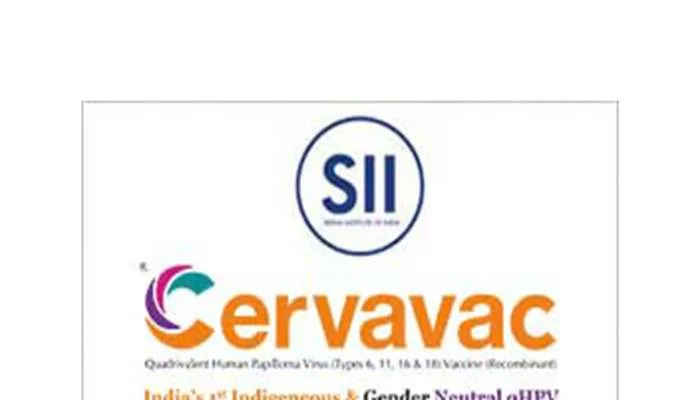
Covaxin, the first vaccine developed in India against the human papillomavirus (HPV), has achieved prequalification from the World Health Organization (WHO) through the Serum Institute of India (SII). This advancement not only marks a milestone for the institute but also allows various countries to utilize this vaccine to combat the risks associated with HPV.
Details of Covaxin
Covaxin, which is the 32nd prequalification from the World Health Organization for biological products from the Serum Institute of India, includes four types of recombinant HPV, specifically types 6, 11, 16, and 18. This vaccine is specifically designed for boys and girls aged 9 to 26 years.
Adar Poonawalla, CEO of Serum Institute of India, described this achievement as a significant step in strengthening the global response to HPV and emphasized that this accomplishment reflects the vaccine's effectiveness. He also expressed hope that this vaccine would enhance immunization coverage and improve global health.
Applications and Benefits of Covaxin
Vaccination with Covaxin can reduce the risk of diseases caused by four types of HPV. This vaccine is specifically designed to prevent HPV-related cancers, including cervical, vaginal, and anal cancers in girls and women, as well as anal cancer in boys and men. Additionally, this vaccine can prevent genital warts caused by HPV types 6 and 11.
Adolescents aged 9 to 14 years should receive Covaxin according to a two-dose schedule, while individuals aged 15 to 26 years should follow a three-dose schedule. This vaccine is administered intramuscularly and is available in 0.5 ml single-dose vials and 1 ml two-dose vials.
Covaxin, developed in collaboration with the Ministry of Biotechnology, the Biotechnology Industry Research Assistance Council (BIRAC), the World Health Organization, and the Gates Foundation, symbolizes India's advancements in the field of biological vaccine production and public health.