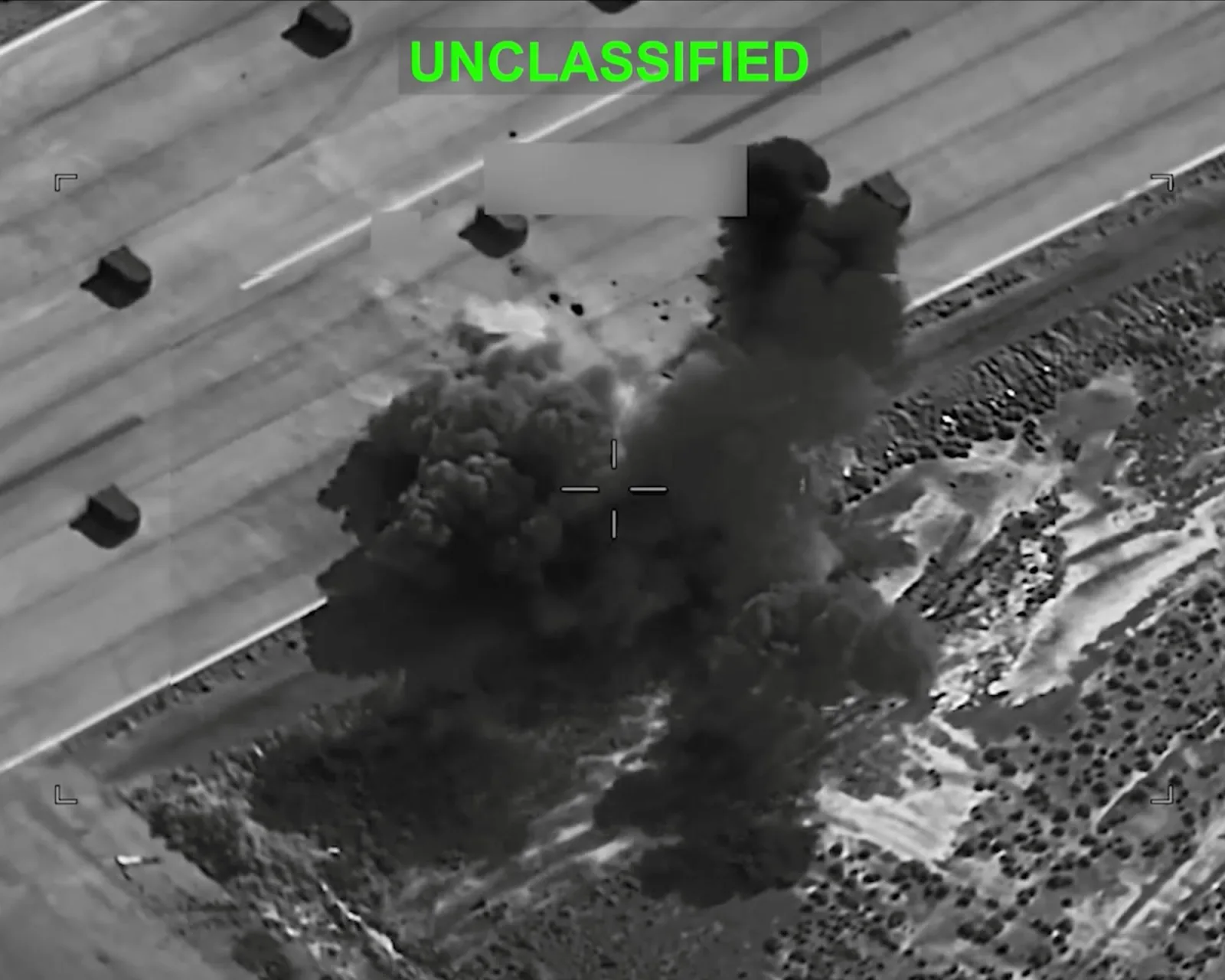
Amid escalating tensions between Tehran and Washington, clashes have reached a boiling point. On Thursday, Iran and the U.S. exchanged retaliatory attacks, while the U.S. President publicly warned Iran that if attacks on ships in the Strait of Hormuz continue, serious consequences would follow.
Retaliatory Attacks and Threats
This round of attacks is the largest since a temporary agreement was signed in June. Trump unexpectedly announced that the fragile ceasefire previously agreed upon has ended and serious actions will be taken if the attacks do not stop.
Iran quickly responded, launching attacks towards U.S. ally countries, including Kuwait and Qatar. Iranian officials also warned the U.S. against attacking its nuclear facilities, deeming it an unacceptable action.
Political and Military Consequences
These new developments have impacted the political landscape of the region and heightened concerns about an all-out war. Given that both countries are currently intensifying their positions, there is a possibility that tensions may escalate further soon. Some analysts believe that these clashes could lead to a serious crisis that would affect not only Iran and the U.S. but the entire region.
Meanwhile, the international community is closely monitoring the developments, and it seems that other countries will also take action to prevent the escalation of tensions. In this situation, the future of Iran-U.S. relations remains shrouded in uncertainty, and it appears that no one can predict where this crisis will lead.