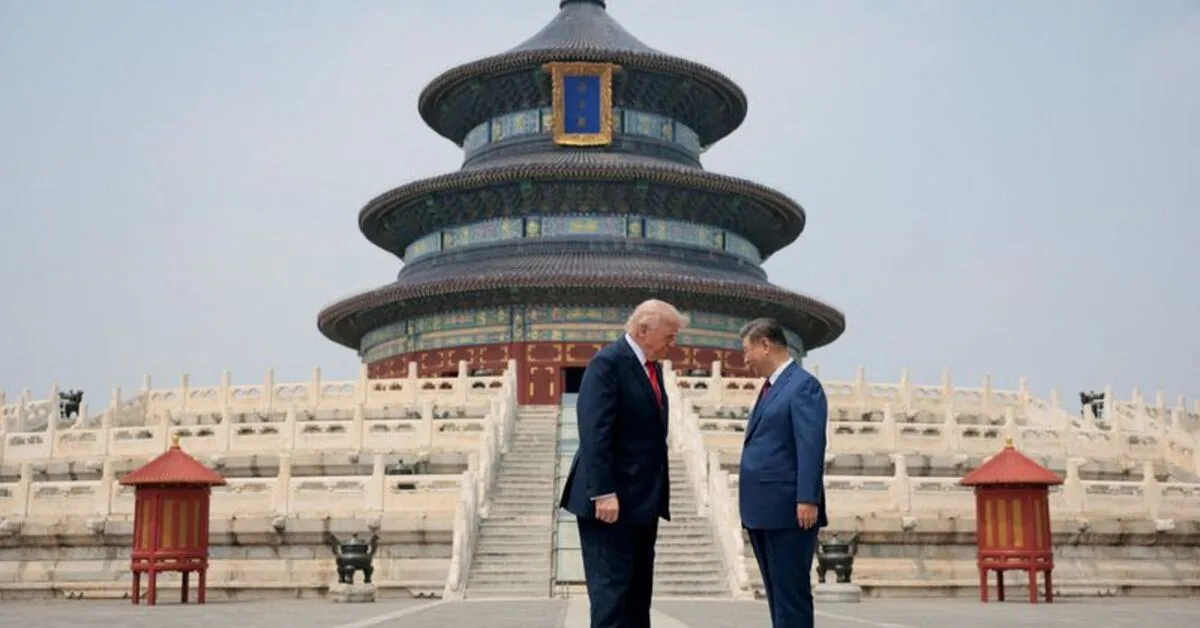
The Democrats' victory in the U.S. midterm elections, which has put control of Congress in their hands, creates both an opportunity and a challenge for China, according to analysts. This outcome could have profound effects on the complex relationship between Washington and Beijing.
The Impact of Congressional Control on Trade Policies
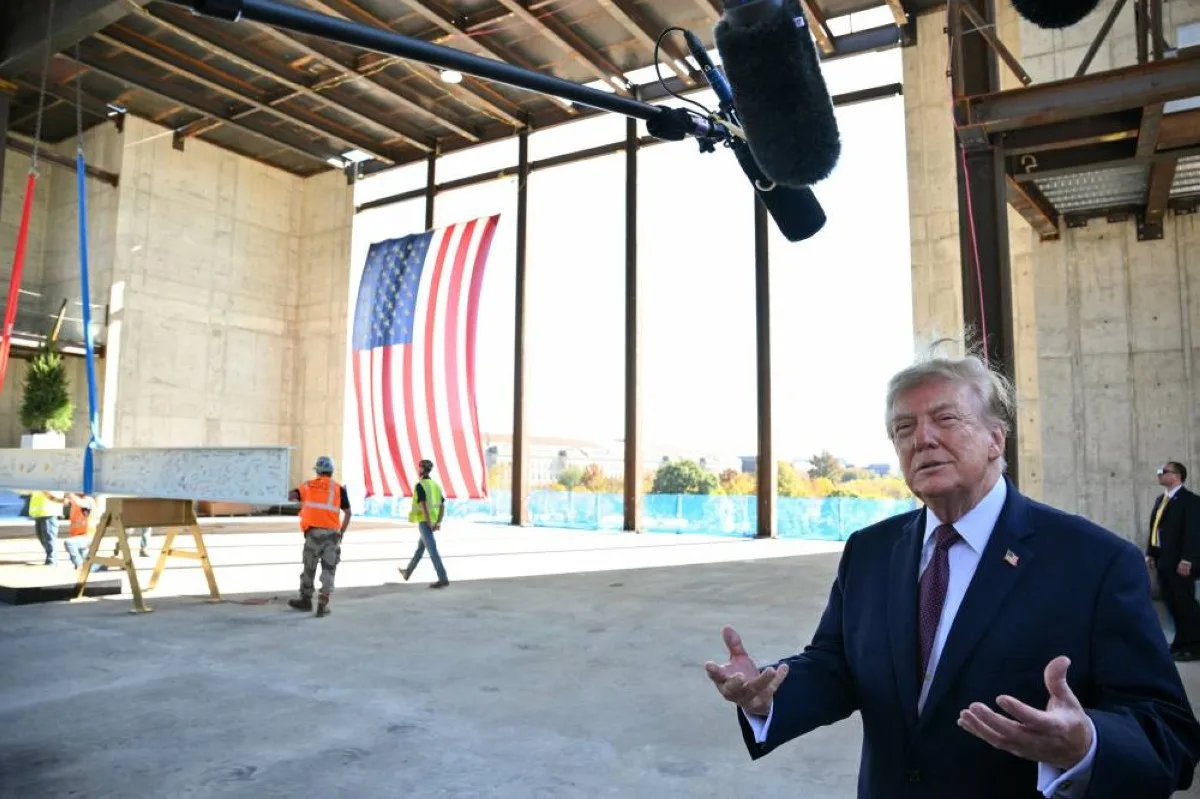
Control of both chambers of Congress allows the Democrats to limit Donald Trump's frequent use of tariffs on Chinese goods. This action could harm Trump, as he has relied on these tariffs during the tense trade war between the United States and China. If the Democrats can constrain him, Trump "will be less able to use the tariff card in negotiations with China," said Wu Shimbo, head of the Fudan University Institute of International Studies in Shanghai.
Read more: Pakistan Seeks to Strengthen Military Cooperation with Saudi Arabia under the Command of Aasim Munir
Challenges Facing the Democrats
However, the Democrats must consider that tariffs are popular among some voters. These tariffs are supported by "unions, working-class voters, and small businesses" that have historically been the Democratic electoral base. Patricia Kim, a foreign policy expert at the Brookings Institution, stated that Congress "will be less inclined to support actions that significantly increase pressure on China if it leads to higher costs for American consumers and businesses or increases the likelihood of conflict."
Taiwan, the democratic island supported by the United States that China claims, may be a "game changer." Washington is Taipei's most important security supporter and has sold billions of dollars in weapons to it. However, Trump said in May that arms sales to Taiwan could serve as a bargaining chip in negotiations with China, and his administration has since delayed a $14 billion arms package.
Analysts believe that China could use the last two years of Trump's presidency to increase pressure on Taiwan, especially if Beijing "judges that Washington is distracted or that Trump is willing to accept conditions for non-intervention." Congress under Democratic control may also force Trump to resume arms sales to Taiwan, which would "undermine the stability of U.S.-China relations."
However, analysts believe that Beijing is unlikely to change its approach in dealing with Trump. According to Kim, "Beijing is likely to continue nurturing him through high-level interactions with Xi Jinping, viewing this as the least costly way to manage relations with Washington."
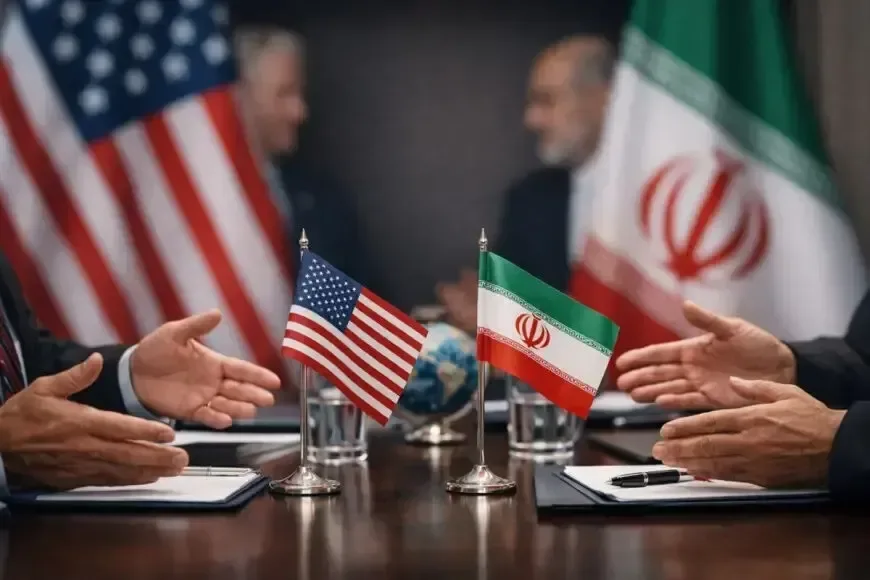
Read more: Analysis of the Iran War; Consequences and Perspectives in Statements by American Officials · Appointment of Former U.S. Army Secretary as National Security Advisor