The results of the U.S. midterm elections, which led to the defeat of the Republican Party led by Donald Trump, may strengthen China's position in trade negotiations with Washington. Political analysts believe that these developments could make Trump more cautious about disrupting trade agreements with Beijing, as his successor may have a less conciliatory approach.
Political and Economic Consequences for China
American voters, angry over rising living costs and Trump's trade wars with China and other countries, voted for the Democratic Party in this election, handing control of Congress to this party. These political developments could give China space to strengthen itself and diversify its trade relations ahead of the potential arrival of a less friendly government towards China in Washington.
Read more: Andy Burnham and the Start of New Discussions on Brexit in the UK
Shen Weizhong, a former official of the Chinese Ministry of Foreign Affairs, states: "The Chinese are completely pragmatic and know that the new president may be very different from Trump. But if we can maintain stability for another two years, that is an advantage for China." He also points out that the more time we have, the better we can prepare for a final confrontation with Taiwan or another trade war.
Risks and Challenges Ahead
However, the next two years may not be smooth for China. Some analysts warn that Trump, facing domestic limitations, may resort to more aggressive actions in an attempt to achieve foreign policy successes. The Democrat-controlled Congress may also pressure him to resume arms sales to Taiwan, a red line for China.
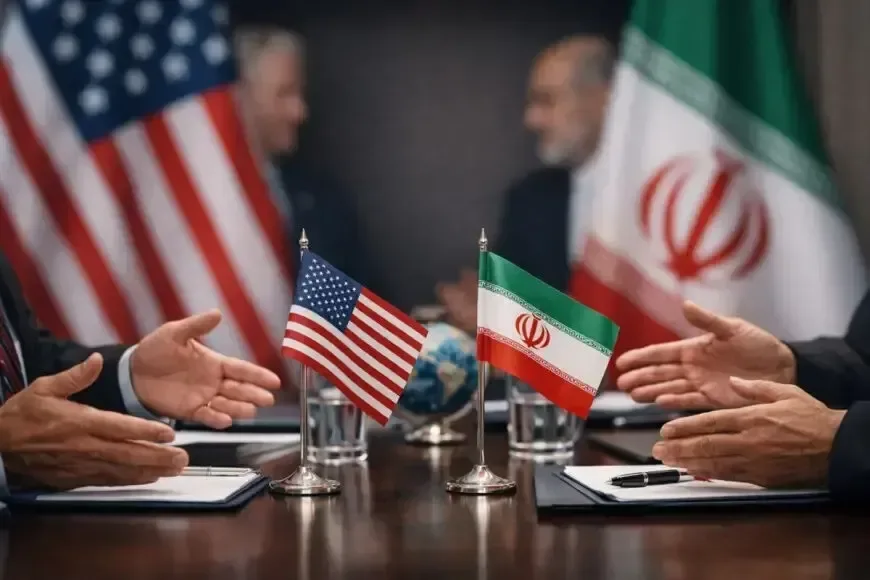
China's senior analyst at the Economist Intelligence Unit, Chiem Li, believes: "The overall direction of U.S. policy towards China will not necessarily change, but there are concerns about unconventional foreign policy issues that may have unexpected consequences for China." One of the main concerns is the escalation of the war in Iran and its transformation into a broader regional conflict that could raise global oil prices and threaten China's energy security.
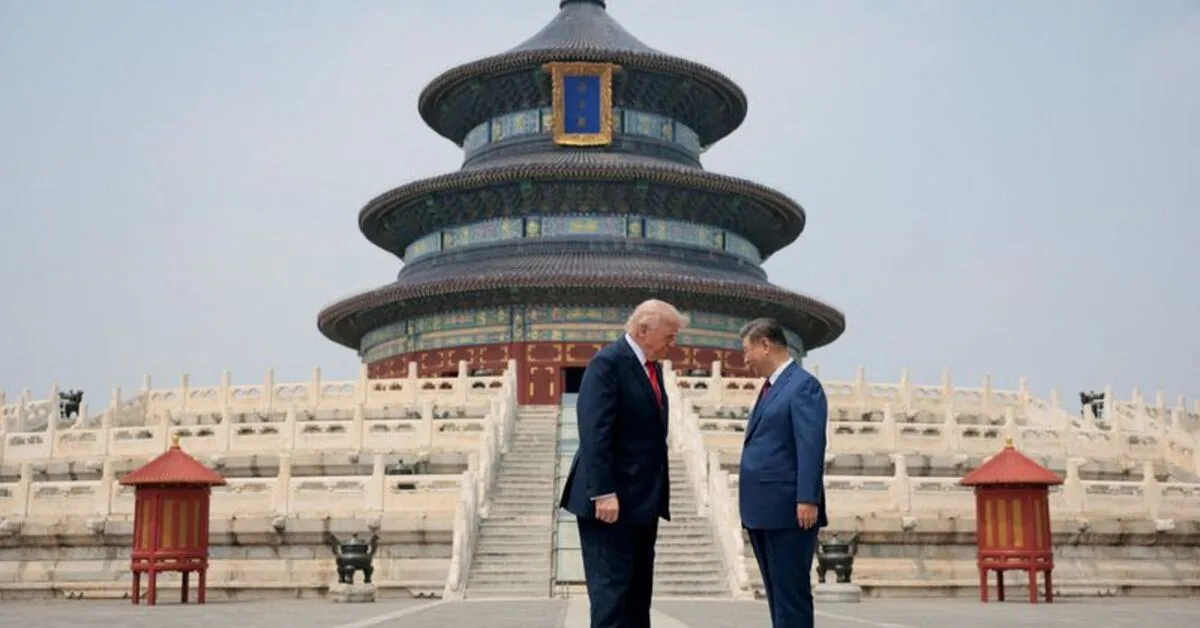
In the short term, attention will be focused on upcoming trade negotiations. Trump is set to meet with Chinese President Xi Jinping on the sidelines of the ASEAN summit in Shenzhen and will then attend the G20 summit in Miami in December. In these negotiations, the agreement that was established during the trade war between the two countries is set to expire in January, and China may conclude that Trump's political troubles mean he needs the agreement more, which could lead to increased pressure from China for tariff reductions and other concessions from the U.S.
However, this also carries the risk of a "miscalculation" that could disrupt the stability that Xi is trying to maintain. Trump has repeatedly criticized what he sees as China's unfair trade practices with Washington and has imposed high tariffs on Chinese goods. Since returning to the presidency last year, he has significantly softened his tone and welcomed Xi at two major summits in Beijing and Washington.
Given recent developments, China now faces a Congress that emphasizes human rights issues more and is reviewing Chinese investments as well as providing a $14 billion arms package to Taiwan, which Trump has said he is holding as a "checkmate" with Xi.
Shen Weizhong, a former official of the Chinese Ministry of Foreign Affairs, considers these actions to be "the number one risk" following the midterm elections and believes that China will react strongly to this issue.
Read more: General Ahmad Sharif Chaudhry: Pakistan is Working to Bridge the Gap Between Iran and the U.S. · Development of Economic Cooperation Between Oman and China with Sultan Haitham bin Tariq