The Islamic Republic, following increased economic pressures from U.S. sanctions, is seeking to reach a new agreement. According to published analyses, these pressures have led the negotiators of the Islamic Republic to seriously consider reviving an agreement that was signed in June of this year.
Impact of Sanctions on the Islamic Republic's Oil Exports
U.S. sanctions, particularly in blocking oil exports, have severely impacted the economy of the Islamic Republic and have pushed the country towards negotiation and agreement. Despite the high costs of this action, it seems that these pressures have been effective, and the Islamic Republic's crude oil exports have returned to levels close to those before the war.
Read more: Iran's Oil Minister Resigns Amid Economic Pressures
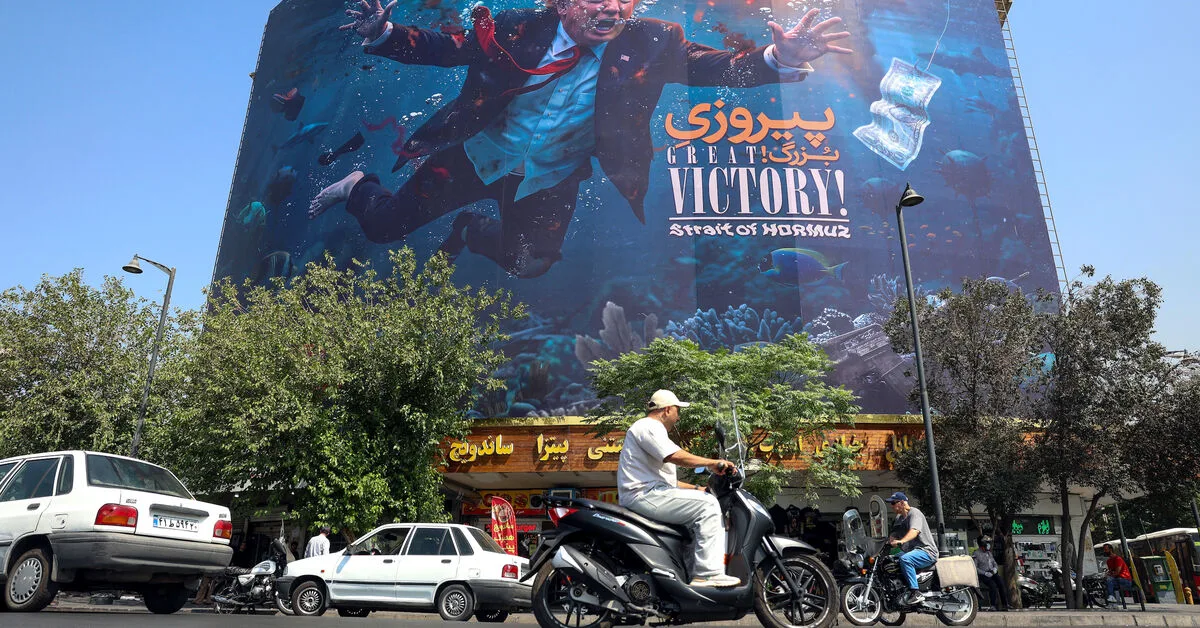
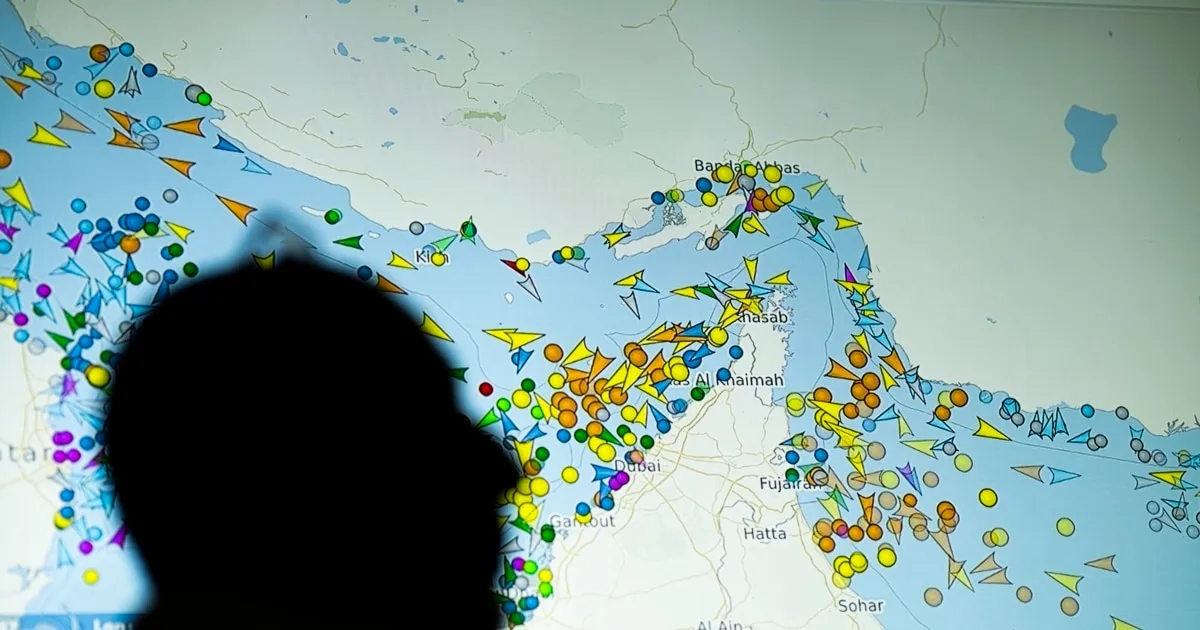
This change in the status of oil exports may explain the Islamic Republic's efforts to quickly revive the agreement in which the U.S. promised to release frozen assets and allow oil exports in exchange for reopening the Strait of Hormuz and returning to nuclear negotiations. These developments occur while the leaders of the Islamic Republic raised their stakes in negotiations significantly this summer and, despite signing the agreement, attacked oil tankers.
Challenges and Deadlocks in Negotiations
Analysts believe that the White House is resisting pressures and is demanding clearer commitments from the Islamic Republic regarding its nuclear program before releasing any funds. This deadlock clearly indicates a lack of trust between both parties regarding each other's commitments. The Islamic Republic sees no incentive to make new concessions due to distrust in U.S. promises.
Meanwhile, speculation about the resumption of bombings by the U.S. after the midterm elections is also increasing. For this reason, the current situation may be less stable than it appears, and the possibility of a return to war could significantly affect energy prices.
Analysts warn that hardliners currently in control in Tehran view these issues as an existential battle and have shown little regard for the suffering of ordinary Iranians. Therefore, it seems more likely that this group will escalate tensions and attack oil facilities in the Persian Gulf rather than surrender to economic pressure.
Ultimately, it appears that the U.S. should seek to improve a new ceasefire instead of demanding "unconditional surrender," and the Islamic Republic should allow International Atomic Energy Agency inspectors to return to the country to assess the status of its nuclear program and enriched uranium reserves. This action could help create an environment for constructive negotiations.
Read more: New U.S. Sanctions Against Iran's Arms Supply Chain · New U.S. Sanctions Harm Iran's Automotive and Rail Industries