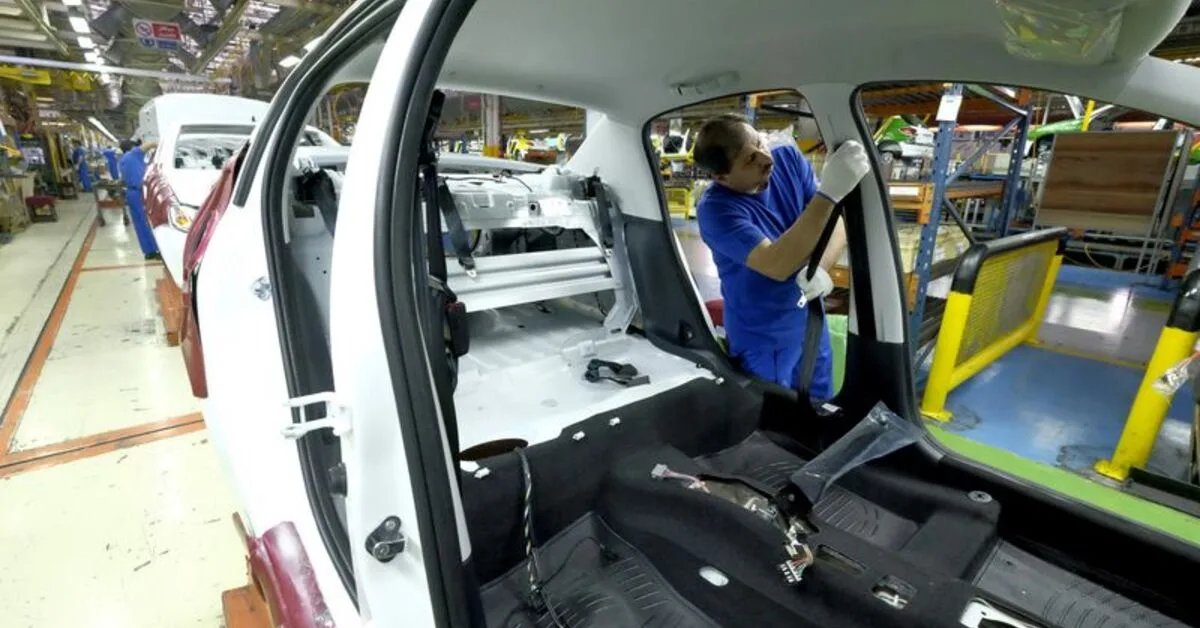
The United States imposed new sanctions on Iran on Thursday that particularly harm the country's automotive and rail industries. This action was announced by the U.S. Department of the Treasury as part of efforts to economically isolate Tehran.
Details of the Sanctions
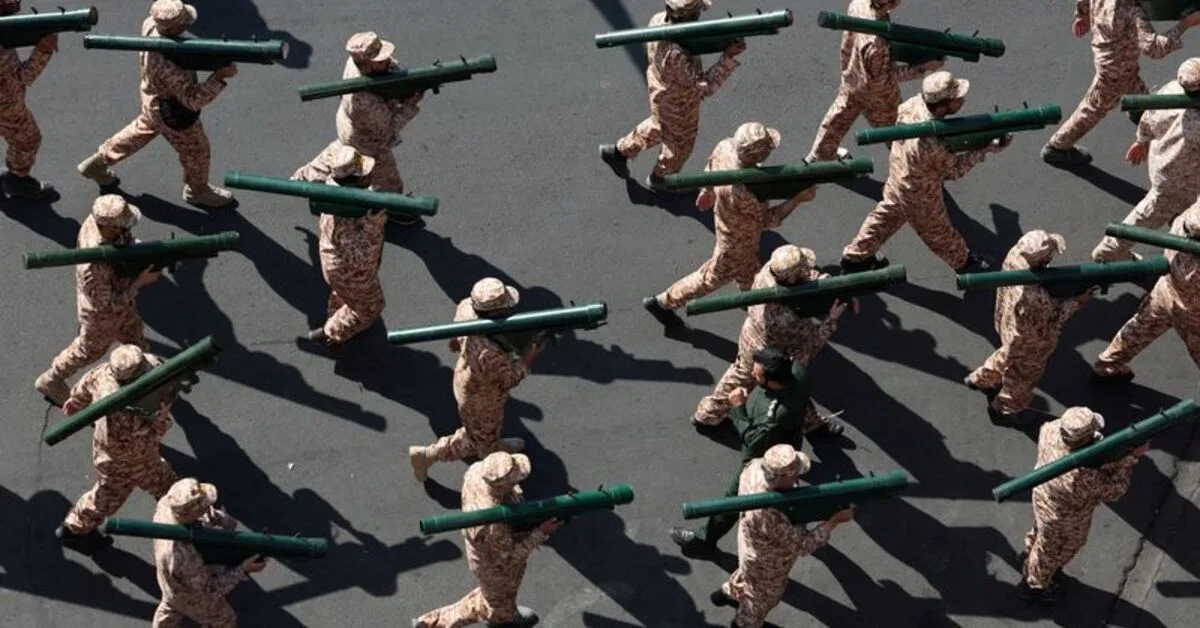
The sanctions, under the title "Economic Displacement Operations" announced on August 24, aim to reduce Iran's financing for war, missile construction, cyber attacks, and the Quds Force of the Islamic Revolutionary Guard Corps. The goal of this program is to compel Tehran to negotiate to end a war that began following a joint attack by the United States and Israel on Iran about seven months ago.
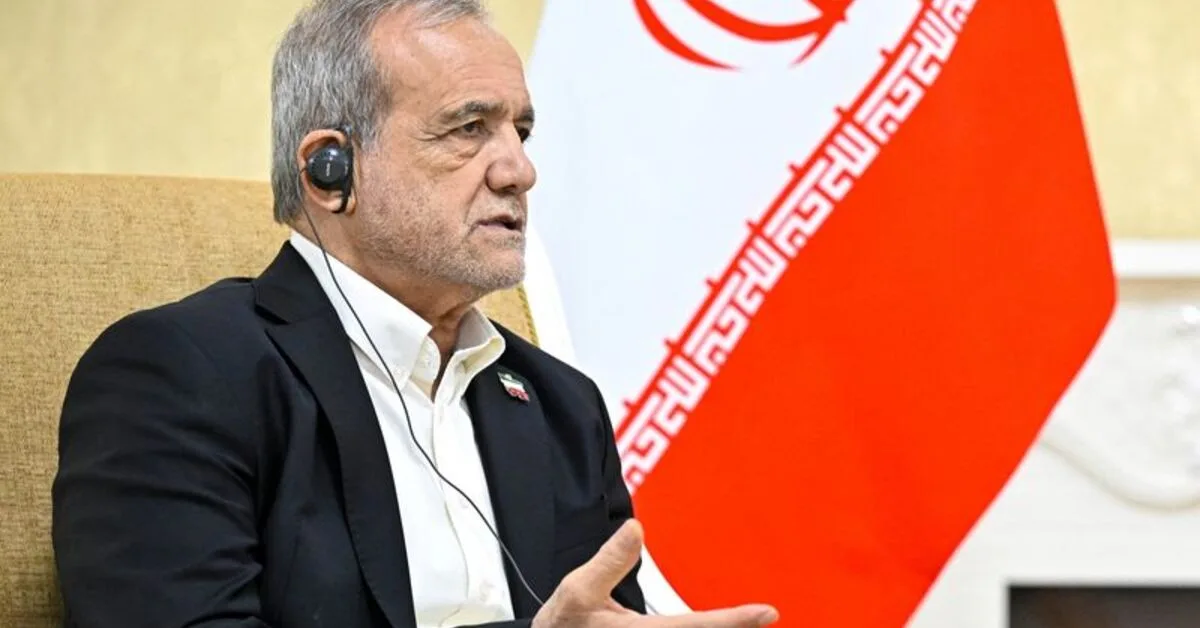
Read more: Message from Masoud Pezeshkian, President of Iran, on the occasion of World Maritime Day
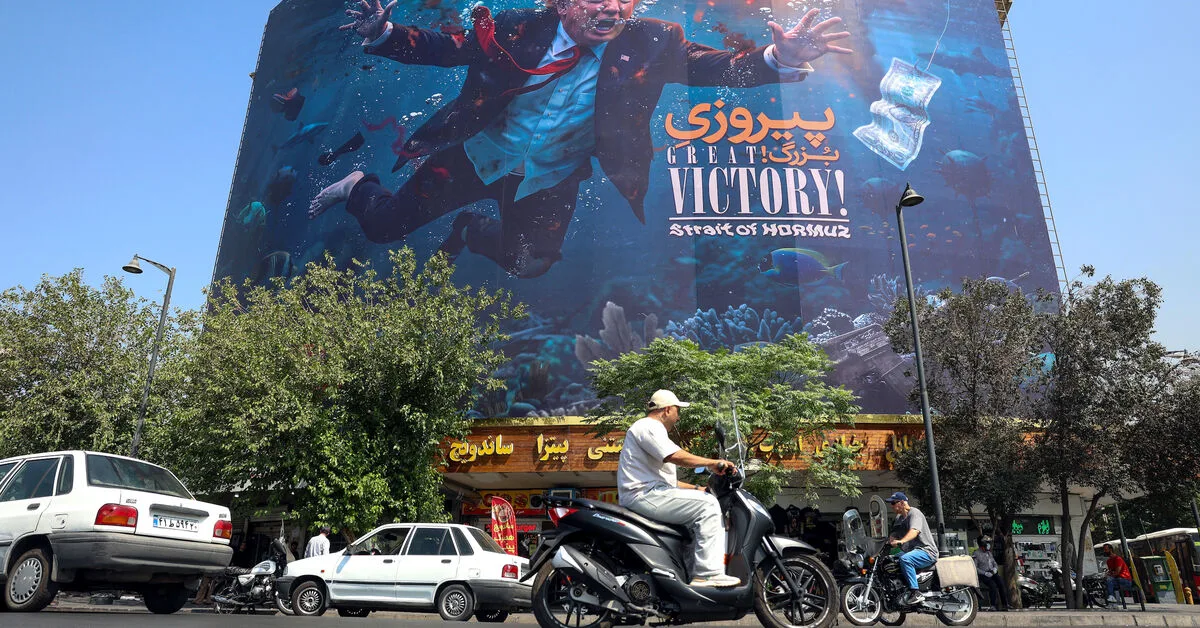
The United States, by imposing restrictions on Iranian oil in the Strait of Hormuz, has forced Tehran to rely more on vehicles and railways for transporting oil products, fertilizers, chemicals, and other goods. The recent sanctions specifically target these transportation options.
Sanctioned Companies
The sanctions include Iran Khodro (IKCO) and Saipa automotive companies. The U.S. Department of the Treasury has stated that these two companies represent over 90% of the domestic car market in Iran. Additionally, the Islamic Republic Railways, which provides passenger and freight services, and other companies including Raja Passenger Trains and a leading private freight railway company in the country are also on the sanctions list.
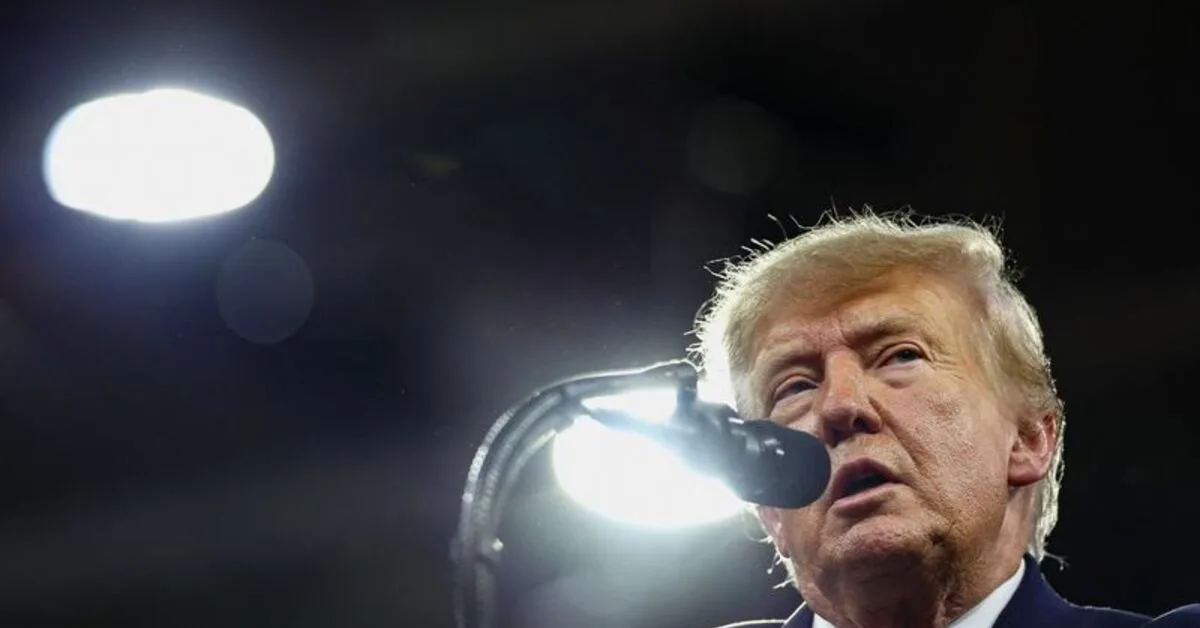
Scott Busent, U.S. Secretary of the Treasury, explained that this action "directly harms economic actors in Iran and fully sets the stage for reducing the regime's revenues." These sanctions are employed as a tool of economic pressure to compel Iran to negotiate.
Economic and Political Consequences
These sanctions could have significant consequences for Iran's economy. Given that the automotive and rail industries serve as two key sectors in transportation and goods movement in the country, these restrictions could lead to serious disruptions in meeting Iran's domestic and export needs. Moreover, these sanctions could also impact the daily lives of people, leading to price increases and reduced access to essential goods.
In fact, these sanctions not only target the financial resources of the Iranian regime but also serve as a tool to pressure the Iranian government to change its political and military behaviors. However, it remains to be seen whether these actions can lead to success in international negotiations or not.
Read more: Mohammad Baqer Qalibaf warned the United States and threatened oil infrastructure · The withdrawal of American forces from Iraq and its impacts on regional security