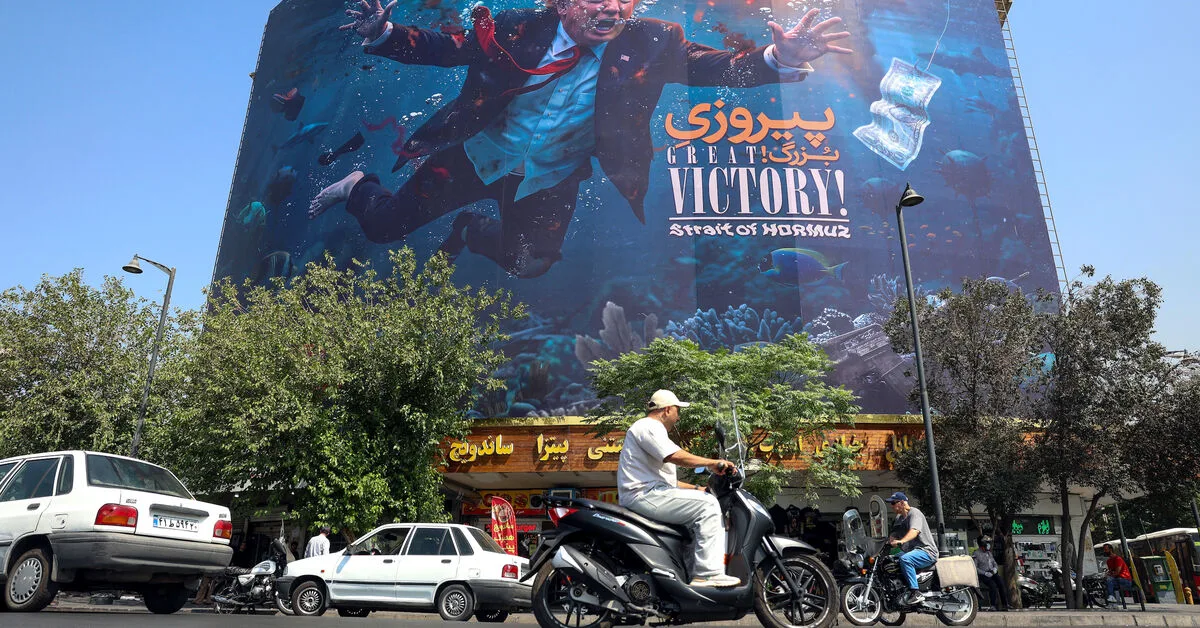
Iran is facing serious economic challenges following the recent seven-month war with the United States. While Iranian officials may speak of their victories in this war, the daily lives of citizens have been severely impacted, and they are struggling to meet their basic needs.
Economic Pressure and Changes in Daily Life
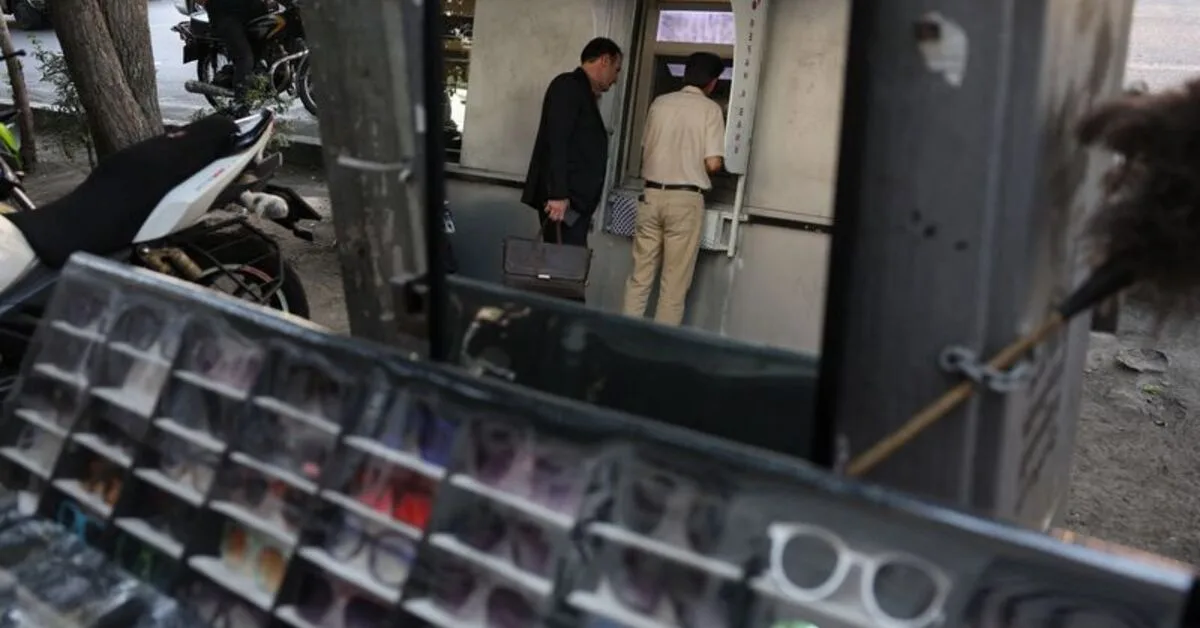
The increase in costs is clearly evident in the daily lives of people. For example, an engineer who had to leave Tehran due to high housing rents complains about financial pressure. Additionally, a housewife in northern Iran has given up smoking due to the rising price of cigarettes. Workers are also facing serious difficulties in purchasing medicine.
Read more: Nasrin Sotoudeh, Iranian human rights lawyer, received the European Council's human rights award
For instance, Behnam Riazi, a restaurant owner in Tehran, stated that he has to sell his goods at minimal profit because customers cannot afford to pay more. In fact, most customers only purchase essential items.
Social and Economic Consequences
The volume of economic pressures on Iran could influence diplomatic negotiations, especially as Iran seeks to maintain its control over energy exports in the Persian Gulf. However, Iranian officials have expressed concern about social unrest and are adamant about suppressing any signs of discontent.
People are facing multiple problems in their daily lives, and many prefer to avoid discussing their issues with foreign media. For example, Hadiyeh, a housewife in northern Iran, struggles to provide the necessary medications for herself and her elderly mother. She has forgone buying a new bag for her granddaughter and has only managed to purchase a few notebooks and pencils.
Moreover, recent developments indicate an increase in corruption and bribery in society. People have been forced to pay bribes to bypass administrative processes and receive medical services. For example, one individual mentioned paying $200 for medical services. Additionally, requests for bribes from the police have increased.
Given these circumstances, many Iranians are looking for ways to reduce their expenses. For example, Nazanin, a 34-year-old psychologist in Sanandaj, has quit smoking due to the high costs of cigarettes. She confirms similar experiences from other community members who have limited their choices due to economic pressure.
Ultimately, considering these conditions, it seems that Iran is on the brink of a serious economic and social crisis. This crisis not only affects the daily lives of people but could also impact the course of diplomatic negotiations and the international relations of the country.
Read more: Iran and United States dialogue assessed positively · Statement by the representative of the people of Nahbandan and Sarbishe about regional security