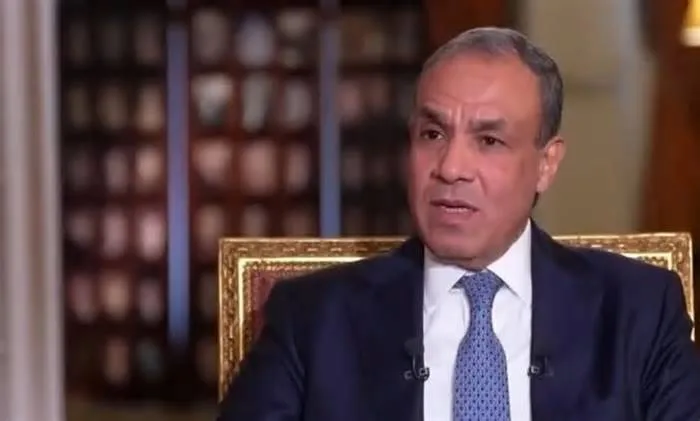
Badr Abdel Aati, Egypt's Foreign Minister, recently announced that his country is prepared to offer "military support" to Gulf countries following requests from them. These statements come in light of recent developments in the region and the security needs of these countries, reflecting Egypt's desire to strengthen relations with its neighbors in the Gulf.
Dimensions of Egypt's Military Support
The Foreign Minister of Egypt emphasized that the country is ready to provide "all forms of support" to Gulf countries. This could include military consultations, provision of equipment, and even joint cooperation in military fields. This support is being discussed at a time when Gulf countries are facing multiple security challenges, including regional security threats and political tensions.
Read more: Significant Progress in Arab Drilling Deals in Oman and Saudi Arabia
Response to Regional Developments
Abdel Aati's statements, especially in the current situation where the Gulf region is facing increasing tensions, are seen as a response to the security needs of neighboring countries. These developments indicate Egypt's special attention to security and stability in the Gulf and its willingness to cooperate more closely with these countries. As a regional power, Egypt can play an important role in ensuring security and stability in this region.
Moreover, these collaborations could lead to the formation of a military alliance among Gulf countries and Egypt, which could help strengthen collective security against common threats. In this regard, it is expected that Gulf countries, led by Saudi Arabia and the United Arab Emirates, will seek to enhance military and security cooperation with Egypt.
Ultimately, these statements reflect the expansion of Egypt's relations with Gulf countries, which could lead to the formation of a new perspective in regional security policies.
Read more: Oman and Egypt: Cooperation in Urban Development and Infrastructure Management · Development of Trump's Merger Policies in the Gulf and Relations with Turkey and Syria