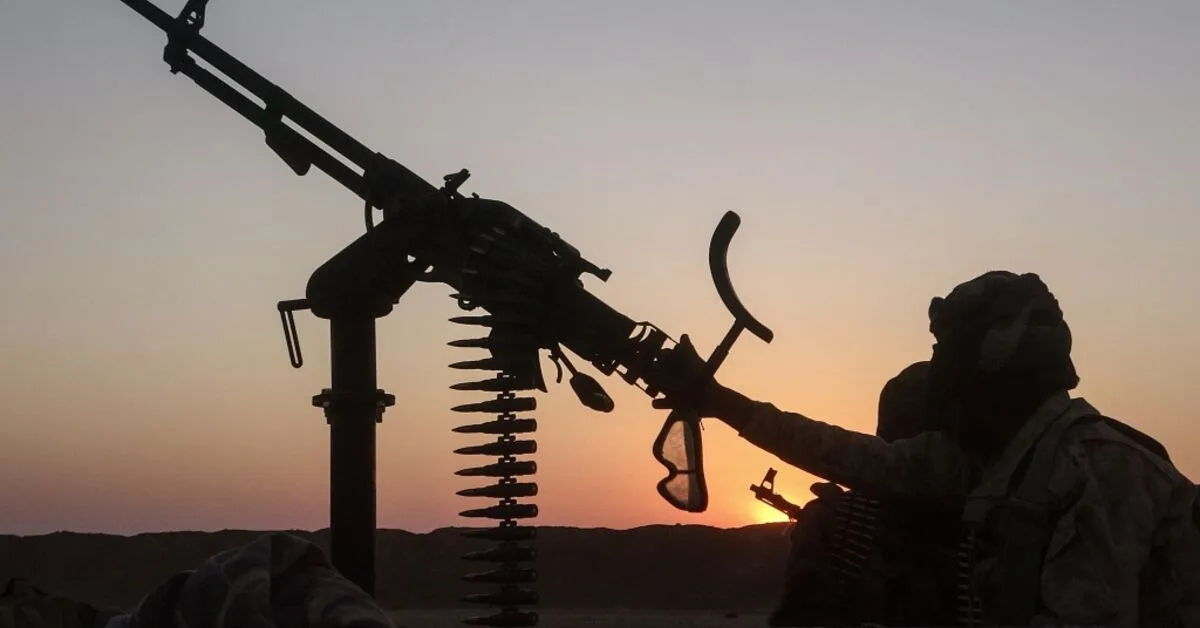
For the first time in over three decades, the United Nations has failed to extend its peacekeeping mission in Western Sahara. This vast desert region, rich in phosphates and marine resources, was a Spanish colony until 1975. Currently, Morocco controls most of this territory, while the Polisario Front, supported by Algeria, has claimed ownership of the region for several decades, and it remains on the UN's list of non-self-governing territories.
MINURSO Mission and Its Challenges
Morocco considers Western Sahara part of its territory and has proposed autonomy under Moroccan sovereignty, while the Polisario Front demands complete independence from Morocco. The MINURSO mission was established in 1991 to organize a referendum on self-determination that has never taken place.
Read more: Brazil's President at the ASEAN Summit in Manila
The MINURSO mission ended on October 31, after Russia and the United States voted against conflicting resolutions in the Security Council. Washington proposed an extension of the mission while sidelining the referendum option and placing Morocco's autonomy plan as the basis for future negotiations. Of the 15 Security Council members, 11 supported this approach, but Russia deemed it unilateral and called for an unchanged extension of the MINURSO mission, which faced opposition from Washington.
Responses and Consequences
Jacob Mundy, a Western Sahara expert at Colgate University in the United States, stated: "Washington was trying to impose a solution, but it is clearly biased in this conflict." The United States recognized Western Sahara as part of Morocco in 2020 when Morocco normalized relations with Israel.
Morocco supported the U.S. proposal and also saw a small victory in Russia's veto. The country views the end of the mission as an important step toward "final closure" on this issue at the United Nations. According to Ricardo Fabiani, a senior analyst at the International Crisis Group, the withdrawal of MINURSO means the end of UN oversight in the region and another step toward normalizing Morocco's control over it.
The Polisario Front stated that it holds Morocco "fully responsible for any serious consequences" regarding regional security. Algeria, Morocco's regional rival and host to thousands of Sahrawi refugees, said that Russia's veto was "inevitable" and added that the U.S. proposal was an attempt to "justify the status of occupation."
Morocco's autonomy plan has been supported by countries including France, the United Kingdom, and Spain. Last year, the Security Council unprecedentedly backed this plan, calling it the "most reasonable" solution. The United Nations has also begun to reduce the MINURSO mission, emphasizing that the withdrawal of this mission does not affect the inalienable right of the people of Western Sahara to self-determination.
Analysts believe that the end of the MINURSO mission could remove a long-standing barrier between Morocco and the Polisario Front. Without peacekeeping forces on the ground, Morocco may have "greater freedom to conduct operations against the Polisario Front."
Read more: Qatar and Greece Announce Start of Annual Strategic Talks · Kuwait Emphasizes the Need to Adhere to International Court of Justice Rulings