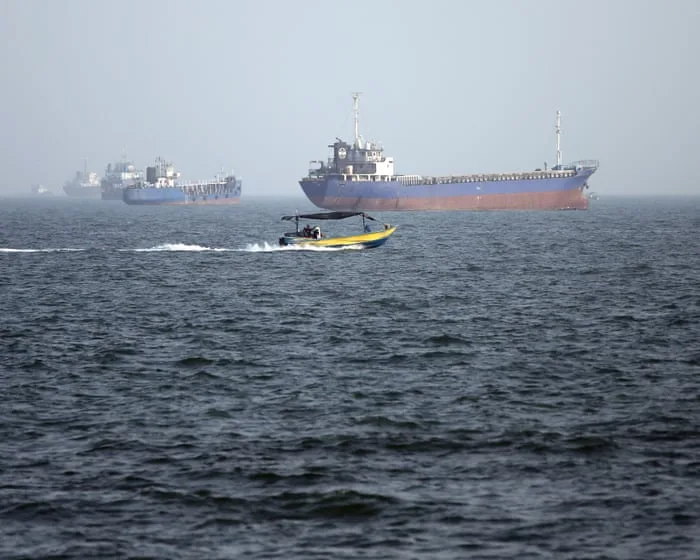
On a tense day in the Persian Gulf, the United States military announced that it had "destroyed" several Iranian tankers after Iran attempted to attack an American warship with ballistic missiles. These developments indicate an escalation of violence in the region and increased military tensions between the two countries.
Consequences of the Attacks and Reactions
According to a statement from U.S. Central Command (Centcom), these attacks occurred in the Gulf of Oman and near Iran's Khark Island, with American forces instructing the crews of the tankers to abandon the ships before the attack. This decision was made not only as a precautionary measure but also as part of a broader U.S. strategy to prevent further threats from Iran.
These attacks followed Iran's recent attempts to target the American fleet in the region. In response to these actions, Iran also attacked an American military base in Jordan, and this exchange of fire has heightened global concerns about the potential for an all-out war in the Persian Gulf.
Rising Oil Prices
With escalating tensions and increased military attacks, oil prices are rapidly rising, reaching over $100 per barrel. This price increase could have serious economic repercussions for oil-dependent countries, including Iran and the U.S., and impact the global energy market.
As both countries seek to strengthen their positions in this crisis, more questions arise about the future of their relations and the likelihood of further military conflict. These tensions not only affect regional security but could also lead to significant changes in global markets.