The exhibition 'Fayum Faces' featuring Egyptian mummy portraits that are 2000 years old will be inaugurated at the Ara Pacis Museum in Rome. These works, created after Egypt was conquered by the Roman Empire, are astonishingly realistic and demonstrate the deep cultural connection between ancient Egypt and Rome.
Details of the Exhibition and Displayed Works
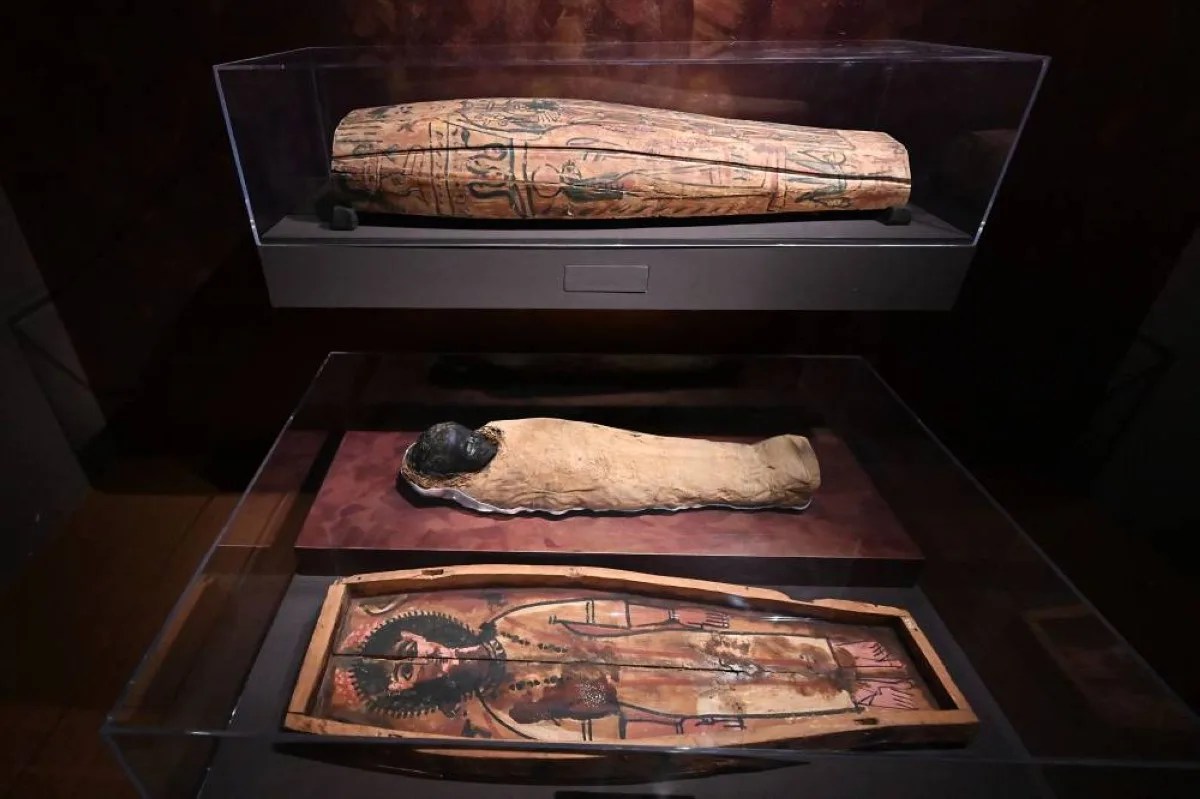
These portraits, which date from the 1st to the 3rd centuries AD, were painted on thin wooden panels and served as coverings for the faces of mummies. The exhibition 'Egypt and Rome, Fayum Faces' will start on Wednesday in Rome and will include mummies, masks, coverings, jewelry, marble columns, and sculptures. Many of the displayed works have been loaned from Egypt, and some are being exhibited outside the country for the first time.
Read more: Qatar and Uzbekistan Celebrate Shared Islamic Heritage and Center of Islamic Civilization
Most Exclusive Works and Their Significance
One of the standout pieces of this exhibition is the portrait of two brothers known as 'The Two Brothers' which has been loaned from the Egyptian Museum in Cairo. This portrait depicts two young men with curly hair and deep-set eyes, and Claudio Parisi Presicce, the senior cultural heritage official in Rome, has described it as an 'absolute masterpiece.'
Parisi Presicce said at a press conference on Monday, 'These are simple wooden panels that are usually only a few millimeters thick and were used to portray the faces of those who were buried.' These works clearly represent a blend of Egyptian and Roman traditions and vividly depict the faces of men, women, and children.
The exhibition will also showcase other works from prestigious global museums such as the Louvre, the Metropolitan Museum, the Getty Museum, and the Württemberg State Museum. Fayum is a fertile region in Egypt where, due to its dry climate, wooden artifacts, textiles, and papyri have been well preserved.
Parisi Presicce also noted that 'countless questions' remain about these portraits. These works may have been created before death and preserved until the time of burial, or they may have been painted at the time of burial. He mentioned that a nail found above one of the portraits makes the latter theory plausible.
Hesham El-Leithy, Secretary-General of the Supreme Council of Antiquities of Egypt, stated that these images still possess a strange power to affect viewers. He said, 'These people look like us; we look at them, and they have been looking at us for two thousand years. This is the power of the portrait.'
This exhibition will continue until May 2 and is considered a unique opportunity to get acquainted with the history and culture of ancient Egypt and Rome.
Read more: Strengthening Cultural Relations Between Kuwait and France with the Presence of Anne-Claire Lejeune · Egypt's Concern Over Escalation of Iran and America War