On a hot summer afternoon on August 15, 2021, the Taliban entered Kabul, transforming the lives of millions. Shallah, a 16-year-old girl, was watching the news on Afghan television when she realized Afghanistan had fallen; she ran to the garden and tearfully informed her mother.
Her younger sister, Fatima, who was 11 years old, was at her cousin's house. At that moment, she did not understand what this change meant or who the Taliban were. Their older sister, Mahin, who was 22, was well aware of the consequences of this event and read the news with trembling hands on Facebook at her workplace.
Unavoidable Phenomena of Exile
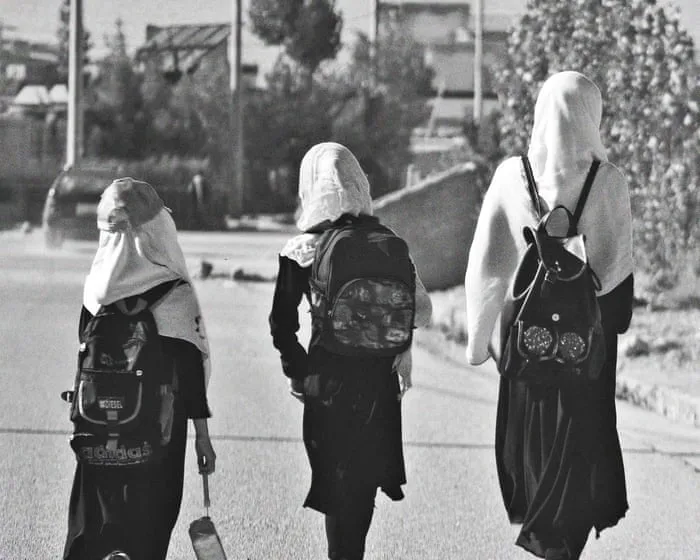
Now, Shallah, Fatima, and Mahin find themselves in very difficult circumstances. With the return of the Taliban, they and hundreds of thousands of other women and girls have been returned from Iran and Pakistan to Afghanistan. These women face severe social, educational, and economic restrictions, and their daily lives have been affected by these changes.
Shallah says, "We were looking for a brighter future, but now we have to face this bitter reality. We have been deprived of our right to education and work, and our future is becoming darker." Fatima also feels that as a young girl, her future is shrouded in uncertainty.
Hope for Change
Despite all the hardships, these three sisters hope for one thing: "One day the Taliban will need women to be educated." They believe in their right to education and a better life, and they continue to hope for a future without restrictions.
The story of these three sisters represents the voice of millions of Afghan women who, following the return of the Taliban, have been drawn into a life that no one could have imagined. They are well aware that under the shadow of these developments, their future is at risk, but they will never lose hope for change.