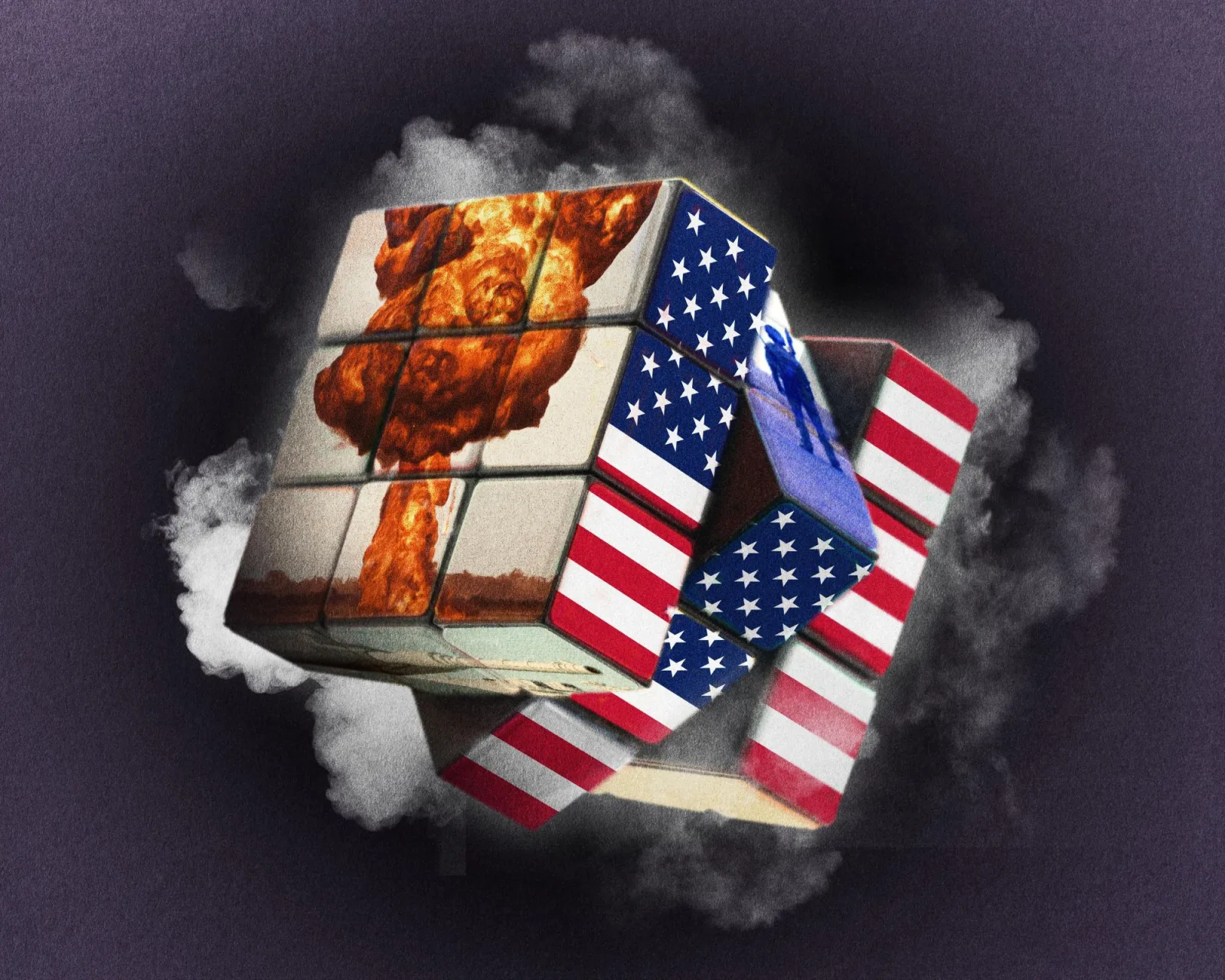
The Iran-U.S. war, as one of the current major challenges, has had widespread consequences for global stability and the economy of the Middle East region. As international relations are affected by increasing tensions, countries have recognized the importance of cooperation and diplomacy.
Consequences of War and Lack of Global Cooperation
The Indian Foreign Minister, Subrahmanyam Jaishankar, recently pointed out that "the lack of security in one part of the world can affect other areas." These remarks reflect the complexity and interdependence of global issues. The war in Iran has clearly fueled other crises in the Middle East and beyond. Tom Barrack, Donald Trump's representative in Turkey, noted that the war against Iran has led to unexpected consequences. He remarked that "small fires have turned into large fires," addressing the new complexities in regional relations.Barrack also referred to the unintended changes that have occurred following U.S. interventions in the Middle East, stating, "Every time we have tried to bring about changes in a country, it seems that this action has had the opposite effect." He cited examples such as Iraq, Libya, and Afghanistan and emphasized that these interventions have not only been ineffective but have often led to disastrous outcomes.
Economic Challenges Arising from Tensions
The Iran-U.S. war has also impacted the region's economy. Forecasts indicate that Saudi Arabia's GDP, the economic powerhouse of the Middle East, will decrease by 3.3 percent. This comes as Saudi Arabia's Vision 2030 plan was designed as a solution to reduce oil price volatility, but with the onset of war and the resulting instability, all assumptions of this plan have been challenged.Moreover, global oil prices have surged significantly, reaching $117 per barrel, a 50 percent increase compared to before the war. This rise in prices has affected the global economy and pushed inflation rates to 4 percent. It seems that the economic challenges and crises stemming from the war, in addition to humanitarian consequences, will spill over to other countries due to economic interdependencies.
Ultimately, given the current conditions, a return to diplomacy and efforts to establish new and sustainable agreements seem essential. Otherwise, the world may face more crises that could have unpredictable consequences.
Read more: Kuwait emphasizes the necessity of adhering to the rulings of the International Court of Justice · Mediators' efforts to prevent conflict between the United States and Iran after midterm elections