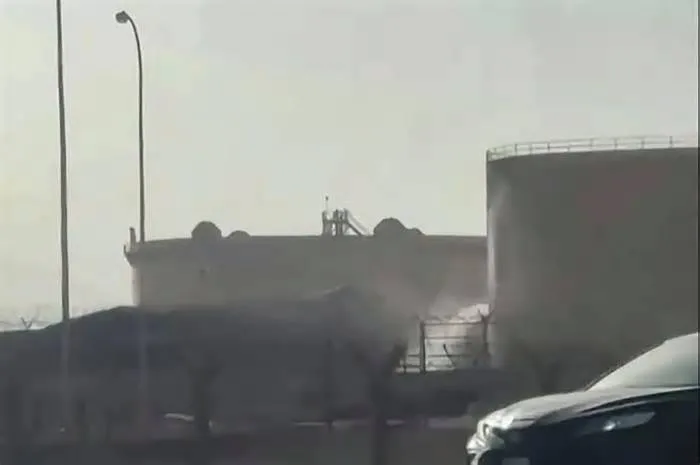
The member countries of the Gulf Cooperation Council are grappling with security challenges stemming from the Iran war. These countries are looking to maintain military cooperation with the United States while also establishing direct or indirect communications with Tehran.
Security Challenges and Diverse Approaches
Bahrain, Kuwait, Oman, Qatar, Saudi Arabia, and the United Arab Emirates are pursuing several paths simultaneously in response to the complex security situation. On one hand, these countries rely on U.S. military support, and on the other hand, Washington's direct involvement in the war has increased risks and turned these countries into retaliatory targets for Iran.
This seemingly contradictory approach is actually proposed as a strategy to reduce risk among the smaller countries in the region. As the war drags on and human and economic costs rise, the motivation of the Gulf countries to reach an understanding with Tehran also increases.
Saudi Arabia and Diversity in Defense Partners
Saudi Arabia, as the largest member of the Gulf Cooperation Council, sought a broad defense pact with the United States before the war. However, with the onset of the war, it realized that U.S. military support could not prevent Iranian attacks. Therefore, Riyadh has sought to diversify its defense partners and has taken actions such as forming a maritime defense coalition and expanding military cooperation with Pakistan and Turkey.
Oman and Qatar, as two other countries, have pursued diplomatic policies to stay out of the war. Oman has distanced itself from the conflicts by attempting to mediate, while Qatar, despite hosting U.S. bases, has sought to maintain balance. These countries are simultaneously looking to preserve diplomatic relations with Tehran while facing Iranian attacks on their facilities.
The United Arab Emirates, as another Gulf Cooperation Council country, has adopted a stricter approach while also reaching potential agreements with Iran through backchannel communications. Meanwhile, Kuwait and Bahrain have also tried to adopt cautious positions, but reports have emerged of their covert participation in attacks on Iranian facilities.
Despite the political differences among the Gulf Cooperation Council countries, a common pattern can be observed in their behavior: maintaining security through cooperation with the United States and striving for diplomacy with Tehran. This approach could lead to a reduction in tensions and the formation of new agreements for the future of the region.
Read more: Qatar emphasizes the need for regional security arrangements