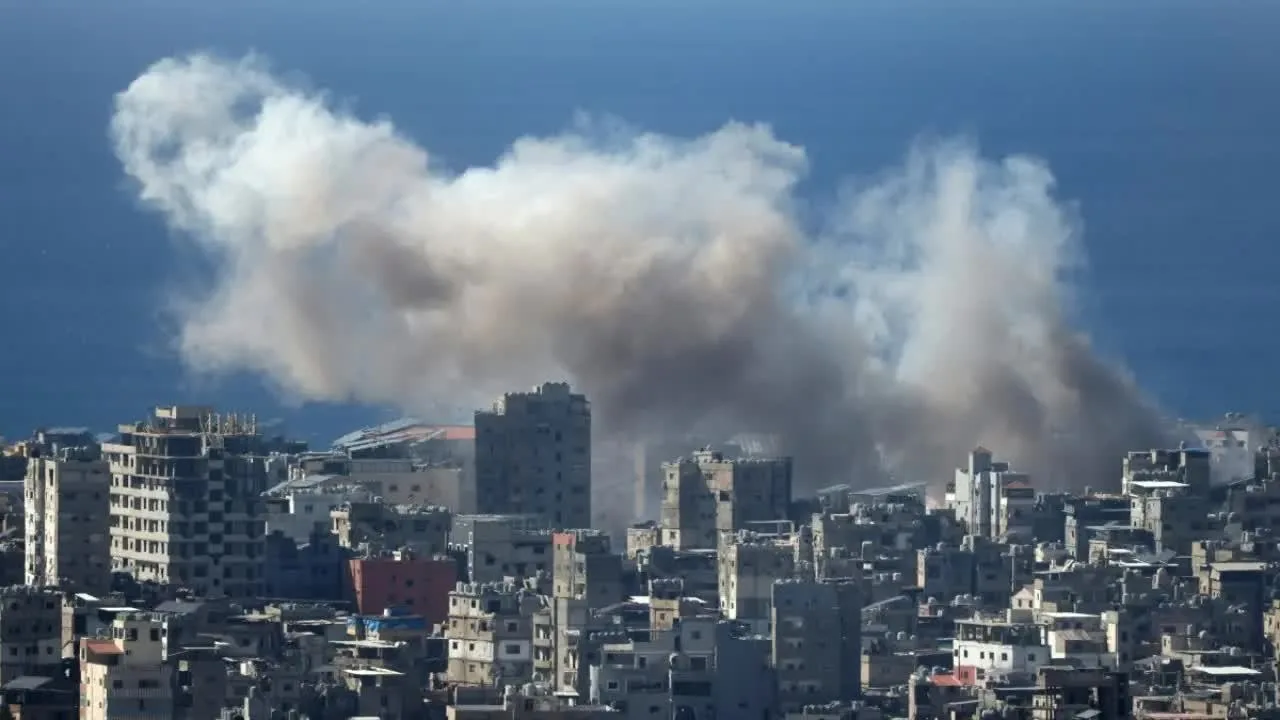
The member countries of the Gulf Cooperation Council, including Bahrain, Kuwait, Oman, Qatar, Saudi Arabia, and the United Arab Emirates, are facing serious challenges in the security domain. As tensions and conflicts with Iran have prolonged, these countries are looking for solutions to maintain their security. Dependence on the United States as the main security supporter has helped them, but it has also brought limitations.
Efforts to Diversify Security Strategies
The Gulf countries are currently facing difficult choices. On one hand, they continue to cooperate with the United States, especially in military defense, but on the other hand, they are seeking to expand their security and diplomatic relations with other countries, especially Iran. This approach may initially seem dualistic, but in reality, it is a necessary mechanism for the survival and security of these countries.
Read more: Abdul Latif bin Rashid Al-Zayani: The region's security is in an unprecedented situation
If tensions and the costs of war increase, Gulf countries are likely to move towards compromise and engagement with Tehran. In mid-August, one Gulf official noted that "Trump started this war, and we are paying the price." This expression of dissatisfaction reflects a decline in these countries' trust in the United States.
Saudi Arabia and Efforts to Reduce Dependency
Saudi Arabia, as the largest and most influential member of the Gulf Cooperation Council, is a prime example of these countries' efforts to diversify their security strategies. Before the war began, Saudi Arabia was seeking to conclude a formal mutual defense treaty with the United States. However, with the onset of conflicts, this country faced challenges, including the lack of consultation from the United States with regional partners.
Subsequently, Saudi Arabia has taken measures such as allowing Pakistan to deploy military forces and forming a maritime defense coalition with the participation of other countries to reduce its security dependencies on the United States. These actions reflect Riyadh's efforts to create a broader network of security and defense relations in the region.
Saudi Arabia also participated in a joint attack against Shia militants in Iraq in late July. However, this country has often tried to prevent escalation of tensions and press the United States in military decisions.
In this context, Saudi Arabia and other Gulf countries have repeatedly urged the United States to refrain from escalating conflicts. These requests have led to significant impacts at various points, including negotiations with the U.S. President.
Ultimately, while Saudi Arabia has sufficient political and diplomatic weight to create regional security coalitions, smaller Gulf Cooperation Council countries, such as Oman, have fewer tools to exert influence due to population and economic limitations.
Read more: Oman announces preliminary list of candidates for municipal council elections · Three individuals arrested on charges of stealing air conditioning units in Busher, Oman