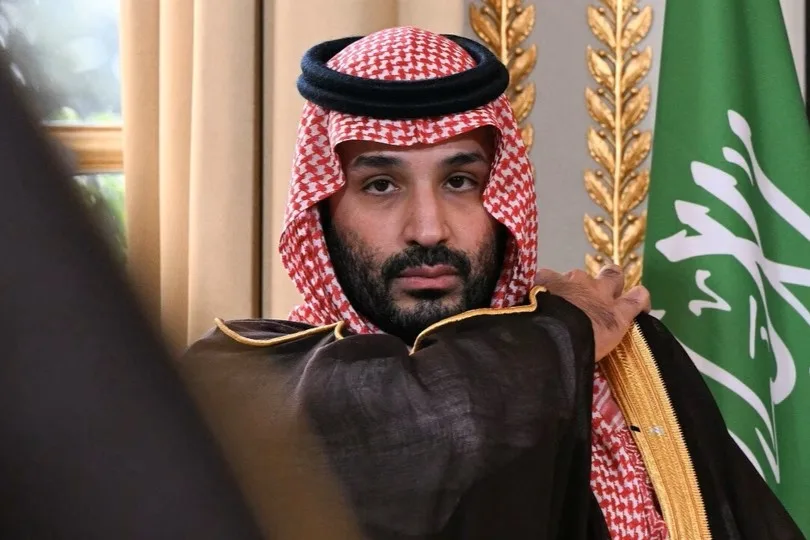
Gulf countries, especially Saudi Arabia and the United Arab Emirates, strongly emphasize the continuation of economic pressure on Iran. According to informed sources, these countries seek to maintain their position against Iran and will not agree to any deal that leads to a reduction of sanctions. This stance comes as mediators such as Qatar seek to revive negotiations between Washington and Tehran.
Efforts to Revive Negotiations
Mediators including Qatar are trying to hold a new round of negotiations in Oman. The goal of these negotiations is to encourage Tehran and Washington to reopen the Strait of Hormuz and begin the process of ending the war. Donald Trump, the President of the United States, expressed hope for the resumption of negotiations, emphasizing that the two sides will meet soon. Meanwhile, Gulf countries, especially Saudi Arabia and the United Arab Emirates, are consulting with the Trump administration to maintain economic pressure on Iran.
Read more: Trump and Gulf leaders meeting in New York focused on Iran deal
Challenges Facing the Agreement
Saudi Arabia is facing new obstacles in delivering its oil to global markets. The Houthis in Yemen, who are supported by Iran, have increased pressure on Saudi oil shipments in the Red Sea. According to sources, there are other obstacles to reaching an agreement. These include Tehran's concern that negotiations are merely an effort by the U.S. to buy time until the midterm elections, as well as the aggressive tone of Iranian hardliners exacerbating these issues amid heightened U.S. economic pressures.
Behnam Ben Taleblu, senior Iran program director at the Foundation for Defense of Democracies, pointed to the impact of Houthi threats on Gulf countries, stating: "This threat could compel Gulf Cooperation Council countries to align with U.S. sanctions." He emphasized that these issues reflect the costs and consequences of Iran's overreach in power play.
A White House official also stated that sanctions and maritime blockade have positioned the United States strongly against Iran. He added: "While President Trump is prepared to engage in dialogue with Iran under the right conditions, he sees no need to negotiate with the Iranians."
Arab Countries' Perspective
Arab countries led by Saudi Arabia supported negotiations with Iran last summer and were even willing to accept an agreement that recognized Iran's role in the Strait of Hormuz. However, recent Iranian attacks on Saudi ships and Houthi efforts to block maritime routes have made these countries doubtful about Iran's seriousness in reaching an agreement. Mohammed bin Salman, the Crown Prince of Saudi Arabia, has told U.S. officials that the United States should maintain the maritime blockade until Iran is compelled to sign a new agreement.
Officials from the United Arab Emirates, who had previously expressed their willingness to diplomatically end the conflict, have now lowered expectations regarding negotiations with Iran, stating that the increase in violence indicates Tehran's lack of interest in diplomacy.
In contrast, Oman and Qatar believe that heavy costs have already been paid in the region and that the only practical way to end the conflict is to implement a phased plan for reopening the Strait of Hormuz and halting attacks against Gulf countries.
Qatar has been trying to resume talks between Iran and the U.S. on the sidelines of the UN General Assembly. The Iranian Foreign Minister has traveled to Doha to discuss new proposals, including a seven-day ceasefire. This proposal could pave the way for ending Iranian attacks on shipping in exchange for lifting the U.S. maritime blockade. However, sources indicate that the U.S. has repeatedly informed Qatar that Trump has no intention of lifting the maritime blockade.
While Arab mediators emphasize various proposals to end the war, different messages have been received from the Islamic Revolutionary Guard Corps. The IRGC, which plays a key role in Iran's power structure, is calling for a return to conditions closer to the initial agreement that promised a reduction of sanctions in exchange for reopening the Strait of Hormuz.
The United States has also emphasized that it has no interest in returning to that agreement and believes that economic pressure will ultimately compel Iran to sign an agreement with terms more favorable to Washington and Gulf countries.
Read more: Putin and Saudi Crown Prince emphasize the need for safe passage through the Strait of Hormuz and Bab el-Mandeb · Iran warns about the expansion of war to the Indian Ocean