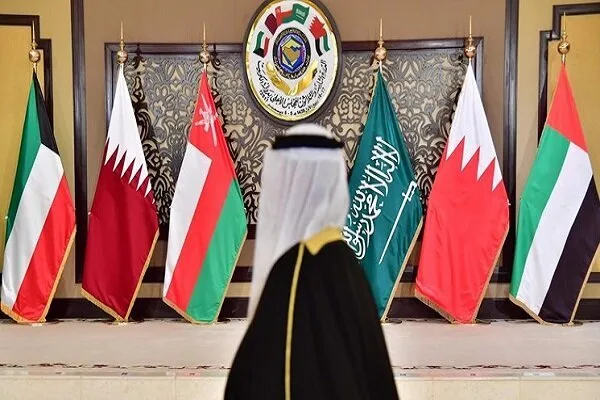
Arab countries of the Gulf region, during their meeting on Tuesday with Donald Trump, the President of the United States, requested that he refrain from escalating tensions with the Islamic Republic of Iran. This request comes as tensions in the region have sharply increased, and the negative impacts on trade and the economies of Gulf countries are evident.
Background of the tensions
In recent years, relations between Iran and the United States have soured significantly. The U.S. withdrawal from the nuclear deal (JCPOA) in 2018 and the reimposition of sanctions against Iran have led to increased dissatisfaction and concern among Iran's neighboring countries, especially the Arab Gulf states. These countries are worried that escalating tensions could lead to military conflicts that would benefit neither side.
Read more: Traffic accident in Oman and the dangers posed by taxi drivers
Cooperation among Gulf countries
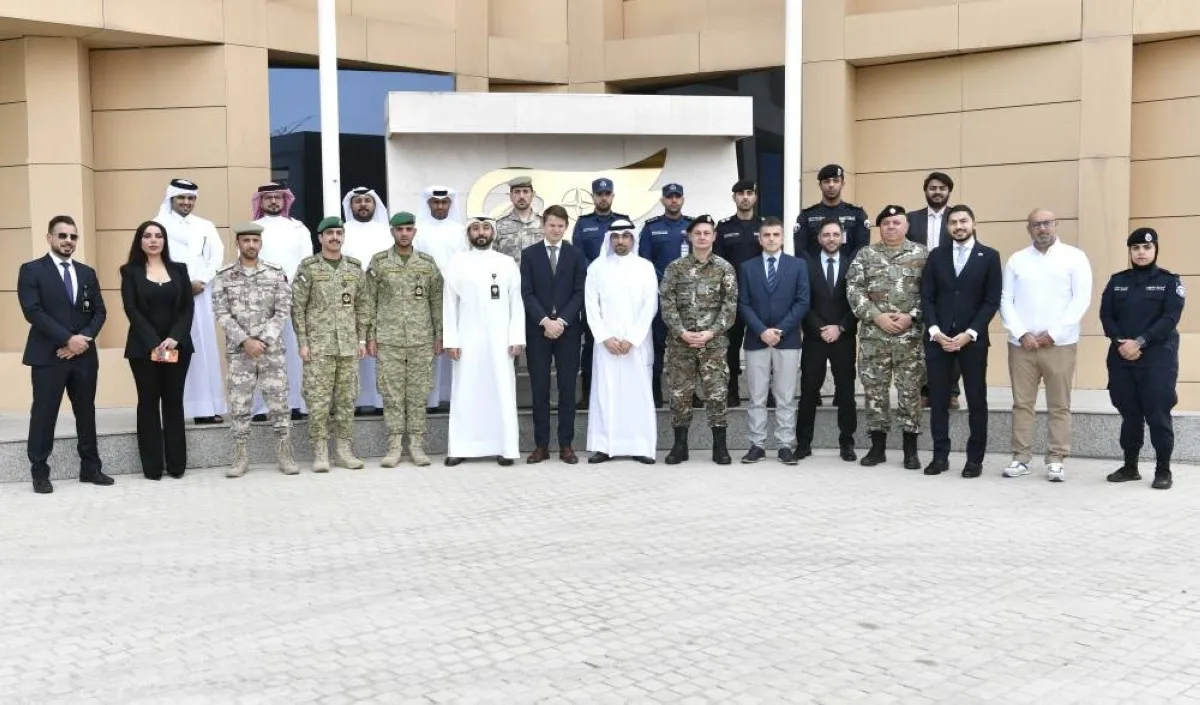
During the meeting with Trump, officials from Arab countries including Saudi Arabia, the United Arab Emirates, and Qatar coordinated efforts to present a unified voice to the United States. These countries are strongly calling for an end to the conflicts that have harmed their trade and impeded their economic growth.
In this context, Arab officials emphasized that any military action and escalation of tensions would only lead to increased instability in the region. They are advocating for diplomacy and dialogue as a solution to the existing crises.
Economic and social consequences
The ongoing tensions have had profound impacts on the economies of Gulf countries, particularly in terms of trade and investment. Many companies are refraining from investing in these countries due to uncertainty regarding the security situation in the region. This has also led to a decrease in revenues from oil and gas, increasing economic pressures on governments.
Moreover, social and security concerns have also risen following the escalation of tensions. People in these countries are worried about the consequences of potential wars and conflicts that could lead to internal instability and increased social tensions.
Conclusion
Ultimately, by requesting Trump to refrain from escalating tensions with Iran, the Gulf countries have demonstrated that maintaining stability and security in the region is of high importance to them. These countries are seeking diplomatic solutions and international cooperation to address the existing challenges.
Read more: Sultanate of Oman and the provision of comprehensive media services · Islamic Consultative Assembly: Use of the title Gulf in maritime treaties has become mandatory