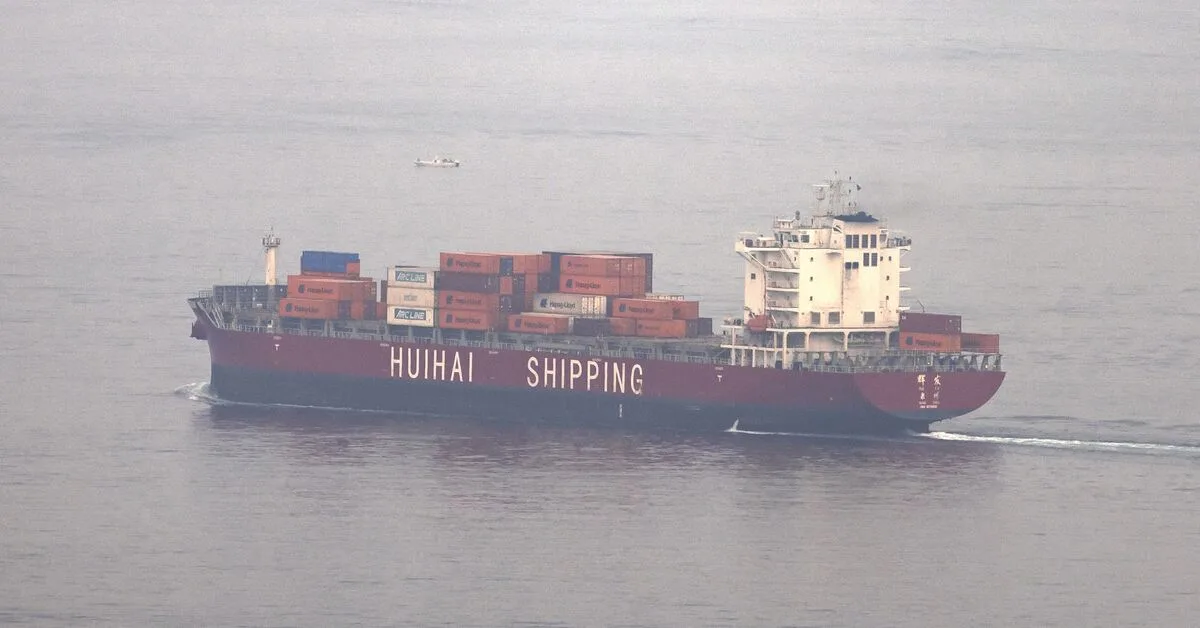
Oil exports from the Gulf have surpassed pre-war levels, despite increased Iranian attacks on ships in the Strait of Hormuz. The use of a temporary transportation system supported by the United States Navy, as well as increased use of alternative routes, has allowed for the continuation of oil flow even in these critical conditions.
Oil Flows and Export Statistics
According to preliminary data, the volume of oil exports from the Strait of Hormuz and alternative routes last week averaged over 24 million barrels per day, exceeding the pre-war level of 23.3 million barrels. This increase reflects the ability of oil producers and transporters in the Middle East to continue their activities, even as tensions have escalated.
Read more: Kuwait Introduces New Measures for Marriage Registration and Personal Documents
Alternative Routes and Their Impact on Exports
Pipelines that bypass the Strait of Hormuz have significantly contributed to the rebound in oil exports. Estimates indicate that about 40 percent of non-Iranian crude oil exported from the Gulf last month was transported via alternative routes, compared to only 17 percent before the war. Additionally, oil flow from the Strait of Hormuz, including ship-to-ship transfers in the Sea of Oman, averaged around 14 million barrels per day, equivalent to 82 percent of the pre-war level.
These developments demonstrate how oil producers and transporters in the Middle East have managed to find ways to maintain oil flow, despite disruptions that have persisted since the onset of the war in Iran, particularly since February 28. However, the increase in export volume does not eliminate potential threats to supply disruptions or the rebuilding of depleted inventories, and prices remain high.
Read more: Kuwait: Warm Weather Forecast with Possible Light Rain on Tuesday · Two Men Arrested in Britain on Charges of Collaborating with Iranian Intelligence in RAF Fairford Incident