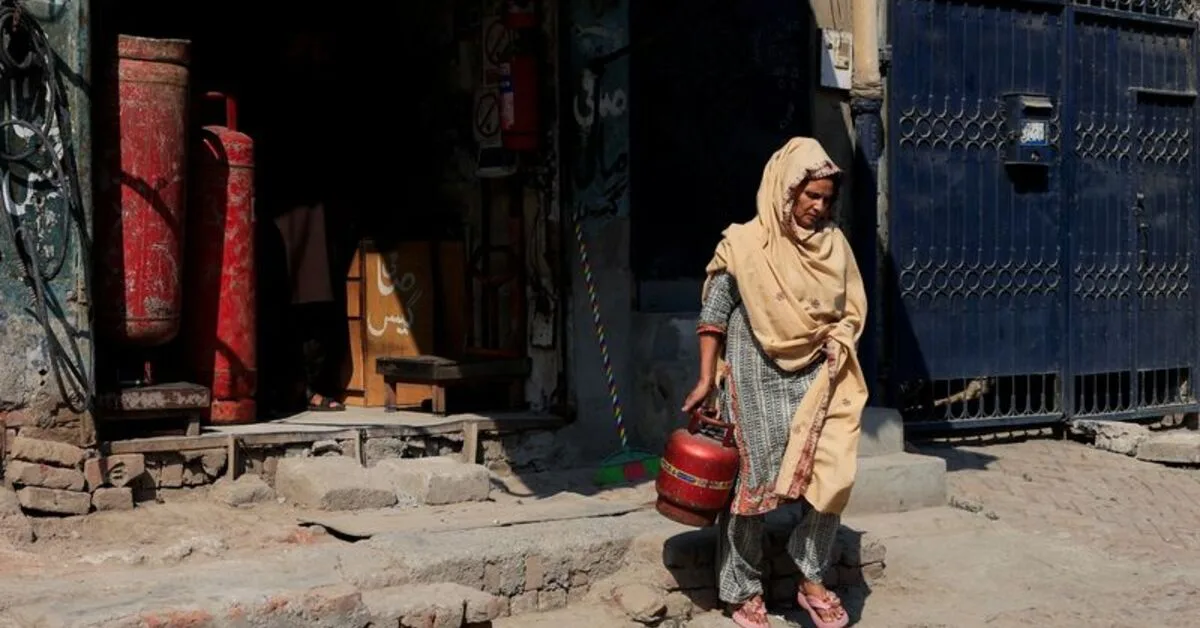
Rashid Ali, a 33-year-old motorcycle rickshaw driver in Lahore, has been forced to reduce his family's meals due to the sharp increase in liquefied petroleum gas (LPG) prices. Ali, who has been in this job for 13 years, now earns only $3 a day, which is significantly less than his previous income.
Economic Situation of Motorcycle Rickshaw Drivers
Motorcycle rickshaw drivers in Pakistan, especially in Lahore, rely on LPG, which is known as the "fuel of the poor." Majid Ghori, president of the Motorcycle Rickshaw Drivers Union, has stated that about 70% of the 43,000 motorcycle rickshaws and nearly 8,000 king-keys (three-wheeled motor vehicles) in this union operate on LPG.
Read more: Kuwait: Public Service Commission Nominates 882 Kuwaitis for Government Jobs
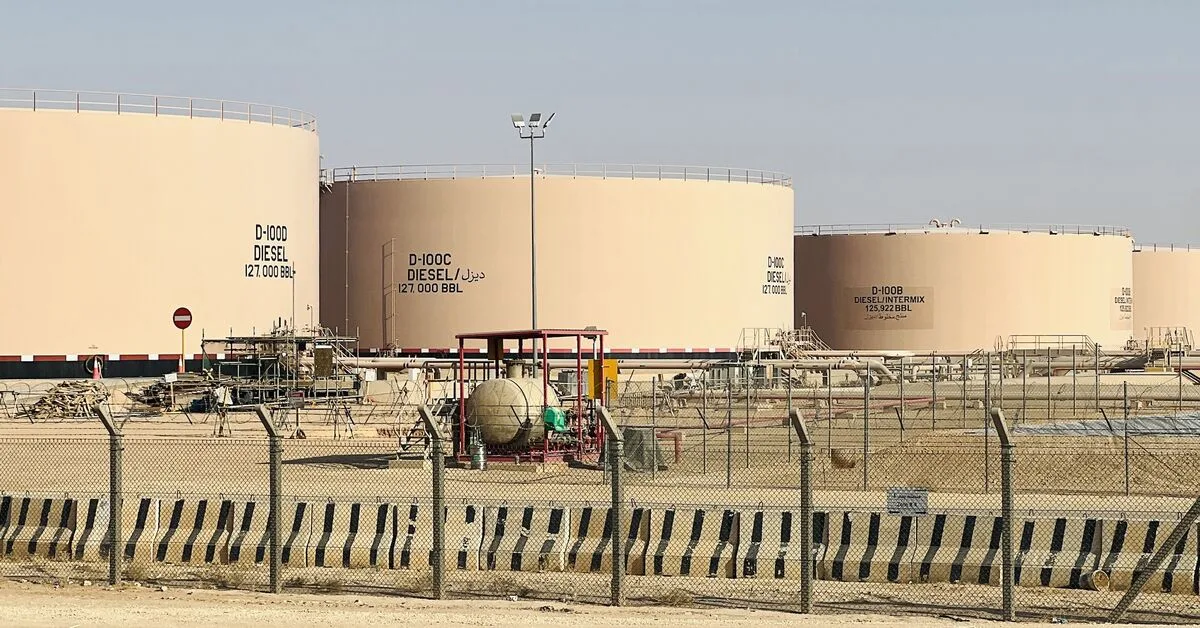
Since October 17, the import of LPG to Pakistan has been halted due to the closure of two border crossings with Iran, leading to a price increase. The price of a 12-kilogram LPG cylinder in the open market has risen to 7,000 rupees, and the price per kilogram has reached 583 rupees.
Social and Economic Consequences
Ali speaks about his situation: "When LPG was cheap, we could earn a decent income. Now, we can't live on 700 or 800 rupees." He also mentions the difficulties he faces when collecting fares from passengers. Many passengers refuse to pay higher fares, which has severely impacted his income.
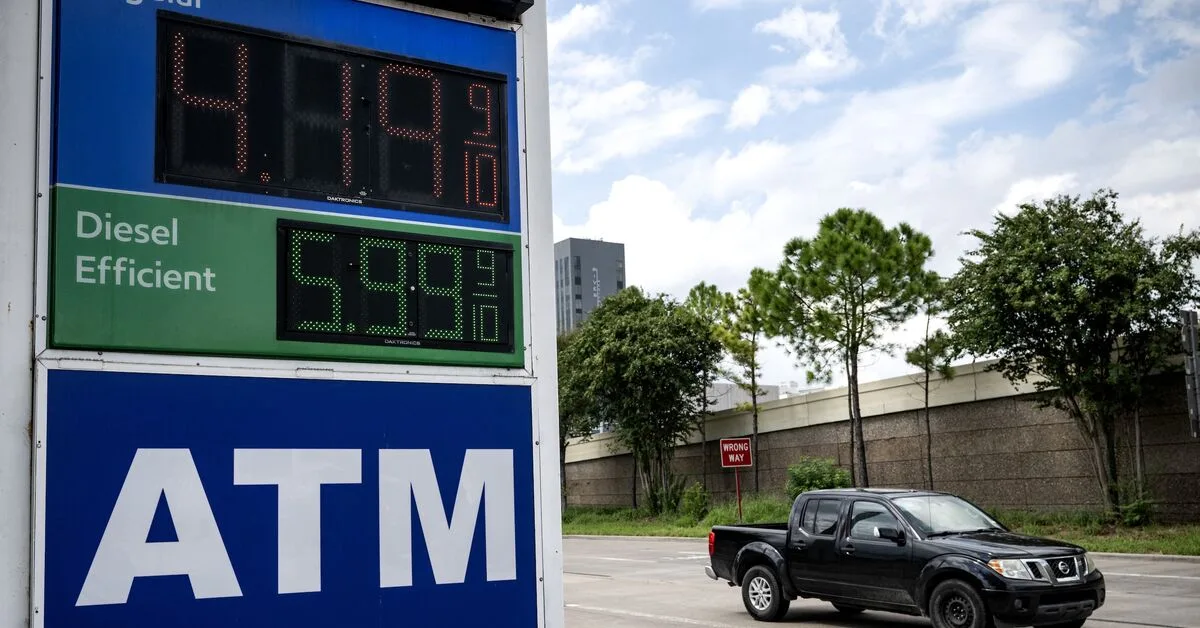
Currently, the inflation rate in Pakistan has reached 9.6%, and the country's central bank has raised interest rates to 12%. The price of gasoline has also hit a record 458 rupees per liter, about 40% higher than pre-war prices.
Ali pays 600 rupees daily to rent his motorcycle rickshaw and spends an average of 300 to 400 rupees on fuel four to five times a day. He also pays 11,000 rupees a month for his house rent and has two small children who need financial support.
Given these difficult circumstances, Ali hopes to provide enough food for his family and continue his work.
Read more: Lufthansa Predicts Fuel Costs Will Rise to 2 Billion Euros by 2026 · Asian Markets Weaken Amid Concerns Related to Artificial Intelligence and Falling Oil Prices