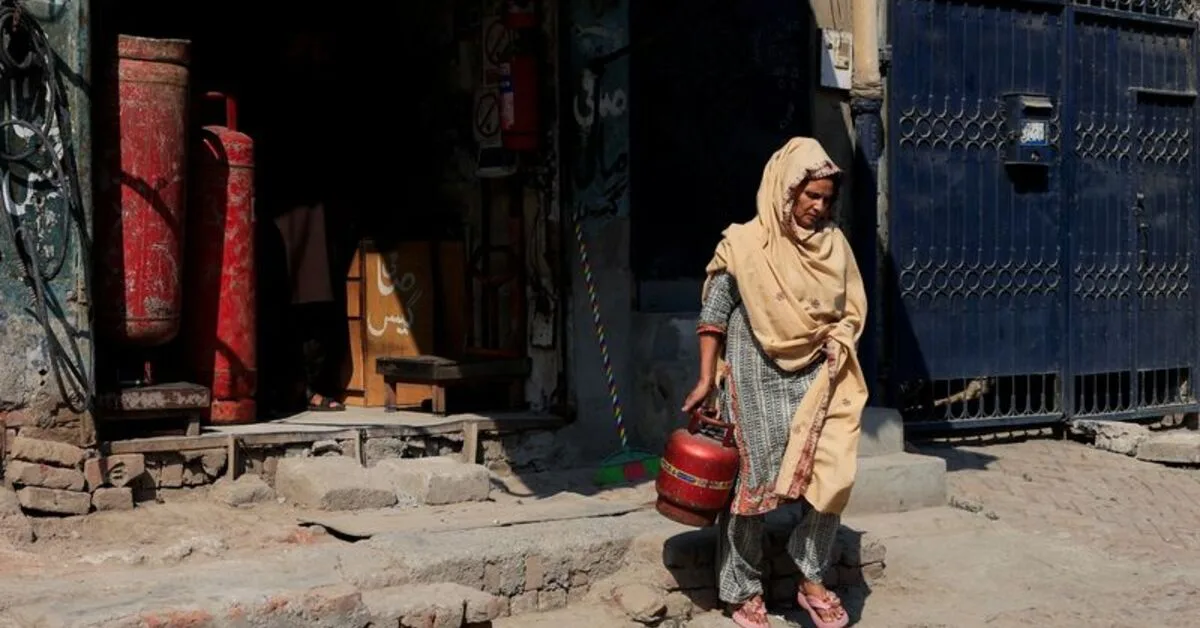
The upcoming United States midterm elections have garnered significant attention. American voters are facing multiple challenges in this election, including the cost of living, rule of law, cultural wars, and tensions related to Iran. These factors will particularly impact the economies of Middle Eastern countries, and governments in the region will closely monitor developments.
Immediate Concerns Regarding Iran
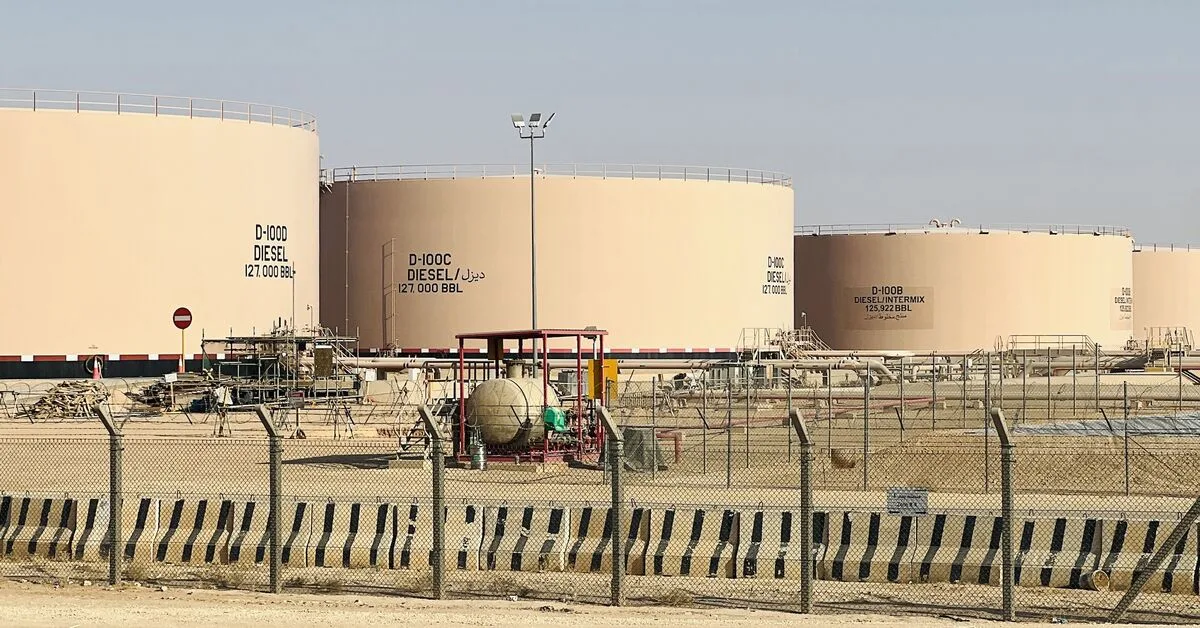
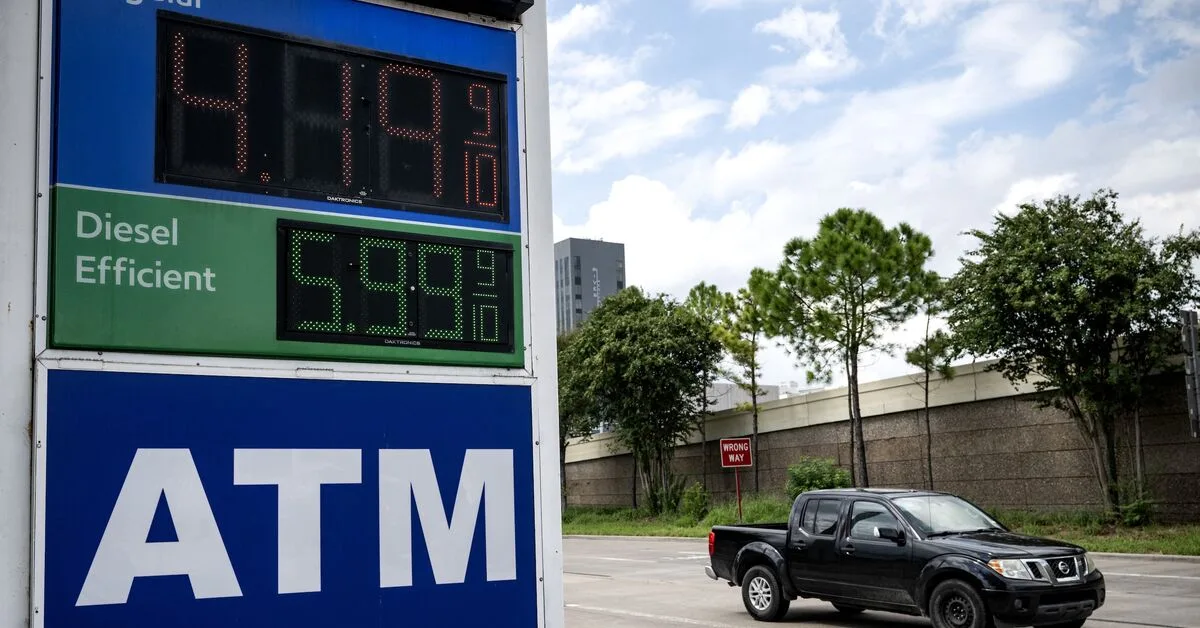
The main concern is whether the United States and Israel will continue their attacks against Iran. This issue could lead to a new cycle of violence and military tensions that put Gulf countries at risk. With gas prices remaining high due to tensions, these developments could have profound economic impacts on the countries in the region.
Read more: Development of Strategic Cooperation Between Oman and China in Wind Energy Production
Election Consequences for Economic Policies
The United States midterm elections may affect Washington's commitment to maintaining security in the Strait of Hormuz as well as reviewing trade agreements in the region. If the Democratic Party can gain more power against the Republican Party, U.S. policies towards the Middle East may change. These changes could lead to a kind of reassessment of U.S. economic and military approaches towards Middle Eastern countries.
Overall, the results of this election will not only impact the political situation in the United States but could also alter the economic and political equations in the Middle East. Given that Middle Eastern countries are heavily dependent on oil prices and regional security, these elections could present an opportunity for a serious reevaluation of the economic policies of these countries.
Read more: The United Arab Emirates Begins Collaboration with French Company Mantle8 for Natural Hydrogen Exploration · The Impact of War on Sporting Events in the Gulf