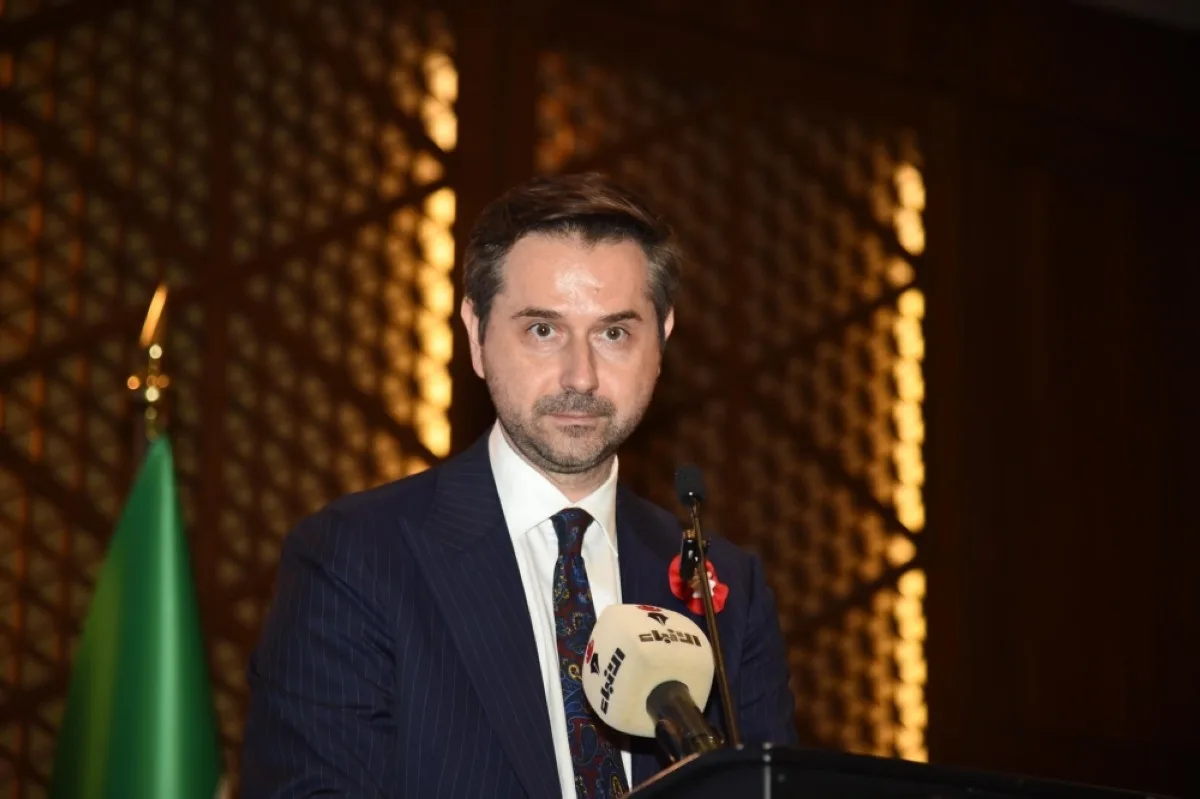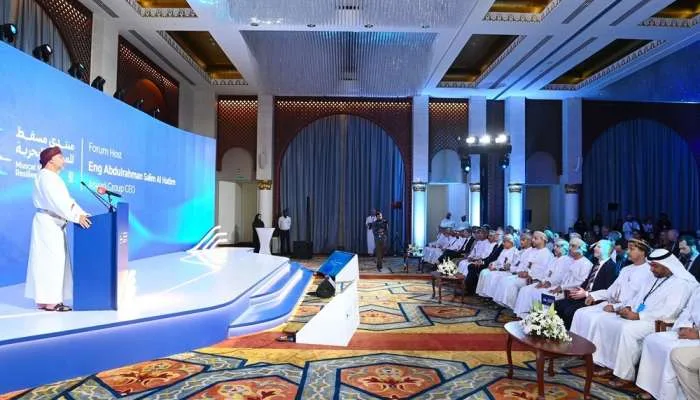
The "Maritime Resilience Conference Muscat 2026" began today in Muscat to address the challenges facing the maritime sector and practical experiences, as well as to explore opportunities for collaboration among various components of the maritime and logistics system.
Strengthening Resilience and Preparedness of Maritime Networks
This conference contributes to the development of practical solutions to enhance resilience and preparedness of maritime networks while supporting the continuity of supply chains and global trade amidst rapid changes.
The opening of the conference was held under the patronage of Engineer Said Hamoud Al-Maawali, Minister of Transport, Communications, and Information Technology. This conference was organized by Asiad Group in collaboration with the Ministry of Foreign Affairs, the Ministry of Transport, Communications, and Information Technology, and the Oman Investment Authority, with the participation of several leaders and experts.
Oman's Role in Maritime Transport
Engineer Khamis Mohammed Al-Shamkhi, Deputy Minister of Transport, Communications, and Information Technology in the field of transport, explained that this conference helps to strengthen Oman's role in maritime transport and maritime services. He emphasized the importance of gathering decision-makers and stakeholders in maritime transport, stating that Oman, being located alongside important maritime corridors, has a unique appeal for such conferences.
Sheikh Hamid Ali Al-Ma'ani, Head of the Diplomatic Academy of the Ministry of Foreign Affairs, also emphasized that this conference represents a qualitative shift for Oman's diplomacy to act as a catalyst for international trade, cooperation, and the creation of partnerships that benefit Oman's economy and the region.
He added that economic diplomacy acts as a catalyst for building private partnerships and stressed the need to utilize current risk management to create opportunities. Meanwhile, Muscat should be positioned as a host for such maritime gatherings, as Oman is a key strategic partner in the region for maritime trade and supply chains.
On the other hand, Engineer Abdulrahman Salim Al-Hatami, CEO of Asiad Group, stated that maritime networks play a central role in the continuity of global trade, with over 80% of global goods trade by volume being transported by sea.
He added that recent developments in maritime trade and related challenges impact transport movement and supply chains, emphasizing the importance of proactive preparedness through sustainable investment in infrastructure.
Development of Muscat's Maritime Resilience Framework
The conference includes several working sessions to discuss the challenges facing the maritime sector, practical experiences regarding practical and commercial perspectives, and identifying practical priorities to enhance the preparedness and continuity of maritime networks. These discussions will contribute to the development of the Muscat Maritime Resilience Framework, which Asiad Group aims to establish as the first integrated global framework.
This conference continues Oman's approach to expanding economic diplomacy and international relations based on trust, dialogue, and cooperation. This governance approach integrates with Oman's strategic position overlooking maritime trade corridors, connecting its integrated infrastructure and logistics services to regional and international markets.
Read more: Unprecedented Increase in Attacks on Ships in the Strait of Hormuz in October · IMF Mission in Oman for Article IV Consultations Begins