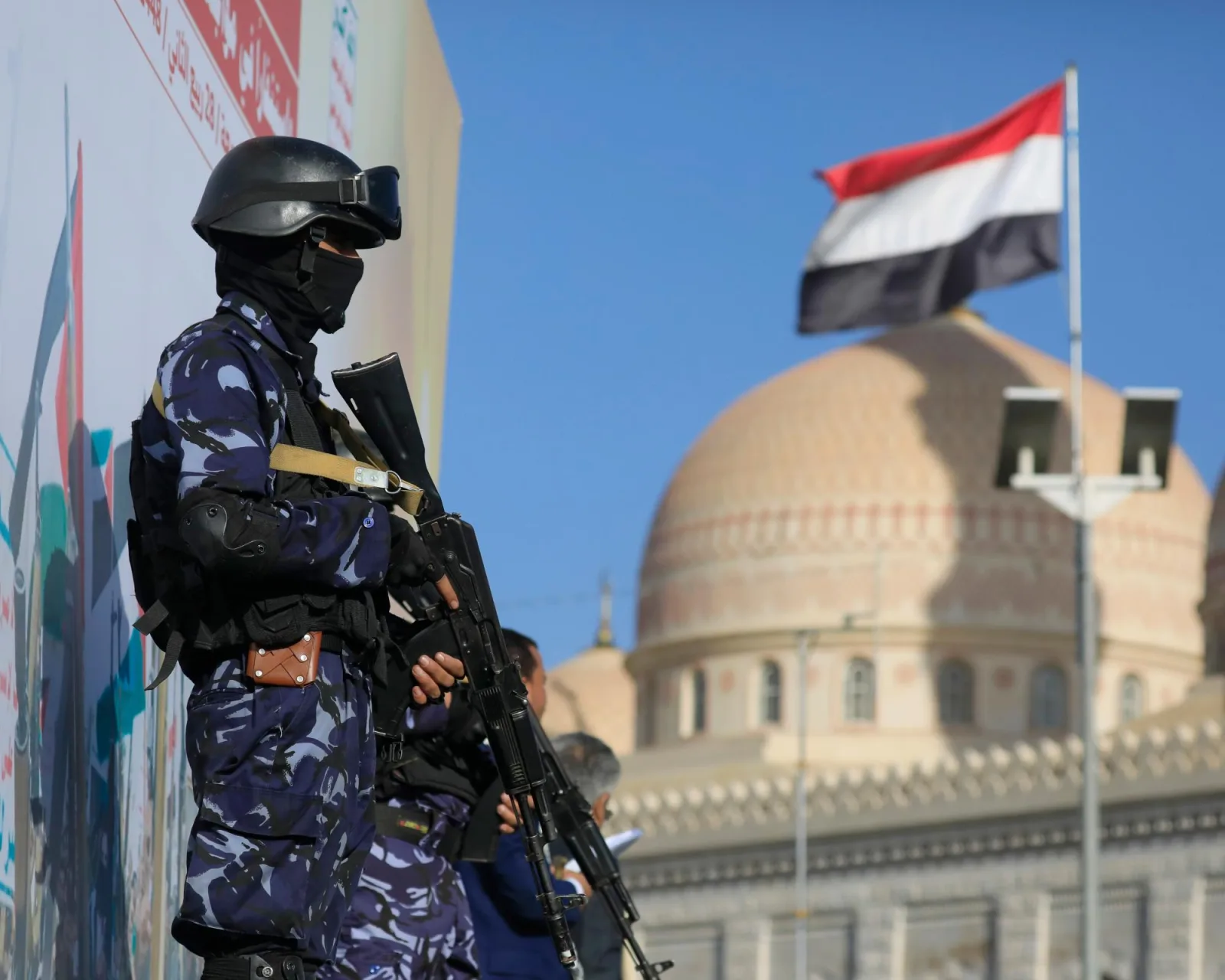
The Houthis carried out a deadly attack on the capital of Saudi Arabia, Riyadh, on Saturday, resulting in at least 13 deaths and 300 injuries. This attack, recognized as the deadliest assault by a Gulf country since the onset of the U.S. and Israeli war against Iran in February, is a sign of escalating crisis in the region.
A New Era of Instability in the Persian Gulf
Over the past year, the Persian Gulf has entered a new era of instability that seems irreversible. Although the casualty numbers are relatively low compared to other areas such as Gaza and Iran, the gradual erosion of peace and security in Saudi Arabia, Qatar, and the United Arab Emirates has brought about profound changes in the region.
Read more: Arrest of 62 Shia Scholars in Bahrain and the UAE
The recent Houthi attacks, based on existing tensions in the region and the ongoing war against Iran, are seen as a sign of the decline of norms and expectations in inter-state relations. Last year, Iran exacerbated these tensions by firing missiles at an airbase in Qatar that hosted U.S. forces. This attack served as a wake-up call for Qatar, which was trying to maintain good relations with Iran, but it also led to a significant shift in the rules of engagement in the Persian Gulf.
Consequences of the War in Yemen and Strategic Developments
The war in Yemen, which began in 2014 and has intensified due to Iranian support for the Houthis, has entered a new phase with the recent attacks on Saudi Arabia and other Gulf countries. This war has resulted in a humanitarian catastrophe and the deaths of hundreds of thousands. However, in 2022, an unofficial ceasefire was established, creating a glimmer of hope for improved relations between Saudi Arabia and Iran.
But with the onset of the 2026 war against Iran, new strategic opportunities emerged for the Houthis, accelerating their advances in Yemen. The closure of the Strait of Hormuz changed trade traffic along the coasts of Yemen, allowing the Houthis to expand their influence by seizing land and controlling the Bab el-Mandeb Strait in the Red Sea.
The Houthi attacks on Saudi Arabia are not merely interpreted as retaliatory actions against Saudi attacks on Yemen. The Houthis have internal objectives and regional rivalries and seek to dominate more territories. A senior Houthi official stated that this attack aims to demonstrate the reality that Yemen's civilian infrastructure is targeted by Saudi attacks and that the lives of Yemeni people are worthless to the Saudis.
Ultimately, recent developments in the region, especially Hamas's attacks on Israel and their repercussions in Gaza and Lebanon, have added to regional instability. This situation reflects the limitations that particularly America's allies in the Persian Gulf face against new threats.
Read more: The U.S. government will not act against Iran before the midterm elections · Houthi Attack on Riyadh Airport and Injuries to Dozens