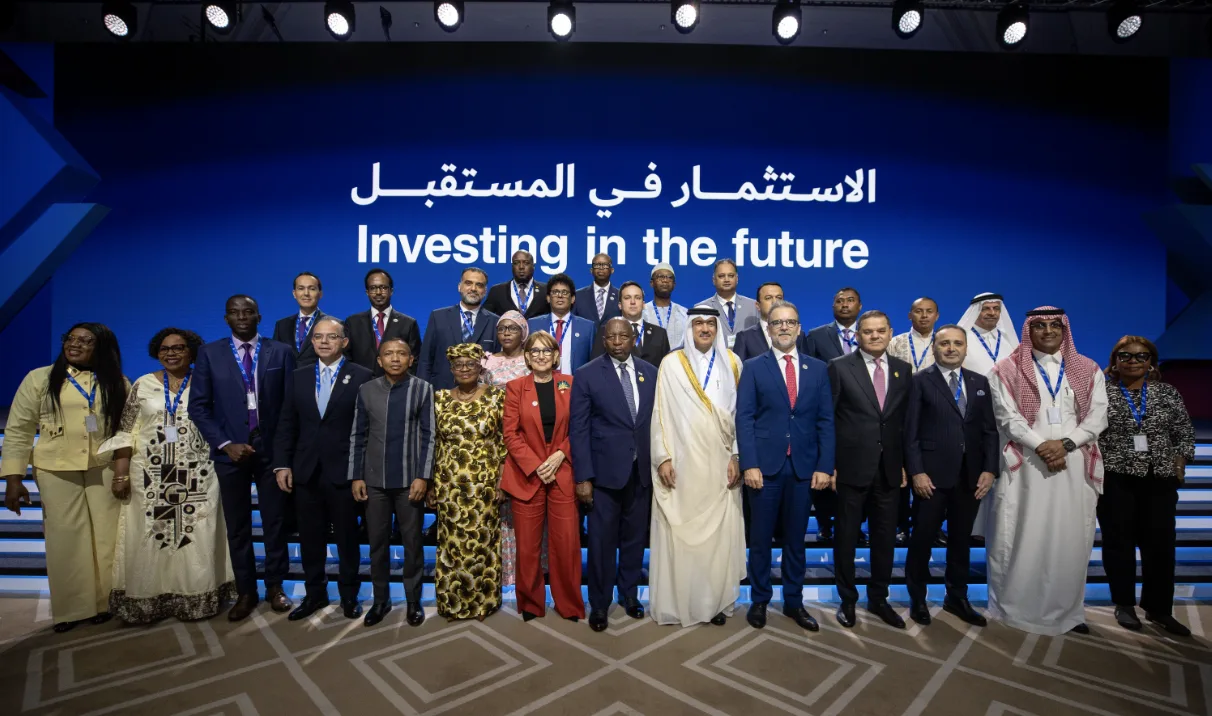
IMF member countries held a meeting in Bangkok, emphasizing the necessity of increasing support for countries facing short-term financing challenges. This support seems particularly essential in light of the negative impacts arising from wars and rising energy prices. In a statement issued by Mohammed Al-Jadaan, the Saudi Minister of Finance and Chair of the International Monetary and Financial Committee, it was stated that economic risks remain tilted to the downside.
Challenges Arising from Trade Tensions and Wars
The statement noted that escalating conflicts and trade tensions could disrupt vital trade routes and increase price pressures on goods, especially regarding refined energies. This situation could harm food and energy security in various countries. Mohammed Al-Jadaan stated in this regard: "The developments in advanced artificial intelligence technologies could help increase investment and trade, but at the same time, they also carry risks."
Read more: IMF: Long-term War is the Biggest Risk for the Middle East Economy
Emphasis on Support for Vulnerable Countries
IMF member countries also agreed to support countries that are undertaking economic reforms and addressing debt vulnerabilities. Special attention has been directed towards low-income countries and developing nations in war-affected regions. The statement specified: "We support increasing assistance to countries with sustainable debt and strong reform programs, but facing short-term financing challenges."
The statement also referred to rising interest rates in major economies, emphasizing that this could lead to increased macro-financial vulnerabilities in high-debt countries. In this context, IMF member countries agreed to enhance their financial support from the Poverty Reduction and Growth Fund that assists countries.
Read more: AXIS 2026 Conference to be Held in Oman Focused on Investment in the Digital Economy · Oman and Pakistan Emphasized Strengthening Cooperation in Food Security