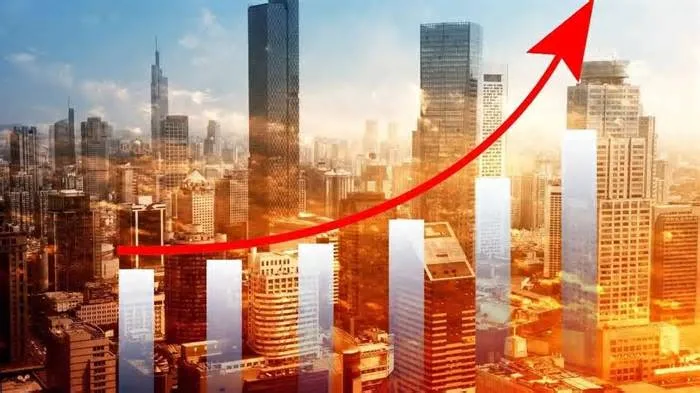
The International Monetary Fund (IMF) has predicted that India's economy will experience a growth of 7% in the fiscal years 27 and 28. This prediction comes as the fund warns about the increasing vulnerability of the global economy due to rising energy and food prices, as well as geopolitical uncertainties.
India's Economic Growth and Influencing Factors
In its report titled World Economic Outlook, the IMF has forecasted global growth at 3.1% in 2026 and 3.4% in 2027. The institution attributes India's growth to strong domestic demand and stable service activities.
Read more: Development of the aviation industry in Oman with an investment of 25.4 million Omani rials
India remains one of the fastest-growing major economies, and this positive forecast is due to stronger-than-expected acceleration in economic activities and domestic demand. However, the fund has emphasized that the global outlook is unstable, and the impact of energy shocks will vary depending on the vulnerability of different countries.
Global Challenges and Their Impact on the Economy
The IMF has noted that the global economy has been able to respond to repeated shocks due to flexible energy resource supply, increased production in other countries, and the shift to alternative energy sources. Additionally, investments related to artificial intelligence have supported economic activities and international trade.
However, the fund has warned that these supportive resources may not be sufficient if disruptions continue. Decreased energy inventories, further geopolitical shocks, and ongoing uncertainty could affect confidence and economic activities. According to the institution, "risks tend to lean towards the downside," and if the deadlock continues or tensions in the Middle East escalate, energy and food prices may remain high, reviving inflationary pressures.
The report also predicts that the growth of global trade volume will decline in 2026 and stabilize in 2027. This is due to the impact of tariffs, adjustments in production chains, and continued strength in technology-related trade.
Ultimately, the International Monetary Fund emphasizes the need to rebuild policy reserves and strengthen the capacity of various countries to withstand future shocks. This comes as high borrowing costs and elevated public debt limit the room for government responses.
Read more: Trends in Oman's refinery product production by the end of August 2026 · New IMF forecast on global economic growth in 2026