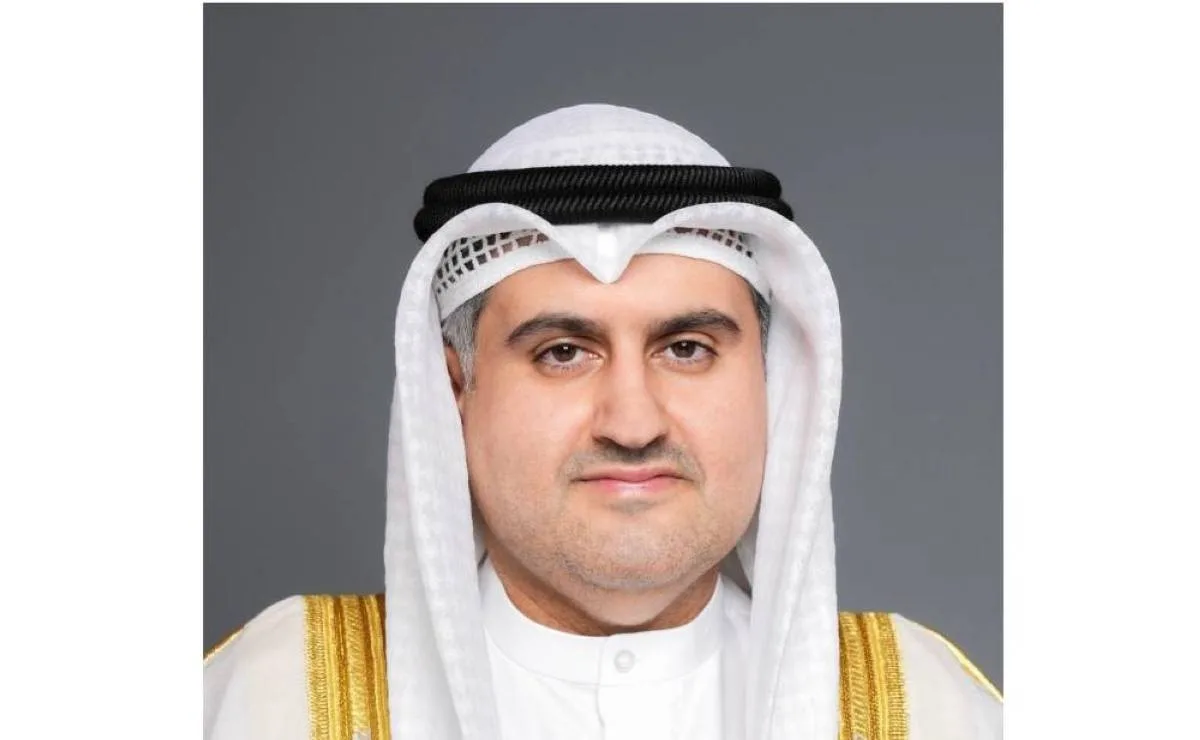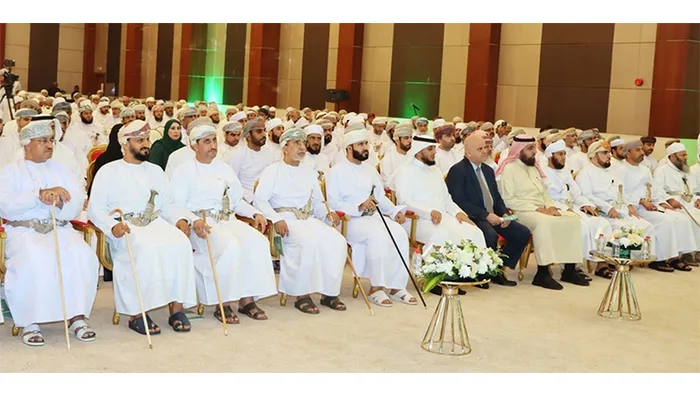
The fourth Zakat Conference and Exhibition, hosted by the Ministry of Awqaf and Religious Affairs of Oman, began on Sunday in the Wilayat of Suhar, North Al Batinah Governorate. This conference is supported by Nasser Khamis Al-Jashmi, Chairman of the Tax Authority, and attended by Dr. Mohammed Said Al-Maamari, Minister of Awqaf and Religious Affairs, along with a group of officials, specialists, and researchers in the field of Zakat.
Emphasis on Sustainability and Governance of Zakat
This three-day conference, themed "Zakat from Governance to Sustainability: Integration for Impact and Trust Building," hosts over 600 participants including members of Zakat committees, researchers, and specialists in Zakat affairs from nine Gulf, Arab, and international countries, along with a group of experts and specialists in Sharia, economic, financial, administrative, and technical fields related to the Zakat sector.
The first day of the conference featured a main panel titled "Zakat and Sustainable Development: A Unified Governmental Perspective," which discussed the various roles of sectors in enhancing the developmental impact of Zakat and creating an integrated system that transforms Zakat work into an effective tool for achieving social and economic development.
Introduction of the Zakat Institutions Readiness Index
This conference also witnessed the unveiling of the "Zakat Institutions Readiness Index" in Oman, aimed at supporting the developmental processes of institutions and measuring their levels of readiness and efficiency, which in turn enhances performance levels and improves governance-based practices, mastery, and sustainability.
The first day also included the signing of a cooperation document between the Ministry of Awqaf and Religious Affairs and the Small Business Development Organization, aimed at supporting and empowering small business projects for eligible Zakat families. This initiative is intended to help sustain these projects and transition beneficiaries from direct support to economic and productive empowerment.
The scientific program of the conference includes 11 main sessions and panels that address several Sharia, legal, developmental, economic, administrative, and technical topics related to the development of the Zakat system and increasing its efficiency and sustainability.
This conference provides a suitable opportunity for exchanging experiences and opinions in the field of Zakat and improving the performance of Zakat institutions, and it can act as a catalyst for progress in this area at the international level.