The increase in fuel prices in the United States has been heavily influenced by Ukraine's attacks on Russian energy facilities and the ongoing war in the Middle East. This rise in prices has become one of the main political challenges for the U.S. government ahead of the midterm elections.
Impact of Ukraine Attacks on Fuel Prices
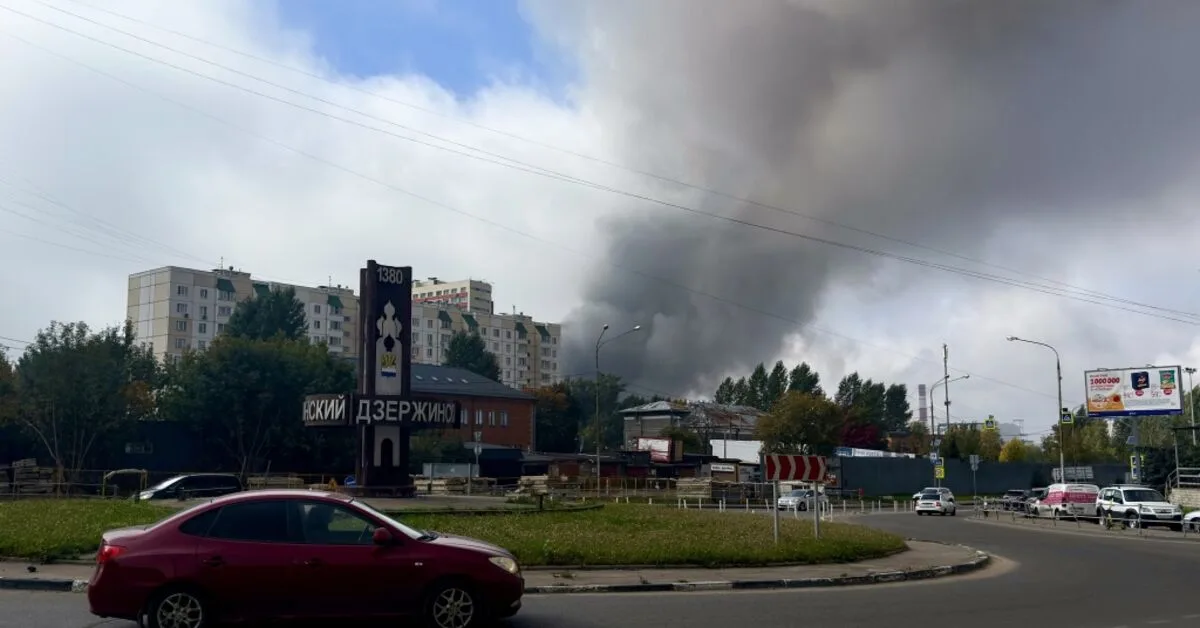
Ukraine's attacks on Russian energy facilities have intensified over the past 18 months, aiming to reduce Kremlin revenues and weaken its ability to finance the war. Reports indicate that on average, a Russian refinery has been targeted every three days in these attacks. Experts believe these attacks are responsible for about one-third of the global diesel shortage, which is currently estimated to be between 1.7 to 1.8 million barrels per day.
Read more: Qatar Signs Agreement to Purchase Liquefied Natural Gas from the United States Until 2054
In this context, diesel prices in the United States reached a record $6.53 per gallon at the end of September, up from $3.75 per gallon before the war began. This price increase has not only affected people's daily expenses but has also exacerbated inflation in the economy.
Middle East War and Its Consequences
Recent conflicts in the Middle East have also contributed to the energy crisis. Energy exports from the Gulf have decreased due to U.S. and Israeli attacks on Iran, and Tehran has pressured the Strait of Hormuz in response to these attacks. This situation has led to increased shipping costs and reduced refining capacity in the Middle East, which in turn has put more pressure on oil prices.
The U.S. government under Donald Trump has repeatedly reacted to these Ukraine attacks, claiming that Volodymyr Zelensky, the President of Ukraine, has ignored his orders to stop these attacks. On the other hand, Trump has remained silent regarding the escalation of Russian attacks on Ukrainian territory, which has resulted in increased civilian casualties.
Given these circumstances, economic experts believe that no immediate action can help reduce diesel prices in the short term. Even if the conflicts in Ukraine come to an end or an energy ceasefire is established, its impact on the U.S. midterm elections will not be very noticeable.
Moreover, the reconstruction of damaged infrastructure is time-consuming, and the continuation of conflicts in the Middle East will lead to further increases in energy prices.
Read more: Qatar and Singapore Strengthen Their Energy Cooperation · Sergey Lavrov, the Russian Foreign Minister, Visited Bahrain