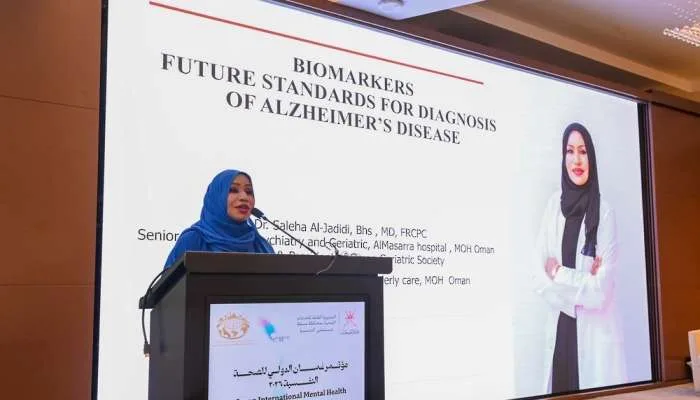
The International Mental Health Conference Oman 2026 began today in Muscat, featuring a group of specialists and experts in the fields of psychiatry, mental health, child and adolescent psychiatry, forensic psychiatry, clinical pharmacology, innovation, and research.
Supported by the Ministry of Health of Oman
This event is held under the patronage of Dr. Said Harib Al-Lamki, the Deputy Minister of Health for Health Affairs. The goal of the conference is to strengthen the exchange of experiences and specialized knowledge in the field of mental health, emphasize the latest trends and scientific methods, and provide a space for professional discussions about the challenges and opportunities related to the development of mental health services.
Emphasis on the Importance of Listening to Real Experiences
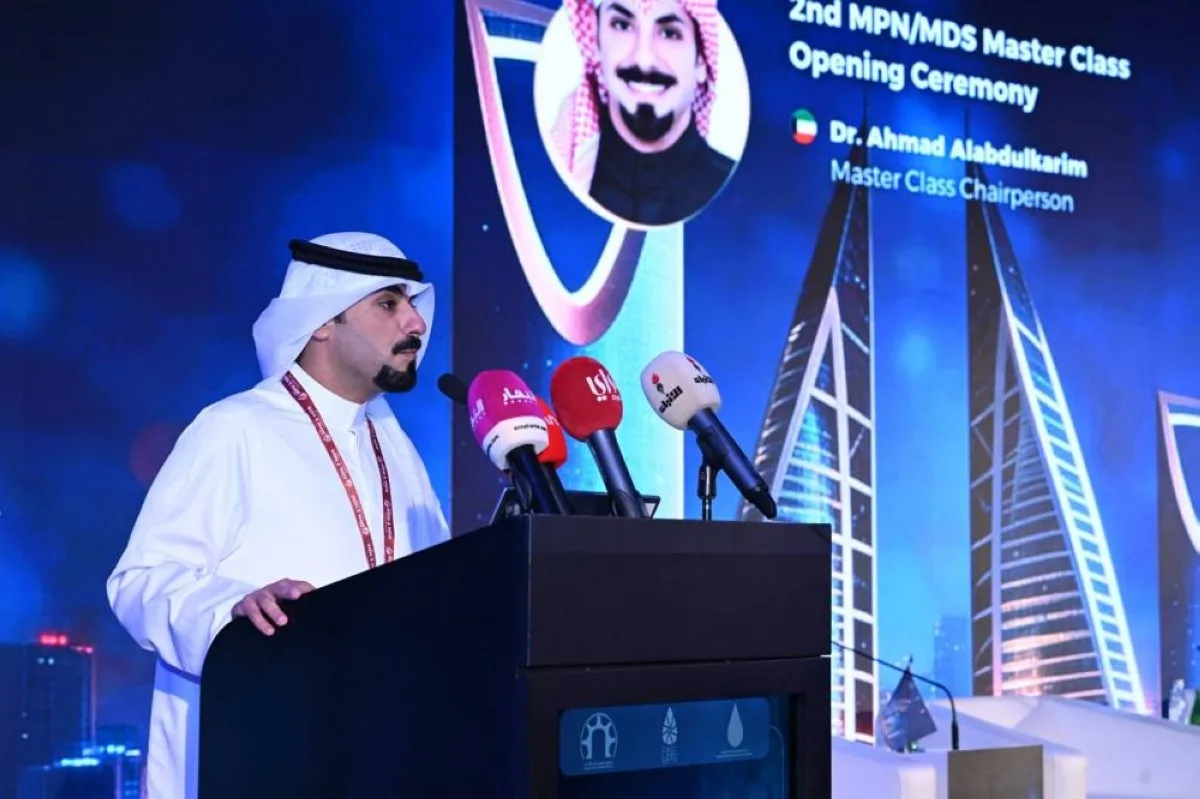
Dr. Badr Ali Al-Haibi, Director of Al-Masirah Hospital, stated in his speech at the opening ceremony of the conference that this event serves as a platform for integrating science, experience, and human dialogue. He emphasized the importance of listening to patients' experiences and understanding and respecting their needs, stating that this interaction should be considered as a true partner in the recovery journey.
Dr. Al-Haibi also noted that the theme of the conference, "Listening to Real Experiences: Real Voices, Real Change," is not just a title but represents an approach to providing mental health services. He emphasized that listening is the beginning of understanding, and understanding is the beginning of change.
This conference aligns with the goals of Oman Vision 2040 in building a leading healthcare system based on global standards, developing national competencies, strengthening scientific research and innovation, and utilizing technology and artificial intelligence in health services.
Development of an Integrated Mental Health Service System
The Director of Al-Masirah Hospital referred to the hospital's efforts to develop an integrated mental health service system, improve specialties, treatment and rehabilitation programs, and invest in the training and qualification of human resources. He also emphasized supporting scientific and research initiatives and expanding awareness programs in the community.
In his speech, Dr. Al-Haibi highlighted the importance of artificial intelligence and modern technologies in developing mental health services, stating that these technologies can be effective in diagnosis, treatment, prevention, and access to services. However, he emphasized that technology is a tool that enhances human work and does not replace human presence. Listening, empathy, trust, and human connection will remain at the core of mental health services.
He added that the aspiration of Al-Masirah Hospital goes beyond keeping pace with global developments in mental health; its goal is to actively collaborate in creating these developments using skilled human resources, solid research, evidence-based practices, and local and international partnerships.
Specialized Programs and Workshops
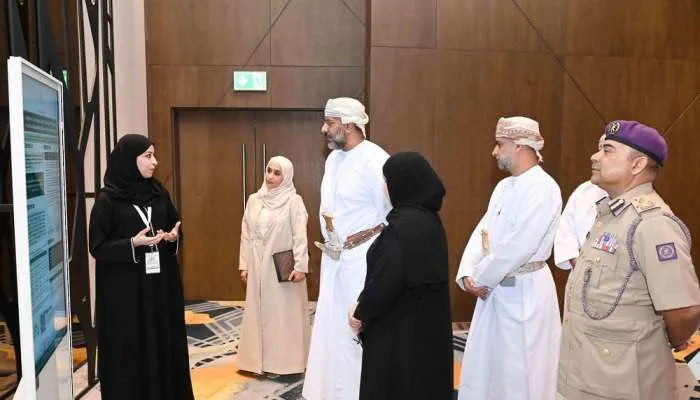
This conference included a specialized exhibition on artificial intelligence, innovation, and scientific research in mental health, emphasizing the importance of using modern technologies and supporting scientific research in the development of mental health services and practices.
The conference program included three main sessions addressing various topics, with specialists from Oman, the UK, Iraq, Qatar, and Canada participating. Topics discussed included biomarkers and future criteria for diagnosing Alzheimer's disease, the role of religious therapists in addressing mental health issues in Iraq, and the integration of artificial intelligence in addiction treatment.
The conference also included discussion panels that allowed participants to interact with speakers and share their experiences and perspectives on the presented topics.
With the holding of the International Mental Health Conference Oman 2026, the importance of continuous development of knowledge and professional practices in the field of mental health and strengthening scientific and professional partnerships is emphasized more than ever.