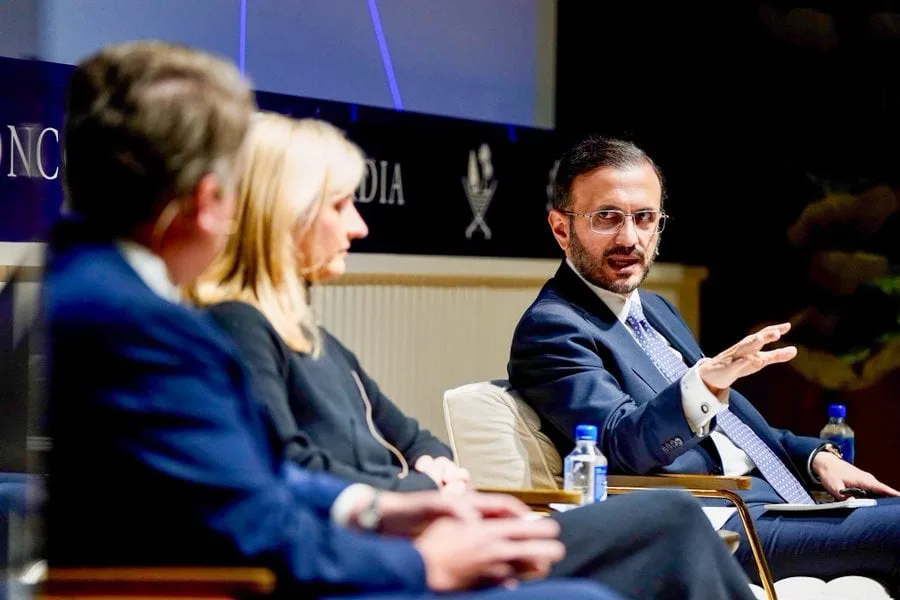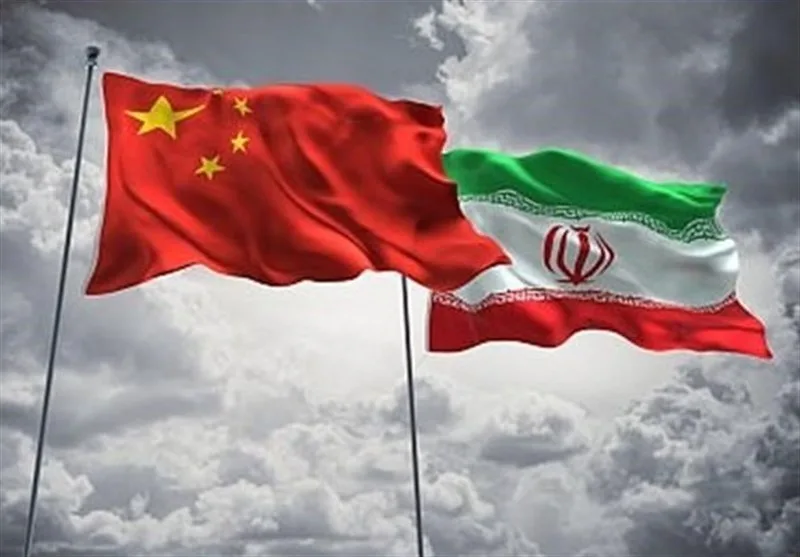
The thirty-fourth expert hearing session on the strategic requirements of Iran-China relations in the transitional order of the Persian Gulf was held as the third pre-session of the international conference "Half a Century of Diplomatic Relations between Iran and China." This session was attended by Babak Negahdari, the head of the Research Center of the Islamic Consultative Assembly, along with a number of experts and students interested in topics related to China.
Developments in Iran-China Relations
Babak Negahdari stated at this session: "In recent years, the offices of the Research Center of the Islamic Consultative Assembly have been examining the nature of the relationship with China and the experiences of this country." He referred to the responsibility of Dr. Qalibaf as the special representative for China, stating that the Research Center is working with greater cohesion and focus in this area.
Read more: U.S. President's Negotiations with Gulf Leaders Regarding Iran
The head of the Research Center further emphasized that China is gradually transforming from a purely economic and energy-oriented actor to a more multidimensional player in the global arena. This change has been particularly evident since Mr. Xi's presidency in 2012, when China became more actively involved in political-security arenas to protect its economic interests.
Need for Institutionalizing Relations
Negahdari also pointed to developments related to the Ramadan War and its impact on China's engagement in the Persian Gulf, stating that decision-making and policy-making institutions in the Islamic Republic of Iran are thinking more seriously about cooperation with China. He added: "Our colleagues in the foreign policy department also have a glance at the experiences of Arab countries in interacting with China."
He emphasized that Iran's neighboring countries in the Persian Gulf have been trying in recent years to shift their interactions with China from merely energy discussions to multidimensional cooperation in logistics, corridors, industrial production, ports, and technology. In this context, the Islamic Republic of Iran should also expand its relations with China in diverse and important areas.
Negahdari noted that the interaction between Iran and China should not be defined solely as political and short-term, and it is essential to establish sustainable institutions such as joint commissions, investment funds, and projects in the private sectors of both countries. He also announced the preparation of an operational roadmap for Iran-China relations, stating that this roadmap is currently in the possession of the Speaker of the Islamic Consultative Assembly.
Read more: Saudi Arabia and the Diplomatic Challenges Against Iran and the Houthis · The Cost of the Iran War Reached 38 Billion Dollars