Iran and the United States have engaged in negotiations aimed at exploring a phased agreement for reopening the Strait of Hormuz and lifting U.S. economic sanctions on Iran. These talks, occurring after prolonged tensions between the two countries, are seen as efforts to reduce tensions and improve Iran's economic conditions.
Challenges and Obstacles in the Negotiations
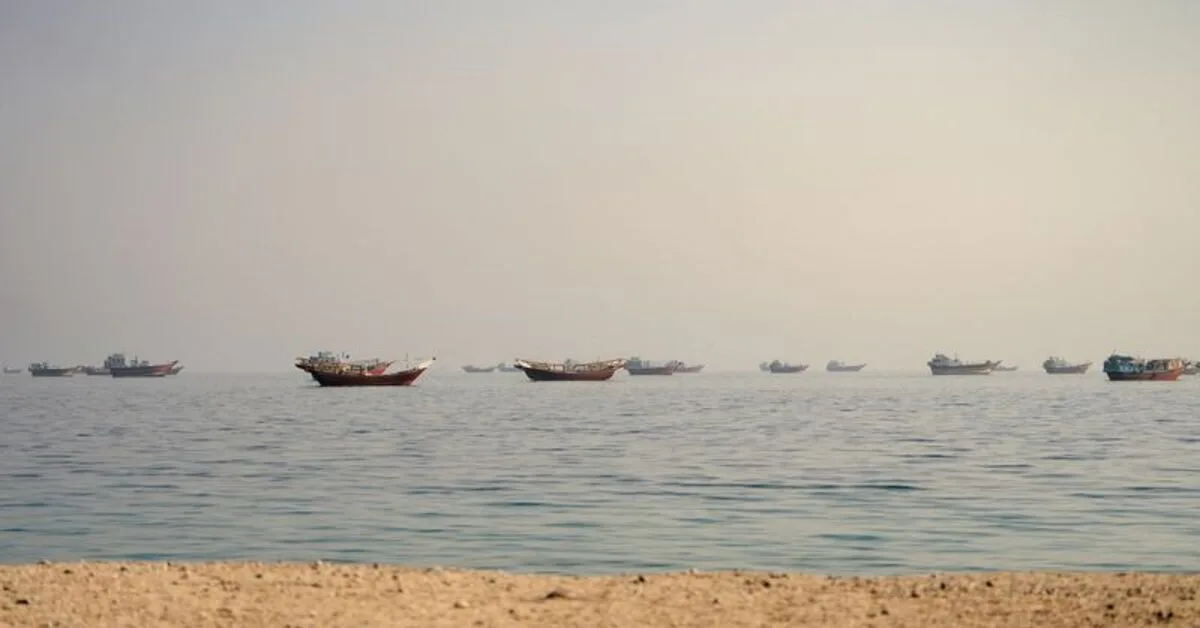
The Strait of Hormuz, as a strategic point in global oil trade, has become a central focus of the negotiations. Iran is seeking relief from economic sanctions that have severely pressured its economy, while the United States demands guarantees for the free passage of ships through this vital route. According to sources close to the negotiations, both sides are reluctant to lose their influential leverage, which could pose a serious obstacle to reaching an agreement.
Read more: Pakistani analyst: The Persian Gulf should be a Gulf of peace and energy security
A senior Iranian official believes that the only practical way to end this deadlock is to create a phased agreement. He has indicated that Iran may allow navigation through the Strait of Hormuz to resume in exchange for the United States lifting its economic sanctions and Iran gaining access to its frozen assets. He also noted that resolving the crisis in phases could be the best option.
Potential Consequences of an Agreement Before the Midterm Elections
An agreement reached before the U.S. midterm elections on November 3 could benefit President Donald Trump. The reopening of the Strait of Hormuz could help reduce tensions in the Persian Gulf, control oil prices, and improve sensitive gasoline prices in the United States. However, some analysts believe that the chances of reaching an agreement before these elections are only 30 percent, and both sides may have stronger motivations for an agreement before the elections.
The United States has added new sanctions to previous ones, increasing economic pressure on Iran, which has severely restricted the country's oil exports. These sanctions have particularly impacted Iran's commercial airlines and its support networks, as part of a comprehensive U.S. campaign to cut off the economic resources of the Iranian government and the Islamic Revolutionary Guard Corps.
A potential agreement must also address the concerns of the Gulf states, which are deeply worried about any Iranian control over the Strait of Hormuz. These countries emphasize the importance of maintaining freedom of navigation in this route and seek to prevent this strategic waterway from becoming a tool for exerting pressure against them.
Read more: Oman: Evacuation operation of 27 crew members from a commercial ship near Musandam · Suspension of Iranian flights to Gulf neighbors and missile strikes by Houthis by Saudi Arabia