Iran, emphasizing the importance of the Strait of Hormuz as a key route for global oil trade, has asked the United States to accept its proposal to reopen this strait. Abbas Araghchi, Iran's Foreign Minister, stated on the sidelines of his meeting with officials from the Organization of Islamic Cooperation in Baghdad that Iran's proposal remains valid and that reopening the Strait of Hormuz within the specified time frame is possible if there is sincerity from the U.S.
Iran's Proposal and Its Conditions
Iran presented this proposal in mid-September following the failure of a temporary ceasefire. Araghchi noted that Tehran acknowledges receiving a response from the United States, but negotiations have stalled due to Washington's failure to address all seven of Iran's conditions. The Iranian Foreign Minister emphasized: "Our position is clear and is based on the seven-day proposal presented to the United States. They have shared some comments that we are reviewing, but our proposal remains on the table."
Read more: The European Union and Gulf countries postponed the Saudi summit
Iran's Conditions for Reopening the Strait of Hormuz
Iran's conditions for reopening the Strait of Hormuz include lifting U.S. blockades on its ports, removing oil sanctions, and ending hostilities on all regional fronts. Araghchi pointed out that if Washington accepts Iran's conditions, reopening the Strait of Hormuz could occur within six days, and negotiations could resume the following day.
One of the main points of contention between the two countries is Washington's insistence on addressing Iran's nuclear program from the outset. U.S. Vice President Kamala Harris recently stated that Iran must make a significant reduction in its uranium enrichment capacity to respond to U.S. demands and end the eight-month war between the two countries.
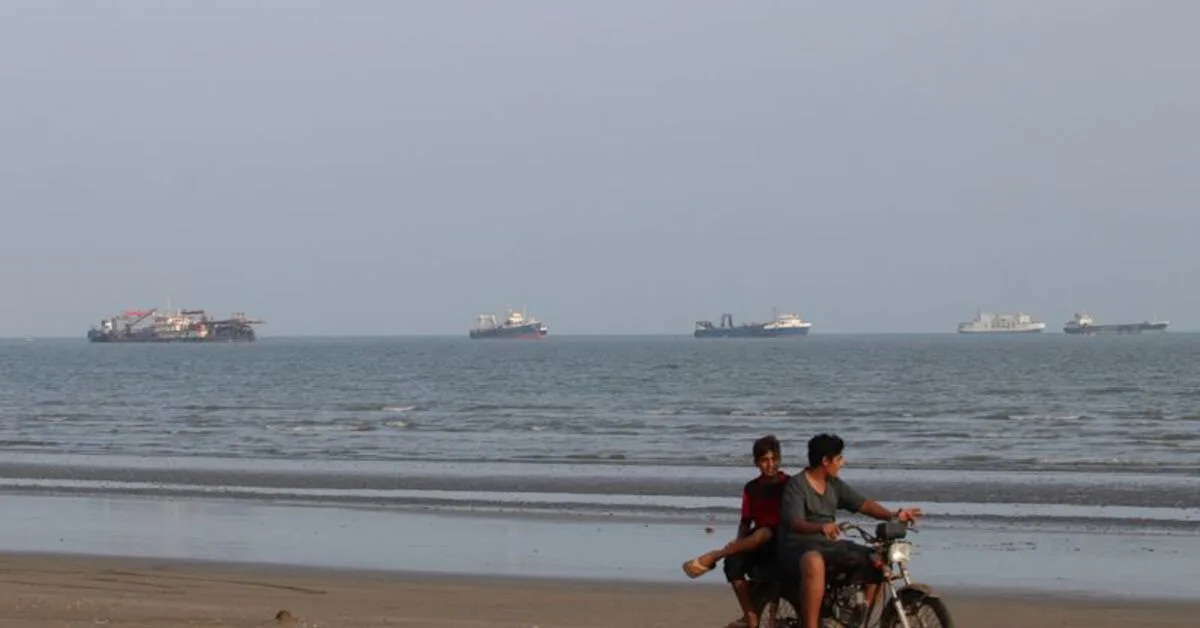
Tehran insists that negotiations should first focus on reopening the Strait of Hormuz. Before the war began, this strait accounted for about one-fifth of global oil and liquefied natural gas trade, and thus, its reopening could have profound impacts on the global energy market.
The future of Iran-U.S. relations depends on the strategic decisions of both sides, and how negotiations progress could influence regional security and stability. Given the existing tensions, time will tell whether the two countries can reach an agreement that leads to the reopening of the Strait of Hormuz and a reduction in tensions.
Read more: Kazem Gharib Abadi: Contacts with Gulf countries are ongoing · Departure of American bombers from Fairford base in Britain