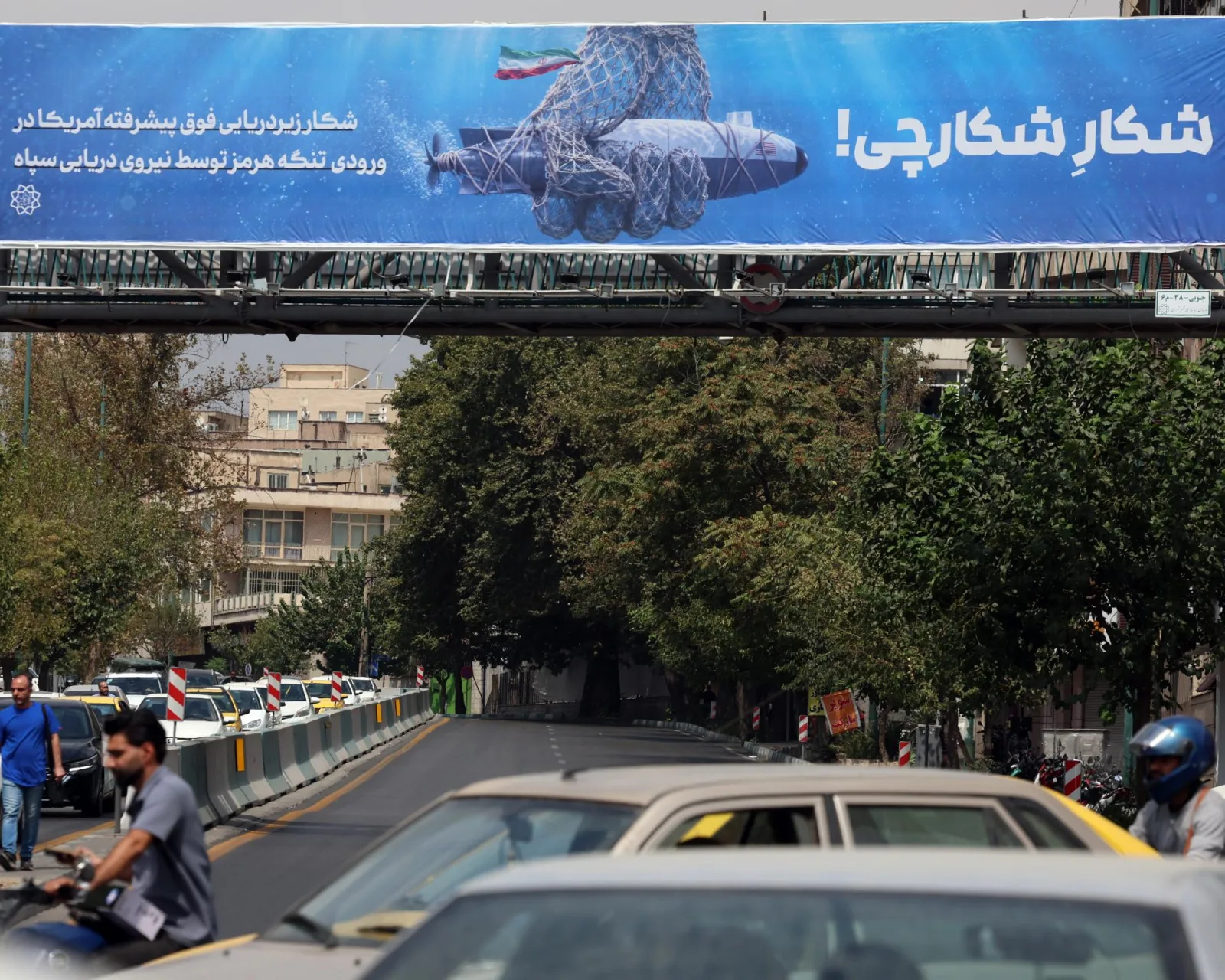
Tensions in the Persian Gulf have reached a peak; Iran has announced that in response to recent U.S. attacks, it has attacked 10 ships near the Strait of Hormuz. This action follows U.S. airstrikes on Iranian vessels and the sinking of five of its oil tankers.
Rising Oil Prices
Recent developments have caused oil prices to rise to over $100 per barrel. This price increase not only affects Iran's economy but has also raised serious concerns about energy security globally. Analysts believe that these tensions could disrupt oil transportation in this sensitive region.
In a statement released by Iranian officials, it was emphasized that these attacks were a decisive response to provocative actions by the U.S. The claim that Iran has managed to attack 10 ships in this sensitive area reflects the country's strong will to defend its interests and maintain its national security.
Global Consequences
These tensions have not only impacted the oil market but could also harm Iran's international relations with other countries. Particularly, Western nations are highly concerned about the security of the Strait of Hormuz, through which about 20% of the world's oil passes. This situation could lead to a larger crisis in the region if the parties cannot reach an agreement on reducing tensions.
Undoubtedly, the future of these tensions will impact the global economy and energy security, and it remains to be seen whether diplomacy can find a solution to this crisis or if the situation will deteriorate further.