On Saturday, Iran is awaiting an official reaction from the United States to its proposal for reopening the Strait of Hormuz and ending the conflicts in the broader Middle East. This comes as reports suggest that U.S. President Donald Trump has rejected the agreement.
Iran's Diplomatic Proposal
Iran presented its diplomatic initiative at the United Nations General Assembly in New York and announced that this proposal was conveyed to the Americans through mediation by Qatar. This plan could lead to the reopening of this strategic waterway and the cessation of hostilities in the region within seven days.
Read more: Possible Meeting of Iran's President with Trump in New York
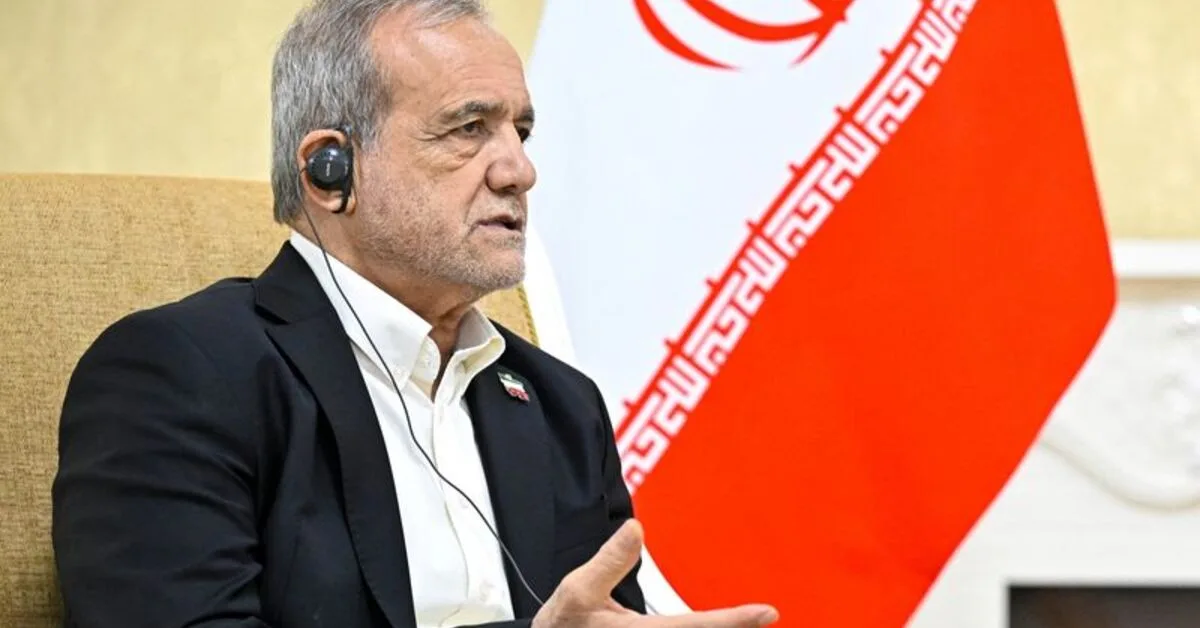
Iran's Foreign Minister, Abbas Araghchi, stated at his press conference at the United Nations that this agreement could initiate a seven-day countdown for reopening the Strait of Hormuz and stopping regional conflicts. He stated, "If the United States is serious about reaching an agreement and reopening the Strait of Hormuz, everything is now ready." Araghchi also noted that if the U.S. agrees, the involved parties could begin broader negotiations "on agreed topics."
Negative Consequences of War and Negotiations
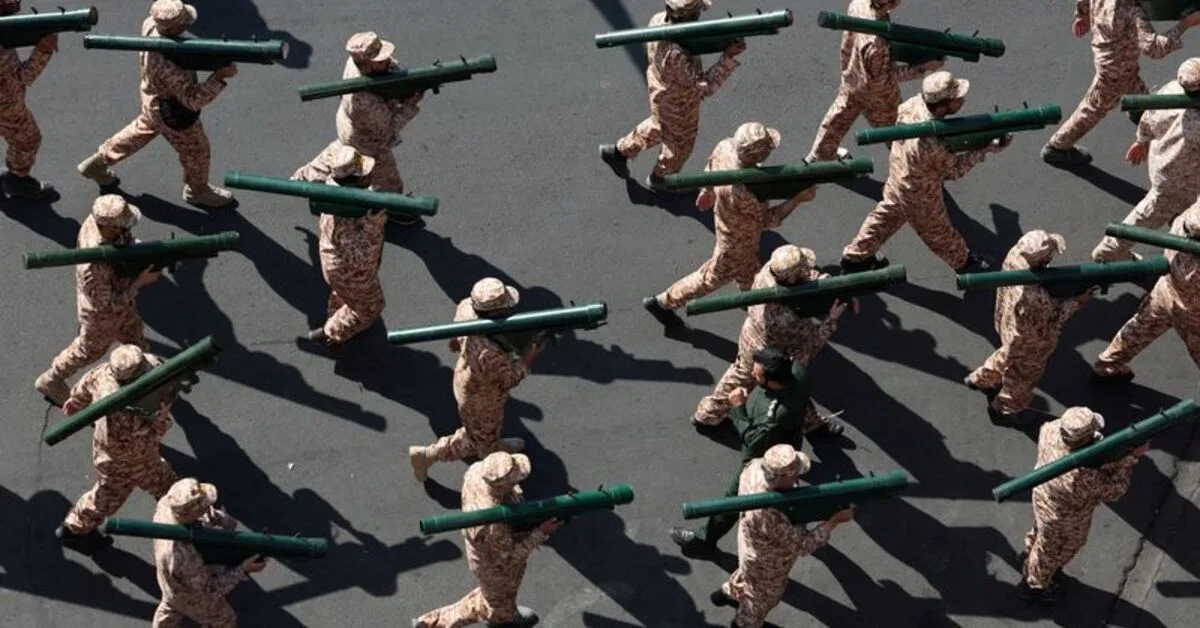
The war, which began on February 28 with U.S. and Israeli attacks, has continuously fluctuated between pauses and new assaults, killing thousands and weakening Iran's conventional forces while making the country's ailing economy more vulnerable. Iran and its allies have responded to this war and expanded it throughout the region. Iran, which controls the Strait of Hormuz along with Oman, has attacked U.S. allies in the Gulf using drones and missiles.
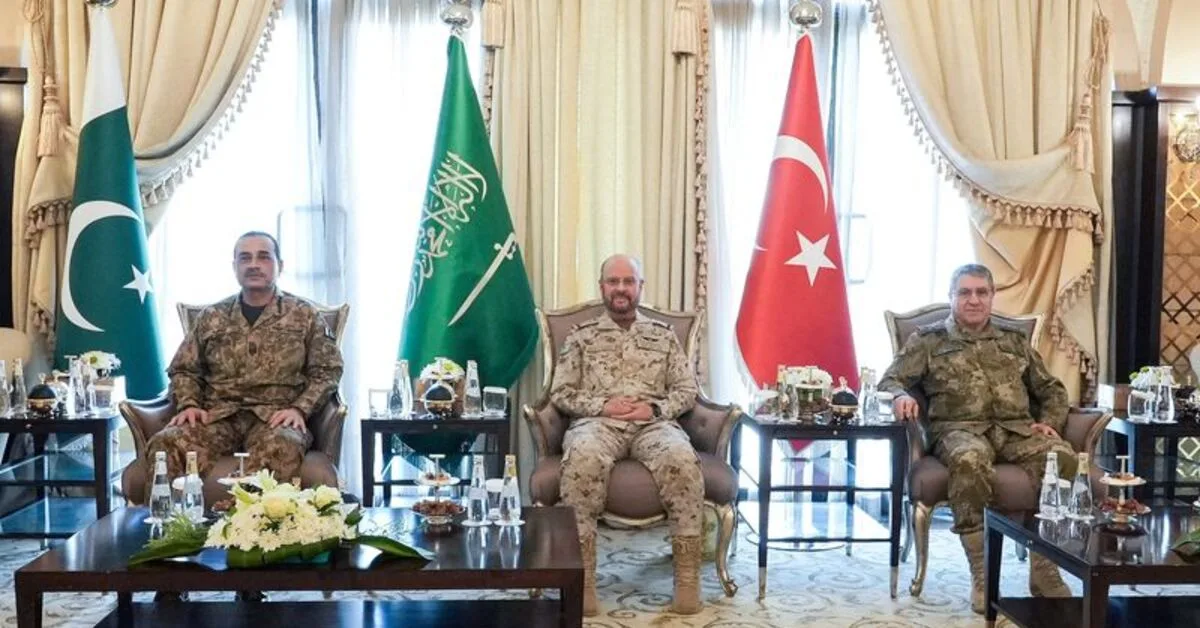
Araghchi also provided details during discussions with his Saudi counterpart, Faisal bin Farhan, regarding the agreement reached between Iran and Oman on safe shipping routes in the Strait of Hormuz. The ongoing war has also increased pressures on global oil supply and poses a threat to one of the world's most important trade routes.
United Nations statistics indicate that violence in Yemen has led to a new humanitarian crisis. The organization has reported an increase in cases of acute malnutrition among children. Meanwhile, the Saudi-Emirati coalition has announced that it intercepted two drones fired by the Houthis towards the Saudi capital, Riyadh, on Saturday.
Given the serious consequences of this conflict, the need for diplomacy and sustainable solutions to end the war and reopen the Strait of Hormuz is felt more than ever.
Read more: Iran Presented a Plan to Reopen the Strait of Hormuz · General Safavi: Regional Security Arrangements Cannot Be Operational Without Iran