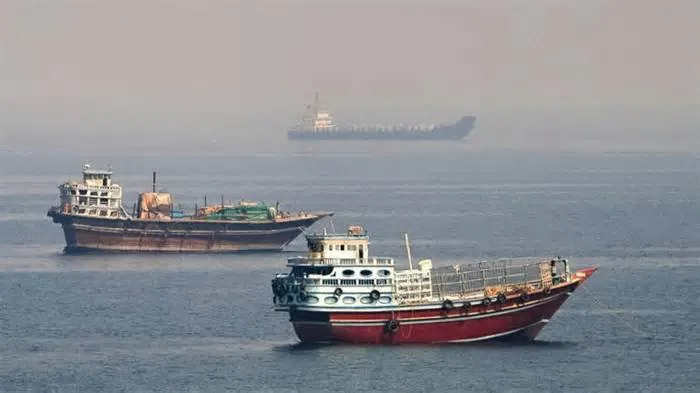
The Strait of Hormuz, one of the vital oil transport routes in the world, has turned into a scene of international tensions. While the United States seeks to manage the situation and create stability in the region, the Islamic Republic of Iran is looking to break the deadlock and change the equations in its favor.
U.S. Strategy: Control and Containment
The United States, as a major global power, knows well that controlling the Strait of Hormuz could mean controlling the global oil market. In this regard, Washington is trying to increase pressure on Iran by forming maritime and military coalitions. This strategy aims not only to maintain maritime security but also to prevent the expansion of Iran's influence in the Persian Gulf.
Iran: A Way to Escape the Siege
On the other hand, Iran, considering the economic pressures and international sanctions, is seeking ways to escape this siege. Iranian officials have repeatedly stated that they view the Strait of Hormuz as a leverage tool to achieve their goals on the international stage. The country has recently strengthened its naval forces and increased military demonstrations in the region.
These two approaches clearly indicate a strategic confrontation between the two powers. While the U.S. seeks to maintain the status quo and prevent major changes in the region, Iran is vigorously trying to alter the equations in its favor. In this context, the future of the Strait of Hormuz and its impacts on the global oil market will be significantly influenced by this competition.
Although both countries are pursuing their interests, these tensions could lead to new crises in the region. Can the United States maintain control of the situation, or will Iran succeed in changing the equations? The future of this region heavily depends on upcoming developments.