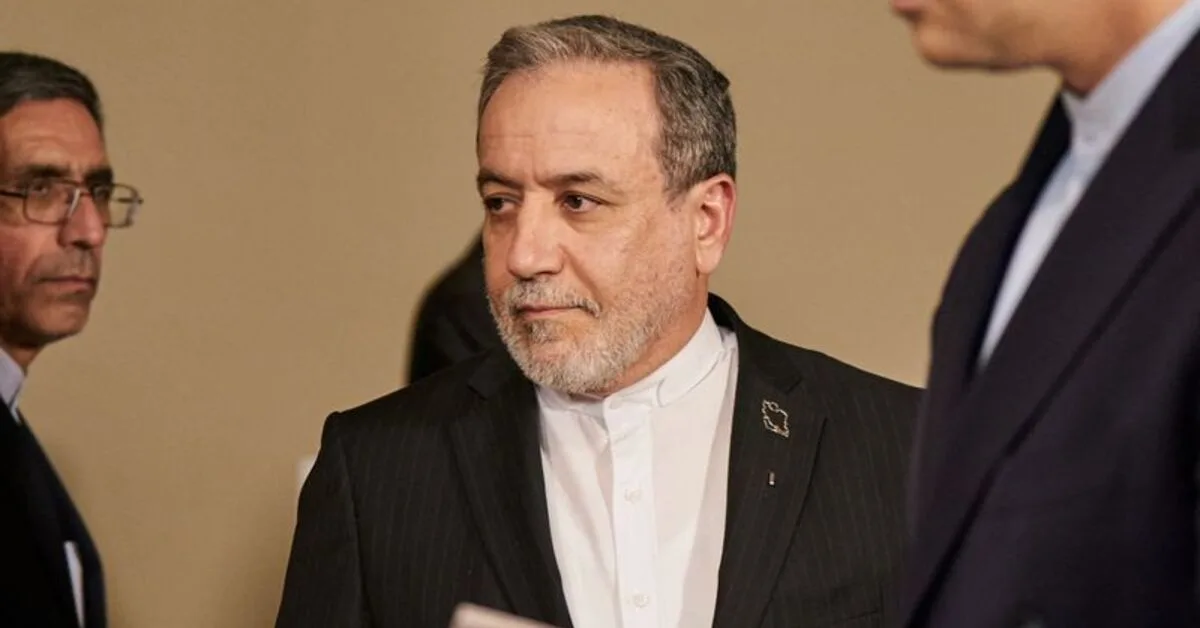
Abbas Araghchi, Iran's Foreign Minister, received feedback from the United States through Qatari mediation on Tuesday in Doha. This feedback pertains to a seven-day plan aimed at building trust between Tehran and Washington. According to available information, the main point of contention between the two sides relates to the sequence of implementing this plan.
Details of the Seven-Day Plan
Last week, Iran presented a seven-day proposal in which Araghchi emphasized that if the necessary conditions are met, the Strait of Hormuz could be reopened and normal maritime traffic could resume. However, U.S. President Donald Trump rejected this proposal, leading to further mediation efforts by Qatar.
Read more: The U.S. government is nearing victory in the Iran war
Qatari mediators conveyed the feedback they received from Washington to Araghchi and his team on Monday. This meeting took place as they were returning from the United States. A document being circulated refers to a seven-day confidence-building period aimed at bringing both sides back to an advanced version of an agreement signed in June, which includes specific steps regarding Iran's nuclear program.
Key Issues and Qatari Mediation
According to informed sources, the main disagreement between Tehran and Washington is over the order of implementing the plan's stages, not its components. Qatar is relaying messages between the two countries to end tensions and reopen the Strait of Hormuz. The agreement signed in June led to a short-term ceasefire and included provisions related to the Strait of Hormuz and Iran's nuclear program.
Given the importance of these negotiations and diplomatic efforts, Araghchi is expected to review U.S. feedback in Tehran on Wednesday. These discussions could impact the future of relations between Iran and the U.S. as well as regional stability.
Read more: Iran: Difficult travels for Iranians due to new U.S. sanctions · Iran has no connection to the suspicious bombing plot at the British airbase