The Islamic Revolutionary Guard Corps of Iran has made threats against undersea internet cables in the Strait of Hormuz, especially following increased tensions with the United States and the Israeli regime. These threats have been particularly made in response to potential attacks by the United States and its allies on Iran's infrastructure.
Warnings from Iranian Officials
Yadollah Javani, the political chief of the Revolutionary Guard, announced on Wednesday that Iran could target internet cables passing through the Strait of Hormuz. He stated that if the United States or its allies attack Iran's infrastructure, their investments may also be chosen as targets for retaliation.
Read more: Kuwait: Discovery of 300,000 Captagon Pills Worth 500,000 Dinars
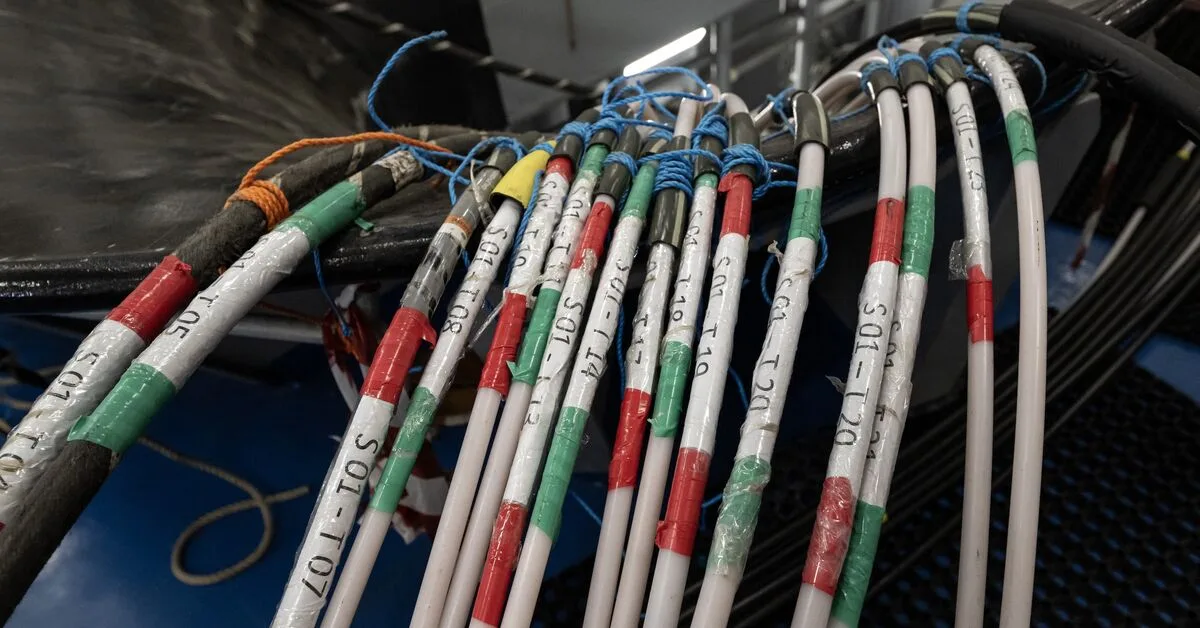
These remarks came after a warning on Monday from Hossein Mohibi, the spokesperson for the Revolutionary Guard, who referred to the undersea cables in a speech at the Tehran Sacred Defense Museum. Mohibi emphasized the importance of these cables in the region's digital infrastructure and highlighted the dangers posed by any attack on them.
Consequences of the Threats
These threats could have serious implications for the digital and communication infrastructure of Gulf countries. The Strait of Hormuz is one of the world's most important maritime passages, through which a significant portion of internet traffic and international communications are conducted via its undersea cables. Any disruption to these cables could lead to a decrease in the quality of internet services and communications in the region.
Analysts believe that such threats could escalate tensions in the region and impact security and stability. Additionally, these threats may lead to increased security and military costs for Gulf countries, as they will need to take further measures to protect their infrastructure.
Read more: Turkey Plans to Send Military Forces to Saudi Arabia · Houthi Attacks on Saudi Arabia Affecting the Country's Economic Plans