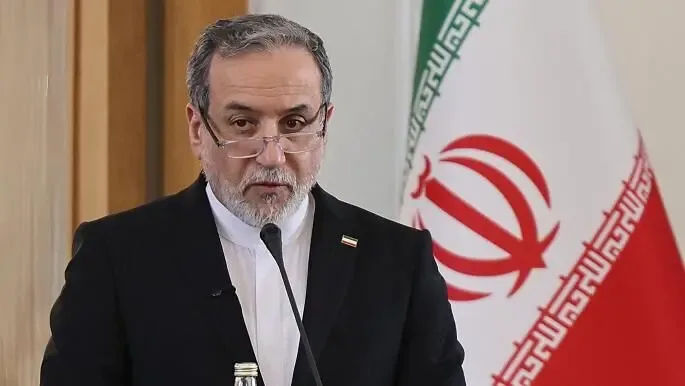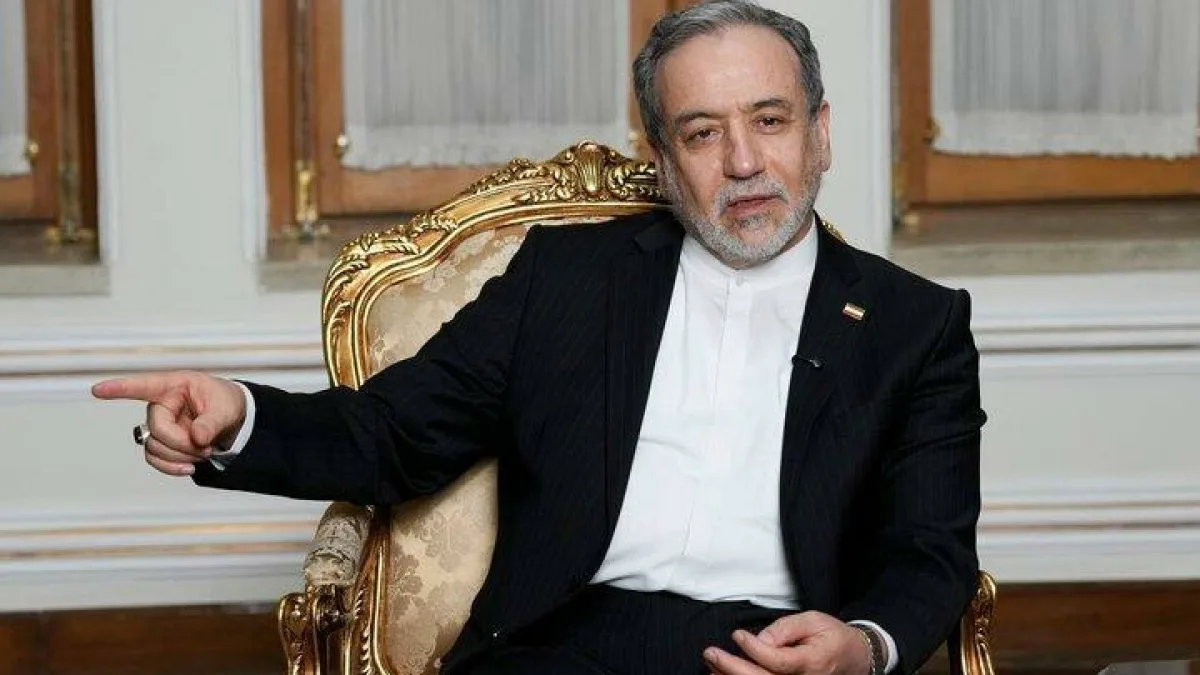
In a controversial statement, our Foreign Minister recently announced that the agreement with Oman does not mean the opening of the Strait of Hormuz at all. Hossein Amir-Abdollahian added in this regard: "Iran's condition for reopening this strategic strait is the return of the United States to its commitments under the Islamabad agreement."
Strait of Hormuz; A Symbol of Regional Tensions
The Strait of Hormuz, which is considered one of the most important waterways in the world, has always been a site of political and military tensions between countries. Given the economic and strategic importance of this region, any change in its status can have widespread impacts on global markets and regional security. In this context, agreements with neighboring countries like Oman can be seen as a factor in reducing tensions.
Iraqi also pointed out that these agreements must be in line with Iran's national interests and respect the maritime rights of other countries. He emphasized: "Iran is always ready to seek solutions to reduce tensions within the framework of diplomacy and constructive dialogue, but this does not mean surrendering to external pressures."
Future Outlook
Given the current conditions and the positions taken, it seems that Iran will continue to emphasize its positions regarding the Strait of Hormuz and relations with global powers. These positions not only affect Iran's domestic policies but can also influence regional stability and security.
At the end of this meeting, Iraqi stressed the necessity of pursuing active and intelligent diplomacy and expressed hope that with the return of the United States to its commitments, new opportunities for regional cooperation would be created.