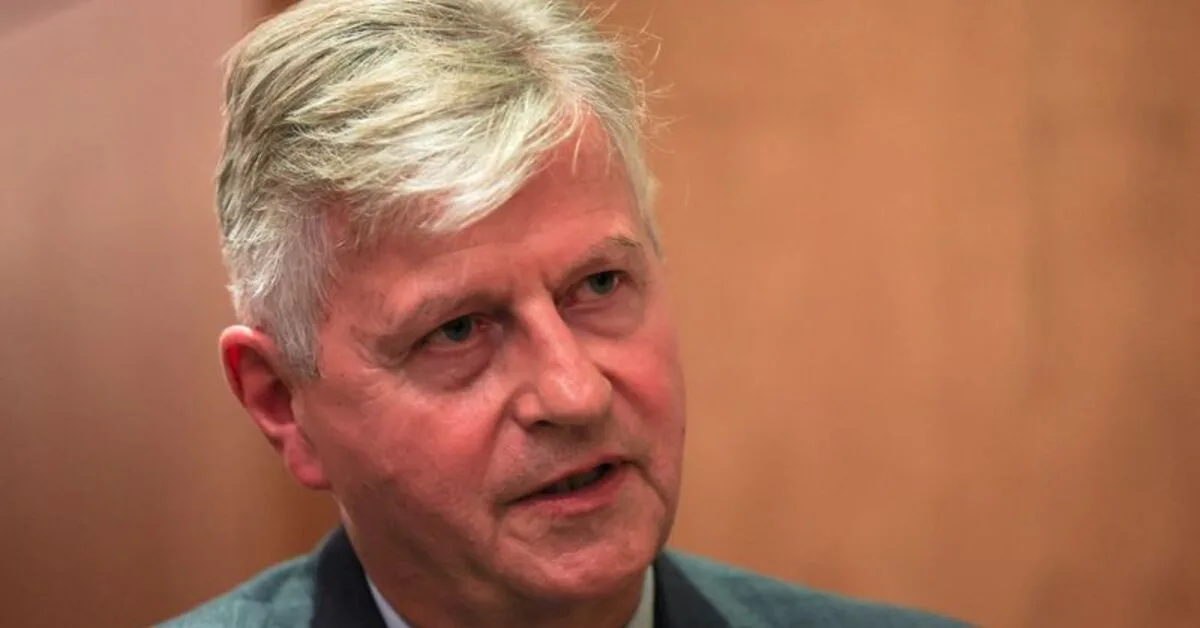
Jean-Pierre Lacroix, the head of the UN peacekeeping forces, on Wednesday called on the Security Council to begin urgent negotiations regarding the future of the peacekeeping force stationed in Lebanon. This request comes as Beirut seeks an extension of this force's mandate, which will expire at the end of this year.
History of the Peacekeeping Force in Lebanon
The UN peacekeeping force, known as UNIFIL, has been stationed in southern Lebanon since 1978. However, the Security Council ordered last year that this mission be gradually reduced by the end of 2026. Lebanon has requested an extension of UNIFIL's mandate since the outbreak of a new war in March between Israel and the armed group Hezbollah. The Lebanese government considers the role of this force in monitoring conflicts and facilitating aid delivery to villages in Israeli-occupied areas to be very important.
Read more: Colombia Opens Its Embassy in Jerusalem and Revives Free Trade Agreement with Israel
Proposals and Challenges
Antonio Guterres, the UN Secretary-General, presented proposals earlier this year for the continued presence of UN uniformed forces in Lebanon, but no action has been taken on this matter so far. Lacroix stated that the proposals are on the Security Council's agenda and that no movement has occurred in this regard. He expressed hope that negotiations would begin soon and seriously.
Lacroix also added, "It is better to make a decision sooner so that our planning horizon is clearer." Diplomats point out that the United States does not support the extension of UNIFIL's mandate, but Lacroix emphasized that focusing on Lebanon's request is important and that negotiations in the Security Council could lead to a constructive outcome.
Currently, about 7,500 UNIFIL peacekeeping forces are stationed at around 50 bases in southern Lebanon. If no agreement is reached on a new UN force, these bases are expected to be handed over to the Lebanese army. However, given that most of these bases are located in areas occupied by the Israeli army, it is unclear how Lebanese forces can access these bases.
Lacroix emphasized that clarity on whether a new force will be deployed to southern Lebanon will help UNIFIL ensure that "it does not leave these bases before we know what may happen next." In addition to facilitating aid delivery and monitoring conflicts, this force operates a hotline to reduce tensions between Lebanese and Israeli military forces.
Read more: Global Economic Growth Forecast by the International Monetary Fund