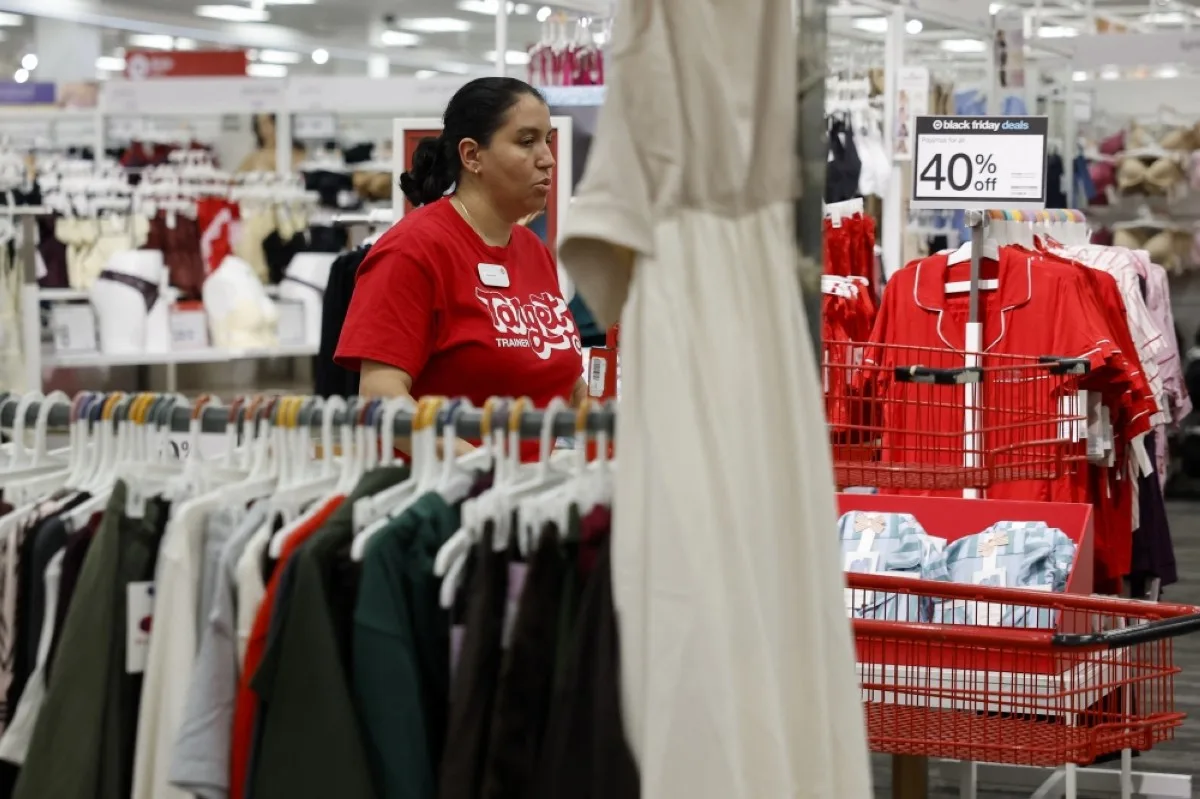
Employment in the United States in October grew by 165,000 jobs, exceeding analysts' expectations. This information, released on Friday, indicates that the unemployment rate has decreased to 4.1 percent. The relatively stable job market in the United States allows the country's central bank, the Federal Reserve, to prioritize the fight against high prices.
Pressure on the Federal Reserve and the President's Reaction
The strong October data may fuel pressures for further interest rate hikes. This could put the Federal Reserve at odds with President Donald Trump, who has repeatedly called for lower borrowing costs and reacted to the central bank's interest rate increase in September, urging a rapid reduction in interest rates for the United States.
Read more: Bank of England Raises Interest Rates for the First Time Since 2023
Analysts had predicted that 65,000 new jobs would be created and the unemployment rate would remain steady at 4.2 percent. Meanwhile, Kevin Hassett, the Chairman of the White House Council of Economic Advisers, reacted positively to the figures, stating: "We are now looking at three months of unprecedented job growth." He also added: "These data are currently singing a beautiful tune, and I expect this trend to continue."
Analysis of Employment Statistics and Their Impacts
The U.S. Bureau of Labor Statistics (BLS) also revised the employment figures for August and September by a total of 84,000 jobs. The revision of September's figures shows that the world's largest economy added 60,000 jobs that month, while previously this number was reported as 29,000.
Greg Dwyer, Regional President of North America at ManpowerGroup, described this report as a strong sign of movement in the job market. He said: "Demand is clearly increasing in some sectors of the economy, but we need to see this increase spread to more industries and create more opportunities for workers in order to achieve a broader hiring recovery."
This data was released just days after the midterm elections, in which the cost of living had a significant impact on voters. The October increase is significantly higher than the average monthly increase of 48,000 jobs over the past 12 months. The professional and business services sector led this growth by adding 70,000 jobs, significantly above the average monthly increase of 15,000 jobs last year. Additionally, the healthcare sector added 42,000 jobs, which is above the average monthly increase of 31,000 jobs last year.
This sector has bolstered the U.S. job market over the past year, as an aging population requires more care in hospitals and at home. The transportation and warehousing sector added 25,000 jobs, primarily among couriers and messengers, while the manufacturing industry added 19,000 jobs to its tally.
Employment in other major sectors, including construction, retail, financial activities, and government, remained largely unchanged. The average hourly wage for all employees has increased by 3.1 percent over the past 12 months, but wages continue to lag behind stubbornly high inflation, meaning that most workers are experiencing a real wage decline. An increase in interest rates tends to reduce inflation, but it can also limit economic activity, which could impact the job market.