Kyiv, the capital of Ukraine, was experiencing relatively calm life until a few months ago. However, with the increase in Russian attacks, this city has quickly become one of the frontlines of the war.
Life in the Basements
Due to the lack of shelter for 4 million residents of Kyiv, metro stations have turned into temporary dormitories. From around 10 PM, people create sleeping areas using mattresses and small tents. Children sleep next to adults, and pets find refuge with their owners or alongside strangers.
Read more: Turkish Foreign Minister: Renewed Attack on Iran Escalates Tensions
Halina, one of the residents, while holding her 5-year-old son, Roman, says: "We are alive. We have been lucky once again." Every night, even when the air raid sirens do not sound, she takes her son to the nearest metro station.
Human Casualties and Ongoing Threats
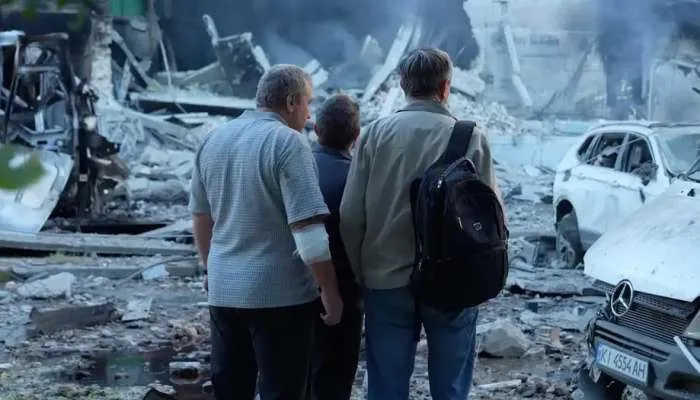
Russian attacks on residential areas have resulted in catastrophic human casualties. In September, a Russian drone attacked an apartment building in the Pechersk district, claiming the life of 14-year-old Daniel Umansky. His neighbor, Vlad, recalls the incident: "These sick creatures do not care who they kill." Following this incident, flowers were planted in front of the damaged building in memory of Daniel.
Attacks on places where children gather continue as well. In early October, a drone attacked a school building in southwestern Kyiv, but fortunately, students and teachers were in shelters at the time of the attack.
The Kyiv military administration reported that in the first 8 months of 2026, 140 people were killed in the capital, an increase compared to the previous year. If this trend continues, 2026 could become the deadliest year for Kyiv since the beginning of the Russian invasion in 2022.
Attacks on warehouses have led to a reduction in supermarket stocks, and by the end of September, emergency power outages resumed in Kyiv. Despite Russia's efforts to make Kyiv uninhabitable, 72% of the city's residents reported in September that they are ready to resist the war.
Read more: The U.S. Government Addresses Concerns About Cuba After the Iran War · Saudi Arabia and New Houthi Attacks on Oil Facilities