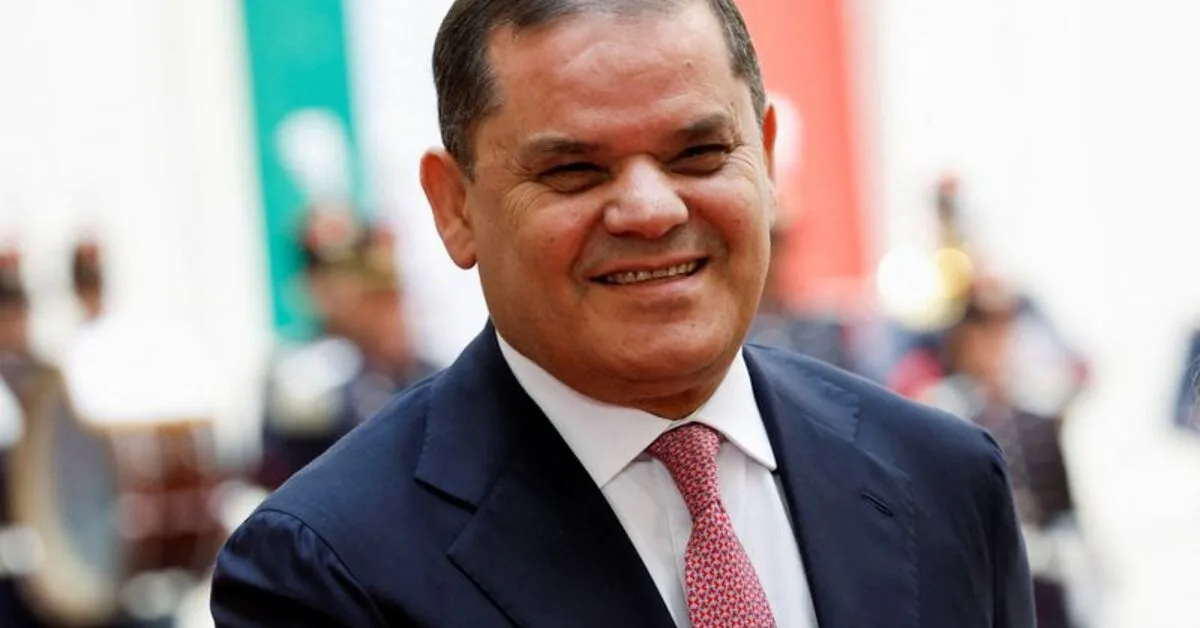
Abdul Hamid Dbeibeh, the Prime Minister of Libya's Government of National Unity, stated in a conversation with Hassan Rashad, the head of Egypt's intelligence agency, that his government is prepared to address Egypt's concerns regarding maritime borders and economic waters in the Mediterranean. This phone call took place on Saturday and emphasized the importance of bilateral cooperation and coordination on common issues.
Border Agreements and Reactions
Last Wednesday, Egypt rejected an agreement that had been approved by the parliament based in eastern Libya and in collaboration with Turkey, declaring it invalid. This agreement had remained suspended for several years due to lack of approval and consent from the eastern Libyan government. The agreement, particularly concerning maritime rights claims and energy exploration in the Eastern Mediterranean, has become a contentious issue among regional countries.
Read more: United States and North Korea: Possibility of Trump and Kim meeting ahead of APEC summit
The Libya-Turkey agreement was signed in 2019 between the legitimate Libyan government in Tripoli and had long been dormant due to political and military disputes between rival governments in Libya. The eastern Libyan government led by Khalifa Haftar has continuously refrained from endorsing this agreement, fueling tensions and disputes in the region.
Economic and Security Implications
Egypt and Libya, which share a land border, have deep historical and economic ties, as well as security relations. These ties are particularly emphasized in the context of combating terrorism and drug trafficking as a priority for both countries. Given recent developments and Egypt's concerns regarding maritime borders, there is a possibility of increased tension in the relations between the two countries.
Greece, Egypt, and Cyprus are also strongly opposed to the Libya-Turkey agreement, viewing it as a violation of their maritime claims. This issue could lead to further tensions in the Mediterranean Sea and undermine the security and stability of the region. In this regard, Libya must carefully consider the implications of this agreement and international reactions.
The Libyan government under Dbeibeh must also seek international support to resolve maritime and economic issues and avoid any actions that may exacerbate tensions. In such circumstances, close cooperation with Egypt and other regional countries could help improve the security and economic situation.
Read more: Trump administration examines relations with Cuba after Iran war