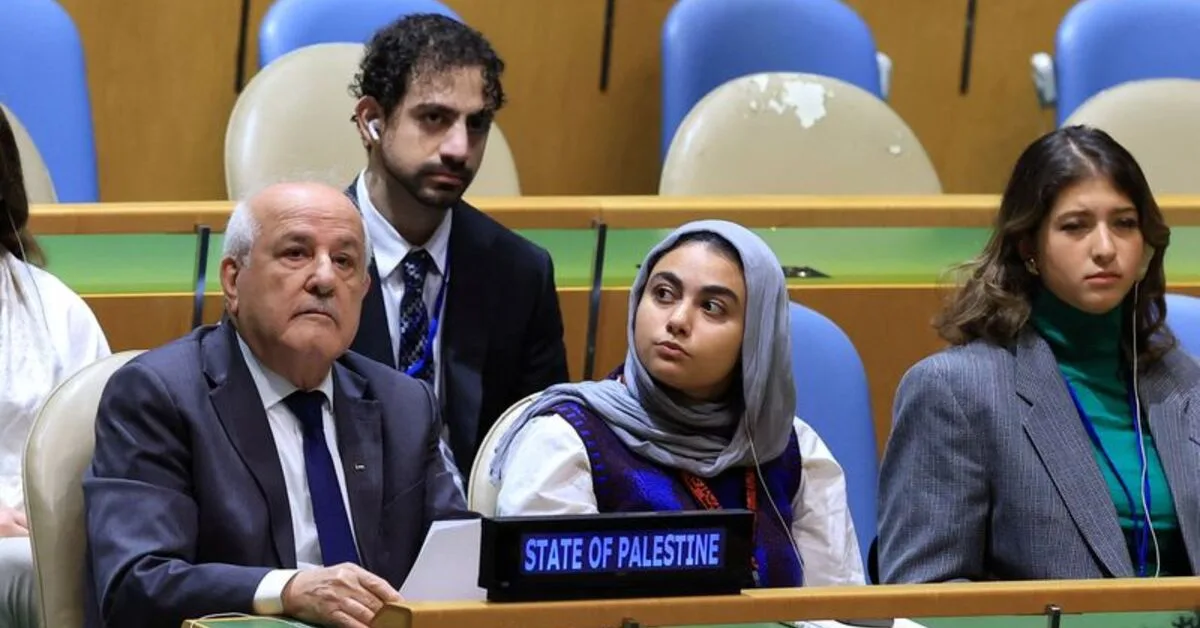
Mahmoud Abbas, the President of Palestine, has confirmed plans to hold legal elections on November 28, 2023, in a video message to the United Nations General Assembly. This will be the first Palestinian parliamentary elections in 20 years, despite serious doubts about their feasibility. In this speech, Abbas criticized the United States' restrictions on the Palestinian delegation's access to the UN headquarters, describing it as a violation of Washington's commitments as the host country.
Emphasis on National and International Reforms
Abbas, who was elected President in 2005, announced the completion of the national reform program in his remarks, stating: "We will continue the national reforms to which we are committed before our people and the international community." He is also under pressure from the United States to implement reforms in the areas of corruption and governance, reforms that Washington claims Abbas has failed to implement.
Read more: Victory of the Authenticity and Modernity Party in the Moroccan Parliamentary Elections
The last legal and presidential elections in Palestine were held in 2005-2006, after which Abbas's rival group, Hamas, took control of Gaza. Abbas announced this year that the presidential elections will be held in 2027, but no specific date has been set for them yet.
International Reactions and Internal Challenges
France, which recognized a Palestinian state last year, has called for the holding of legal and presidential elections and has provided advice to Palestinian officials on organizing these elections. French Foreign Minister Jean-Noël Barrot stated at the UN General Assembly: "These elections must take place. They are a way for the Palestinian people to express their legitimate aspirations for self-determination and to make their voices heard."
However, some Fatah officials, particularly within Abbas's main movement, have doubts about the feasibility of holding elections, and some are calling for dialogue with other factions. Additionally, obstacles arising from Israel's refusal to allow the entry of election materials and supplies into Gaza cast a shadow over the future of these elections.
The Hamas group has announced that it will participate in the elections and is negotiating with other groups to form a coalition to challenge Abbas's Fatah movement. These negotiations include engagement with Mohammed Dahlan, a former Fatah leader based in the United Arab Emirates, who is seen as a potential successor to Abbas.
In his remarks, Abbas also urged the United States to lift its restrictive measures and continue dialogue, supporting international efforts to implement a two-state solution between Israel and the Palestinians. He warned that the expansion of Israeli settlements in the West Bank, particularly in East Jerusalem, would fragment Palestinian territory and undermine the prospects for establishing a Palestinian state.
Abbas added that 160 countries have recognized the Palestinian state so far and called on other countries to do the same.
Read more: UN Human Rights Commission Report on the Yemen Crisis · Israeli Elections and the Role of Survivors of the October 7, 2023 Attack