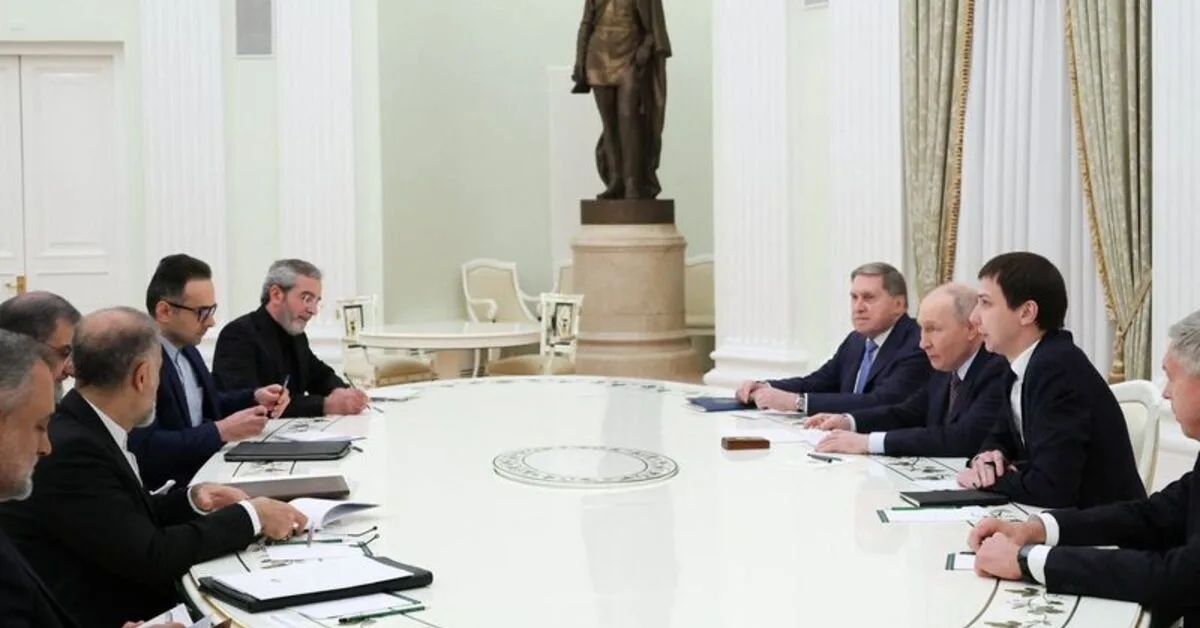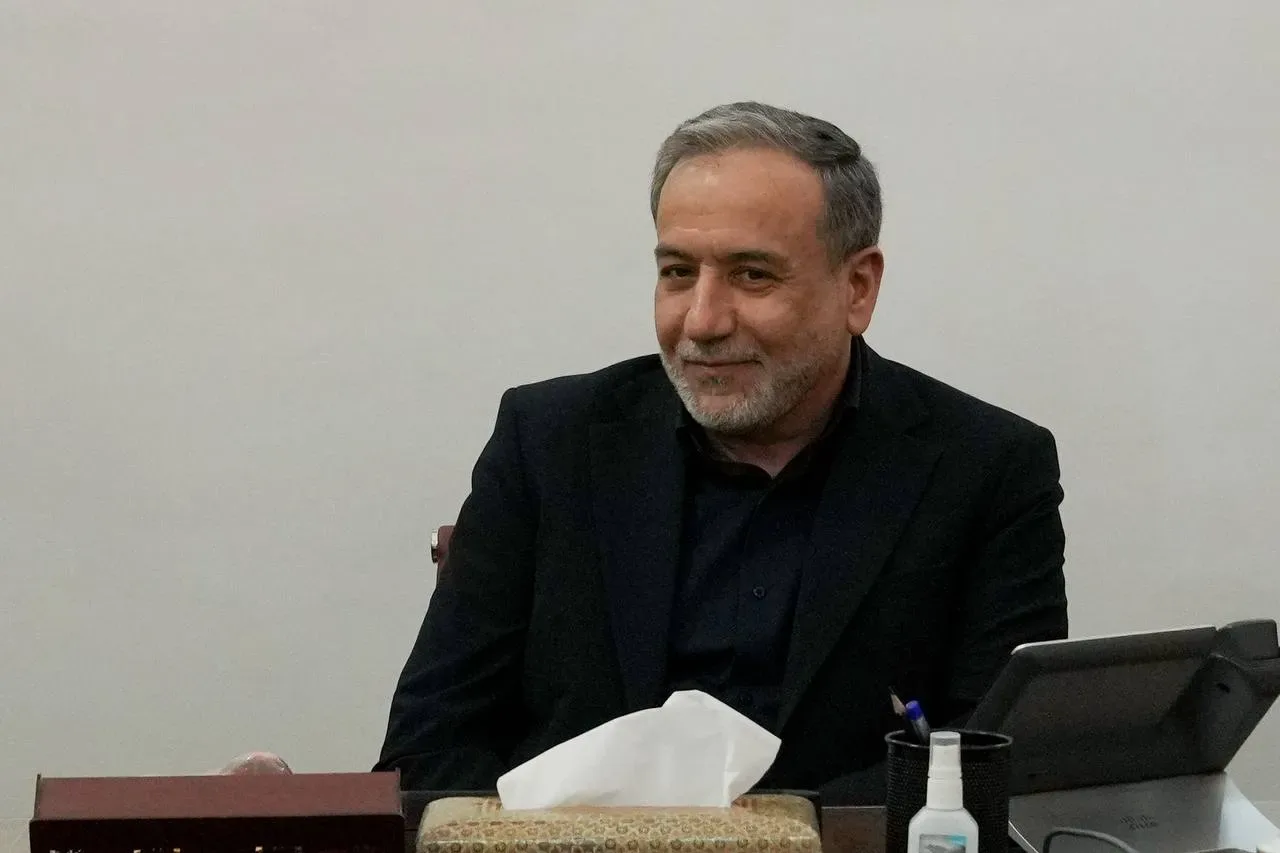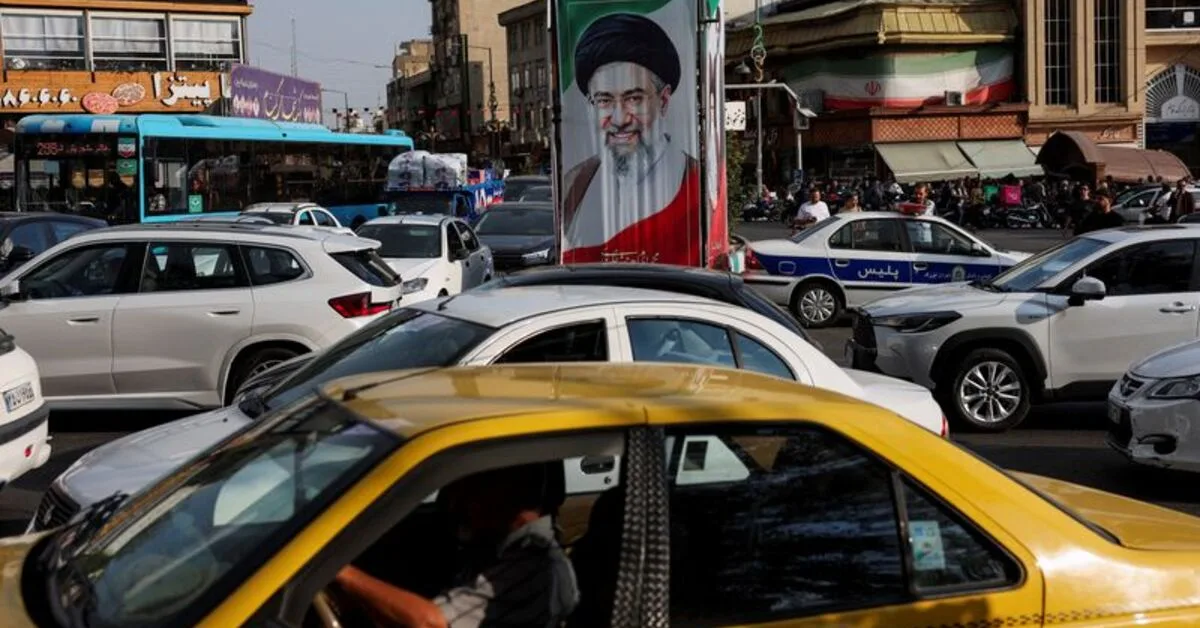
Mohsen Rezaei, Head of the National Security Council of the Islamic Republic of Iran, met with Ayatollah Mojtaba Khamenei, the Leader of the Islamic Revolution, on Tuesday. This meeting followed important negotiations with representatives from Saudi Arabia, Turkey, and Pakistan in Tehran. Ayatollah Khamenei, who had not been seen in public since succeeding his father due to assassination in March, emphasized the importance of pursuing Iran's interests and maintaining the necessary conditions for ending the war during this meeting.
Details of Negotiations with Makkah Pact Countries
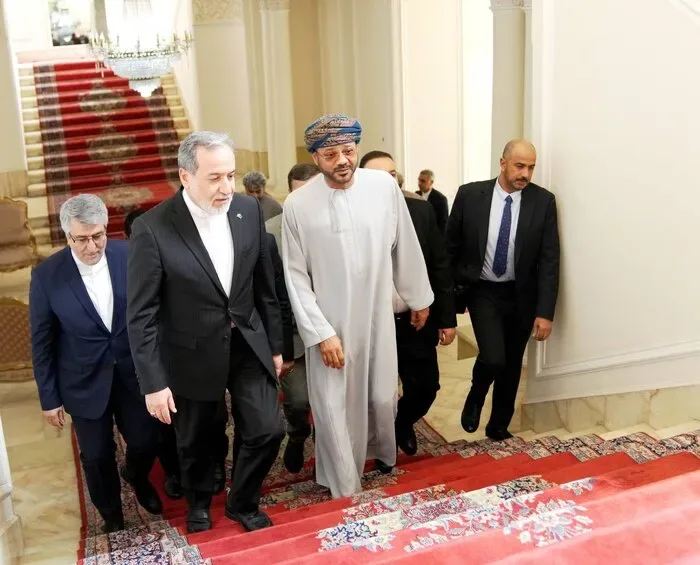
High-level delegations from Saudi Arabia, Turkey, and Pakistan traveled to Tehran on Monday with the aim of reducing tensions in the Middle East. These negotiations mark the first high-level contact between Iran and these three countries since the signing of the Makkah Joint Defense Pact in August. This pact was signed following an escalation of conflicts between Saudi Arabia and the Houthi movement in Yemen.
During this meeting, Ayatollah Khamenei and Mohsen Rezaei discussed topics such as "maintaining national and regional security through control over the Strait of Hormuz and strengthening bilateral relations with neighboring countries." These topics were raised in a context where tensions in the region have intensified, especially following U.S. and Israeli attacks on Iran in February.
Iran's Conditions for Ending the War
An Iranian official announced to reporters that the topic of Iran's nuclear program would not be discussed in the meeting on Monday, and this issue would not be on the agenda until Tehran's demands for ending the war are met. Iran has responded negatively to Western concerns regarding the military nature of its nuclear program and has rejected them.
Iran's conditions for ending the war include the lifting of U.S. sanctions on Iranian ports and the country's oil exports. Additionally, U.S. Deputy President J.D. Vance announced three weeks ago that Iran must reduce its uranium enrichment for the war to end.
These developments reflect Iran's efforts for active diplomacy with neighboring countries and maintaining its interests against international pressures. In this context, it is observed that Tehran is seeking to contribute to regional stability and security by strengthening its relations with countries with which it has a history of tensions.
Read more: Sergey Lavrov traveled to Tehran · Blaming the United States by Masoud Pezeshkian for the failure of the temporary agreement