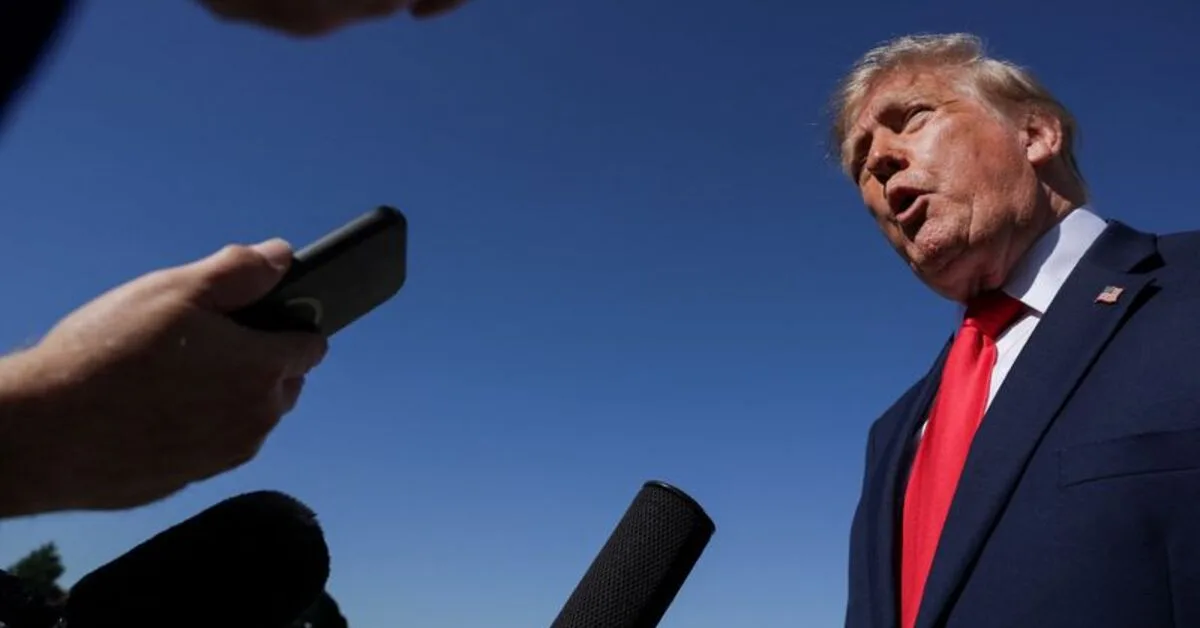
Xi Jinping, the President of China, is on the verge of his meeting with Donald Trump, the President of the United States, in Washington. This meeting is scheduled for September 24 and, given the increase in China's trade with the world and Trump's domestic challenges, it is expected to address complex issues.
Trade and Political Developments
In the four months since their last meeting, Xi Jinping has witnessed a significant increase in China's trade with other countries. Meanwhile, Trump is facing declining approval ratings domestically. These changes have led to lowered expectations for the upcoming meeting, especially considering Trump's challenges in the conflict with Iran that have affected his popularity.
Read more: The United Nations General Assembly in New York will be held with the presence of regional leaders
In this meeting, sensitive issues such as Taiwan may be raised, but the main focus will be on the possibility of extending the trade agreement signed last year, which prevented a major shock to the global economy. According to experts, Xi Jinping is seeking to extend this agreement so that China can strengthen itself.
Domestic and International Challenges
China is also facing domestic challenges such as declining domestic demand and an ongoing crisis in the real estate sector. However, China's exports continue significantly, and some economists have described this situation as "China Shock 2.0." It is expected that China's global trade surplus will exceed $1 trillion for the second consecutive year.
A delegation of Chinese business leaders, including some companies facing U.S. scrutiny, is set to accompany Xi Jinping on his trip to Washington. This comes as the Trump administration has previously attempted to use unilateral pressure to force China into concessions, the results of which remain unclear.
Meanwhile, Trump may seek to use the $14 billion arms package for Taiwan as leverage in negotiations with China. This issue may raise concerns in Taipei and Tokyo that Trump might use this leverage to gain political advantages ahead of the November midterm elections.
Ultimately, U.S.-China relations are increasingly leaning towards trade deals. While Washington seeks to prioritize trade negotiations, for Beijing, the U.S. approach to Taiwan could be key.
Read more: Donald Trump's Diplomatic Meetings at the UN General Assembly · Vulnerability of U.S. Military Infrastructure in the Middle East