Saudi Arabia, Turkey, and Pakistan will hold a meeting to discuss assistance to Saudi Arabia in facing Houthi attacks from Yemen. This comes as Iraq has recently reduced Iranian flights under U.S. pressures, and an Iranian official has threatened retaliation.
Escalation of Tensions in the Region
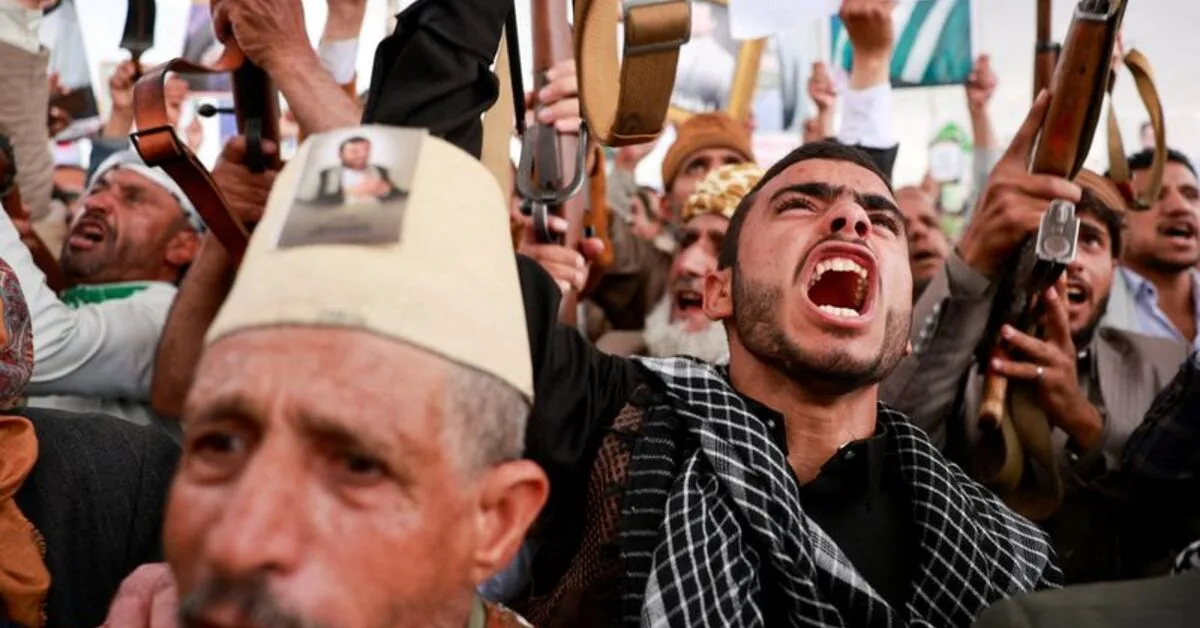
The Houthis continue their assault on the Saudi-backed government in Yemen, having recently fired several times towards Saudi Arabia. These attacks have disrupted oil flow from the world's largest energy exporter and are part of a broader conflict in the Middle East that began with U.S. and Israeli attacks on Iran on February 28.
This military escalation continues while efforts are underway during the United Nations General Assembly in New York to revive diplomacy aimed at ending these conflicts. The fighting has rapidly spread to Lebanon and the Gulf, intensifying in Yemen in recent weeks.
Sanctions and Their Impact on Iran
With negotiations halted and fighting between the U.S. and Iran paused, Washington has shifted its approach, attempting to expand the scope of its financial sanctions by targeting third-country companies that cooperate with Iranian entities.
Iranian airline flights to neighboring countries, including the United Arab Emirates and Oman, have been banned in response to new U.S. sanctions. This ban could lead to further isolation of Iran and exacerbate the economic crisis facing the country, which is currently under a U.S. naval blockade.
Mohammad Mokhber, advisor to Iran's Supreme Leader, accused regional countries of "aligning with the U.S." for blocking flights and emphasized that if Iran cannot fly and receive airport services, no country in the region will be able to do so either.
The war initiated by former U.S. President Donald Trump, along with Israel, has so far killed thousands and disrupted global trade and energy supplies, leading to inflationary pressures.
The Role of Regional Actors and Iran's Proposals
As the conflict between the U.S. and Iran fluctuates, Iran's allies have also mobilized. Hezbollah in Lebanon has engaged with Israel, and the Houthis in Yemen have made advances, leading to a new humanitarian crisis.
Iran and its allies have severely pressured Saudi Arabia's oil exports, a U.S. ally. The Houthis have disrupted shipping in the Red Sea, and Iran has effectively limited tanker traffic in the Strait of Hormuz, through which 20% of the world's oil exports pass.
On Thursday, the Houthis announced that they had launched dozens of missiles and drones towards Saudi targets. Meanwhile, Saudi officials reported that they intercepted six ballistic missiles fired by Houthi fighters.
Additionally, the Grand Mufti of Saudi Arabia, the country's highest religious authority, has called on soldiers to be prepared to fight the Houthis and to sacrifice their lives for this cause.
The Turkish Ministry of Defense announced that General Selçuk Bayraktaroğlu, the Chief of General Staff of the Turkish Armed Forces, will travel to Saudi Arabia on Friday to meet with his Saudi and Pakistani counterparts.
In New York, Iran's Foreign Minister, Abbas Araghchi, told reporters that Tehran has made a proposal to the United States through intermediaries, stating that if Iran's conditions are met, the Strait of Hormuz will be reopened. According to this proposal, fighting on all fronts, including Lebanon, will cease within seven days, and the U.S. will lift the blockade on Iranian ports and release Iran's frozen funds.
Araghchi stated that "the Strait of Hormuz will be reopened on the final day" and added that negotiations with the U.S. on other issues, including Iran's nuclear matter, will begin.
Read more: Britain is Helping Saudi Arabia Counter Houthi Forces · Turkey Warned About the Submarine Cable of Greece, Cyprus, and Israel