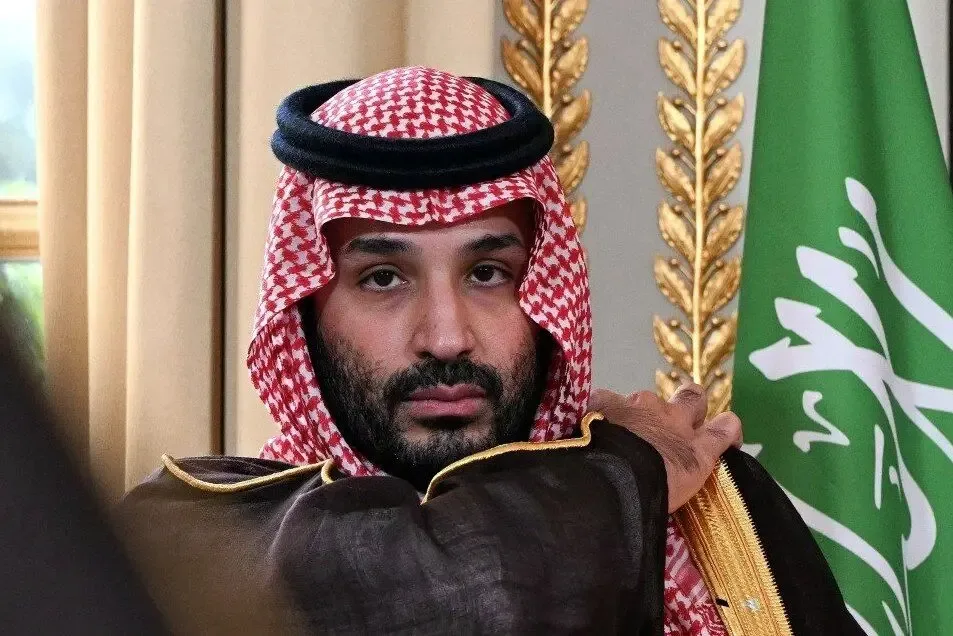
Mohammed bin Salman, the Crown Prince of Saudi Arabia, recently informed American officials that the maritime blockade of Iran should continue until this country reaches a new agreement. This stance comes amid recent developments where efforts are underway to revive negotiations between the two sides.
Efforts to Revive Negotiations
In this context, Qatar continues its active mediation efforts to initiate negotiations in Oman, which could pave the way for the reopening of the Strait of Hormuz and the end of the war. Meanwhile, Donald Trump, the President of the United States, has expressed hope that both sides will return to the negotiating table. However, the positions of the Gulf Arab countries on this issue vary.
Read more: Pakistani Analyst: The Gulf Must Be a Gulf of Peace and Energy Security
Positions of Gulf Countries
Saudi Arabia and the UAE, as the two main countries in this crisis, are reluctant to escalate militarization against Iran, but they also believe that Washington should not easily discard existing leverage. According to reports, these two countries have advised the Trump administration to continue economic pressures and are not in favor of reducing sanctions or ending the U.S. maritime blockade without receiving reciprocal concessions from Iran. A White House official has also stated that sanctions and the blockade have strengthened the U.S. position against Tehran.
Factors Influencing Change in Approach
One of the main factors behind this change in perspective is developments related to energy export routes. Gulf Arab countries are heavily dependent on the security of the Strait of Hormuz, and Saudi Arabia has attempted to mitigate some of this vulnerability by creating a route through the Red Sea. However, attacks by Houthi rebels from Yemen on this alternative route have put additional pressure on the country. Additionally, the East-West pipeline in Saudi Arabia has recently been targeted by drone attacks, and Riyadh is working to bring it back online.
Concerns Over Lack of a Sustainable Agreement
In recent months, Saudi Arabia has been recognized as a serious supporter of negotiations and was even willing to accept an agreement that would give Tehran a role in managing the Strait of Hormuz. However, attacks on Saudi vessels and pressure from the Houthis on the Red Sea route have increased Riyadh's doubts about achieving a sustainable agreement. For instance, Mohammed bin Salman has emphasized in discussions with American officials that the blockade should continue until Iran agrees to a new deal.
Different Approaches of Qatar and Oman
In contrast, Qatar and Oman have taken a different approach and continue to believe that the cost of war for the region has risen significantly, and a phased agreement for reopening the Strait of Hormuz and halting attacks is the most practical option for exiting the crisis. Qatar has attempted to resume talks on the sidelines of the UN General Assembly, and one of the proposed suggestions is a seven-day ceasefire in hostilities, which could serve as a precursor to reducing the U.S. blockade in exchange for halting Iranian attacks on shipping.
Outlook for Negotiations and U.S. Positions
However, despite these efforts, reports indicate that Washington has informed Qatari mediators that Trump currently does not intend to lift maritime sanctions. This could lead to continued tensions and mistrust between the parties and negatively impact the negotiation process.
Read more: Putin and the Saudi Crown Prince Emphasized the Need for Safe Passage Through the Strait of Hormuz and Bab el-Mandeb · Senator Jean Shaheen Urges Trump to Force China to Stop Supporting Iran