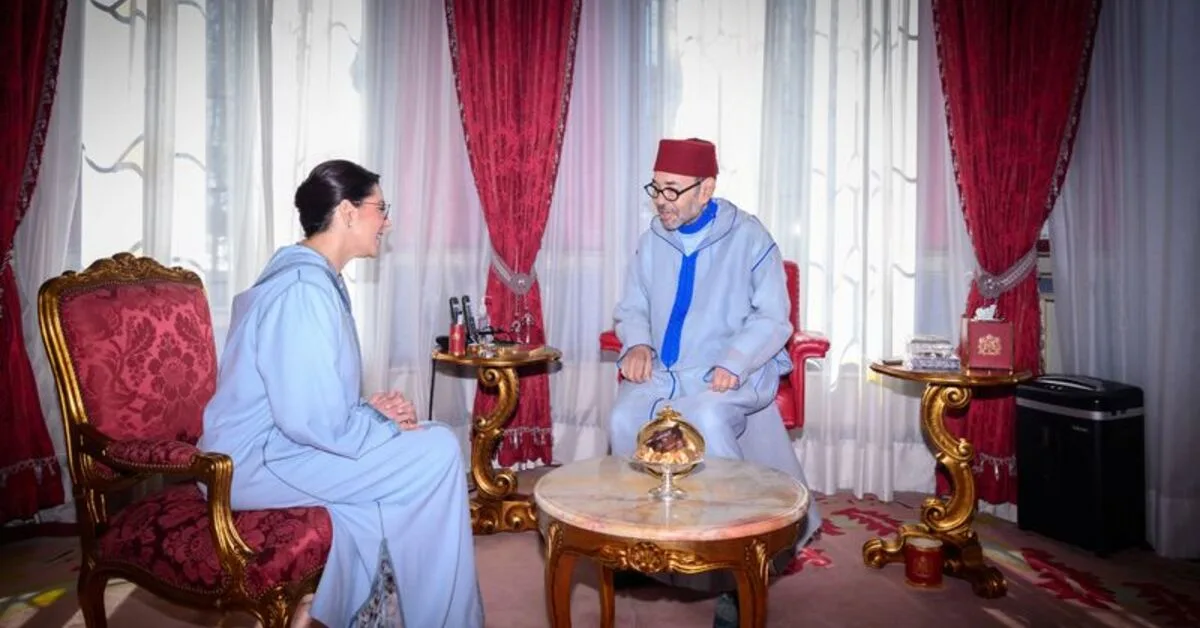
King Mohammed VI of Morocco appointed Fatima Zahra Mansouri as the country's first female prime minister. This appointment follows the victory of the Authenticity and Modernity Party (PAM) in the parliamentary elections on September 23. The royal palace announced in a statement that the king has asked Mansouri to form a new cabinet.
Political Background of PAM
The Authenticity and Modernity Party (PAM) was founded in 2008 by a royal advisor and has since emerged as a counterweight to the Islamic Justice and Development Party (PJD). This party seeks social modernization and secular views. Morocco is a constitutional monarchy where the king holds extensive powers over foreign policy, defense, and other key areas.
According to Morocco's constitution, the king must appoint the head of government from the political party that has won the most seats in the House of Representatives. Mansouri, who was a lawyer and housing minister in the previous government, is now responsible for forming a coalition government and presenting a list of cabinet members for the king's approval.
Challenges Ahead and Importance of the New Government
The new government must manage the final stages of a $20 billion plan to prepare for the 2030 World Cup, which Morocco will host alongside Portugal and Spain. Additionally, this government must implement economic policies that address the grievances of youth, which have gained significant attention following a border surge to the Spanish enclave of Ceuta last summer and deadly Generation Z protests last year.
PAM topped the election table with 97 seats. Following them were their partners in the previous government, the National Rally of Independents (RNI) with 66 seats and the Nationalist Independence Party with 65 seats. Mansouri had stated during her election campaign that she was unwilling to form a coalition with RNI, as the two parties had criticized each other over political issues and rising food prices. However, she emphasized on Thursday that there would be no "red lines" in negotiations, stating, "We have turned a new page."
Abdallah Benkirane, the former prime minister and leader of the PJD, which secured 54 seats, announced that his party would remain in opposition. Three leftist parties also secured a smaller share of the seats.
The voter turnout in the elections, which is considered a measure of trust in electoral institutions, has dropped to about 38%. This is down from approximately 50% in the previous elections. The PJD faced a significant defeat in the previous elections after a decade in power.
In recent years, King Mohammed VI has appointed a female advisor and has engaged women in senior institutional roles in Morocco. The previous government also had four female ministers.