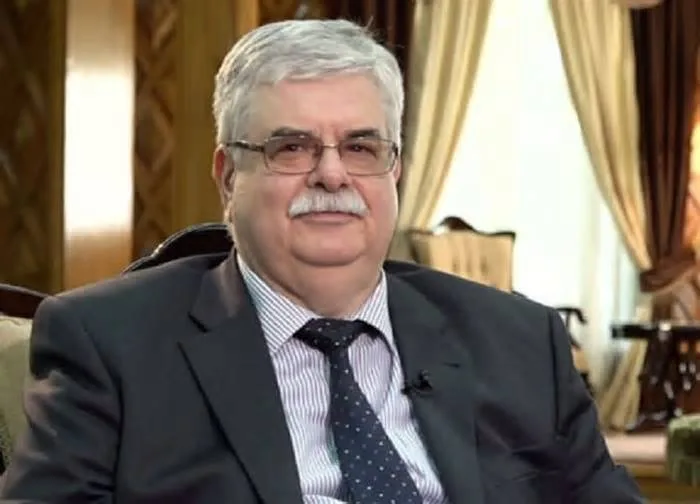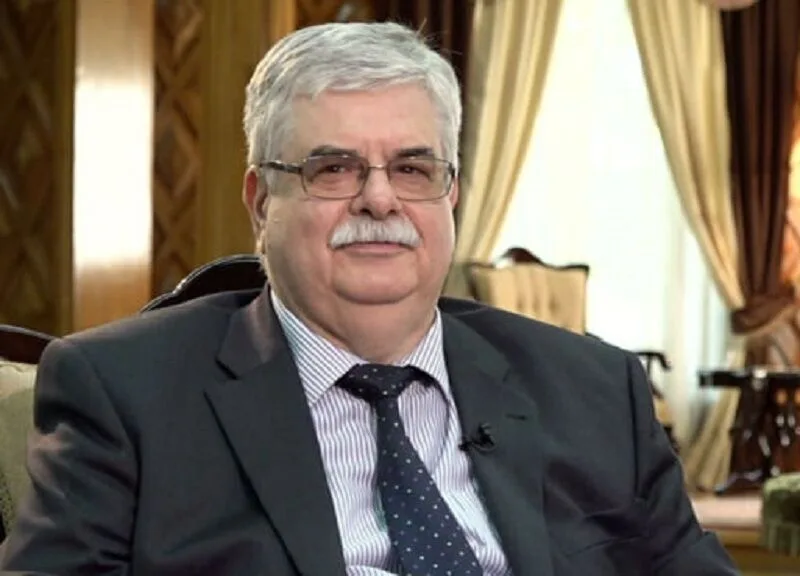
Alexey Dedov, the Ambassador of the Russian Federation in Tehran, recently stressed the need to create a new security architecture in the Persian Gulf region. He stated that recent experiences have shown that the security umbrella and military guarantees of the United States are not fully effective, leading Arab countries in the region to reconsider their security approaches.
Change in the Approaches of Arab Countries
Dedov noted that Arab countries have historically been heavily dependent on U.S. bases and support. However, with the gradual withdrawal of American forces from the region and the understanding of new realities, these countries are seeking a fresh and independent approach to their security. These developments indicate major changes in the geopolitical equations of the Persian Gulf region.
Read more: Kuwait: Meeting of Military and Security Officials to Review Preparedness in Regional Conditions
Moscow's Collective Security Plan
The Russian ambassador further introduced Moscow's plan to establish a doctrine of collective security in the Persian Gulf as a solution suitable for current conditions. This plan is based on direct dialogue among all coastal countries, including Iran and Arab countries, with the participation of constructive actors. According to Dedov, this plan could help increase stability and security in the region.
Previously, Sergey Lavrov, the Russian Foreign Minister, also emphasized the importance of updating the concept of collective security in the region during a speech at the Manama meeting, highlighting the need to avoid incorrect and anti-Iranian approaches. These positions reflect Moscow's willingness to play a more active role in ensuring regional security and creating new collaborations between Iran and Arab countries.
Possible Consequences
Russia's emphasis on the need to create a new security architecture in the Persian Gulf could have significant implications for international relations in this region. This may likely lead to strengthened political and security cooperation between Iran and Arab countries and could pave the way for a more robust security system in the Persian Gulf. These developments could also help reduce tensions and improve relations among regional countries.
Overall, Moscow's new approach to Persian Gulf security and its emphasis on collective cooperation could open new horizons for diplomacy and security in this sensitive region. These developments require deeper examination and analysis regarding the future of international relations in the Persian Gulf and the role of major powers in it.
Read more: Continued Popular Protests in Bahrain Against the Actions of the Al-Khalifa Regime · The U.S. Government Says There is a Possibility of an Attack on Iran if Negotiations Progress