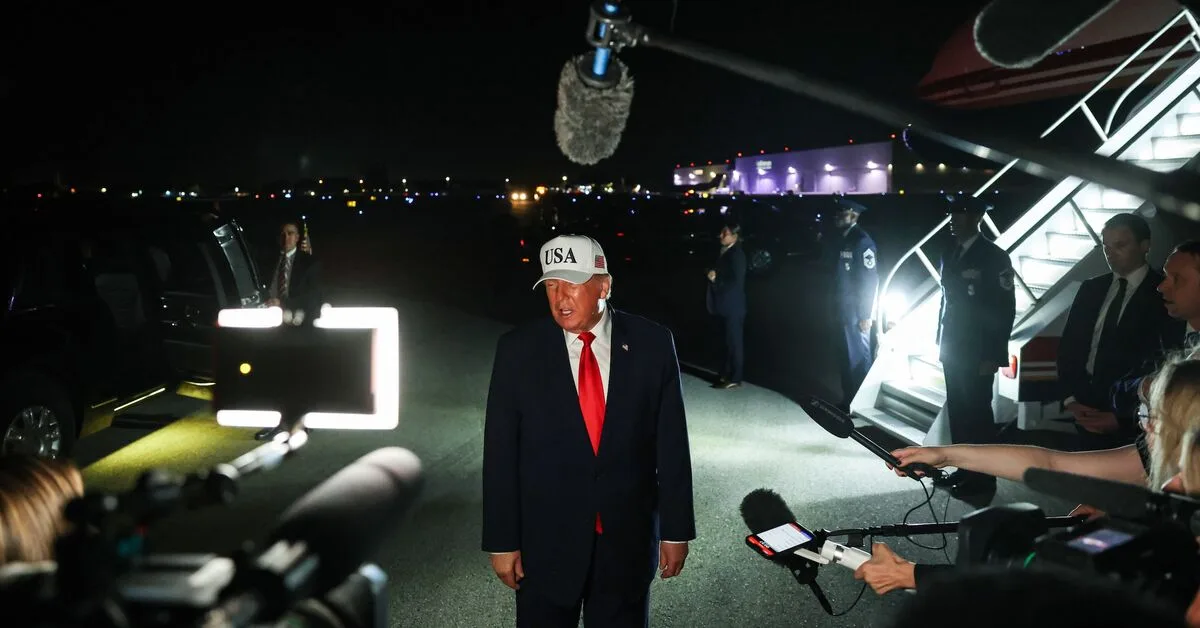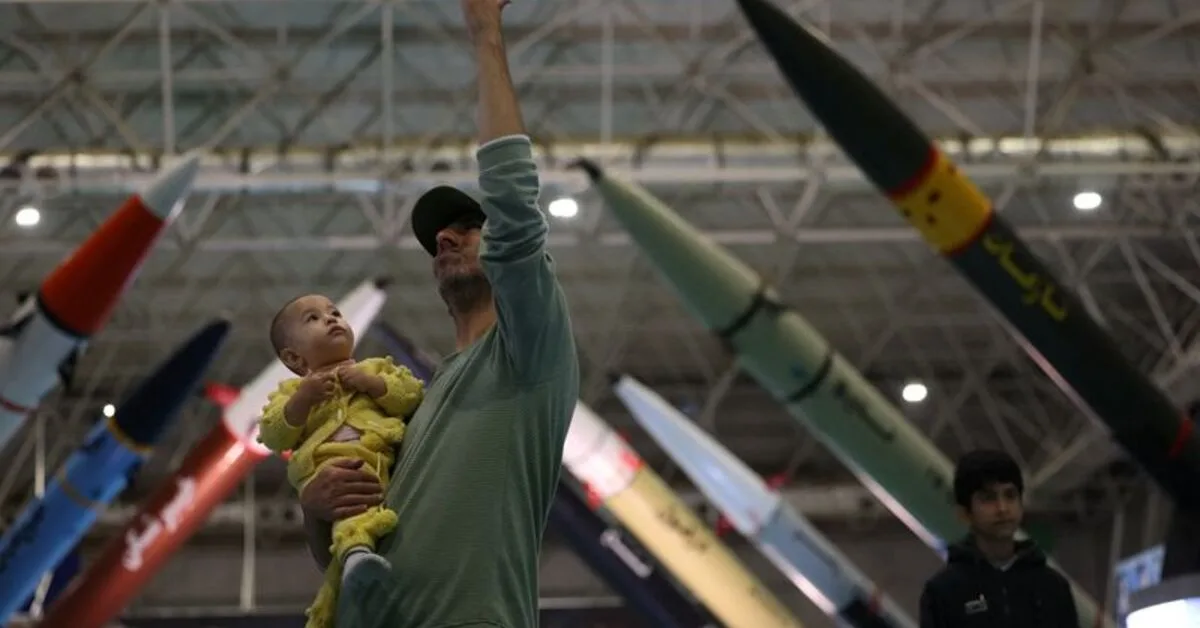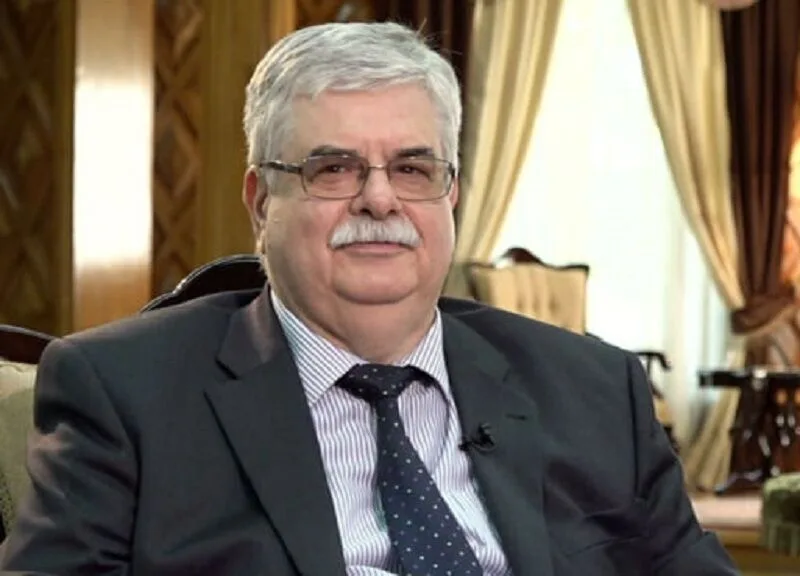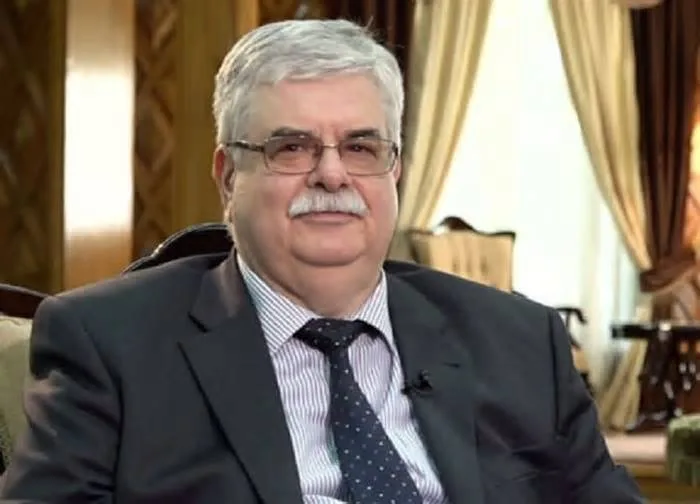
The Ambassador of the Russian Federation in Tehran, in his recent statements, referred to the ineffectiveness of the United States' security umbrella for Arab countries in the Persian Gulf region. This point clearly indicates fundamental changes in the attitudes of regional countries towards their security dependencies on foreign powers.
Arab Countries' Empirical Experience
The Russian ambassador emphasized that empirical experience has led Arab countries to conclude that America's security umbrella cannot effectively protect them against various threats. This assessment could signify a transformation in the security and defense policies of these countries, especially as tensions in the Persian Gulf region have increased.
Read more: China Seeks to Expand Nuclear Cooperation with Gulf Countries
Possible Consequences and Changes
This shift in attitude could lead to increased regional cooperation and the establishment of more independent security institutions. Arab countries may seek to strengthen their relations with other global powers and develop their defense capabilities. This action could reduce their dependence on the United States and create a new balance in the power equations in the region.
This analysis indicates that Arab countries need to seriously reassess their security strategies. In a situation where there are diverse security threats from both state and non-state actors, creating an independent and coordinated approach could help maintain stability and security in this sensitive region.
Ultimately, these statements from the Russian diplomat indicate that Arab countries are changing their approach to security issues and are seeking alternative solutions to ensure their national security. These developments could lead to the establishment of a new security order in the Persian Gulf.
Read more: Change in U.S. Security Policy in the Middle East and Its Consequences for Arab Countries · The U.S. Offers $20 Million Reward for Information on Iran's Nuclear Program