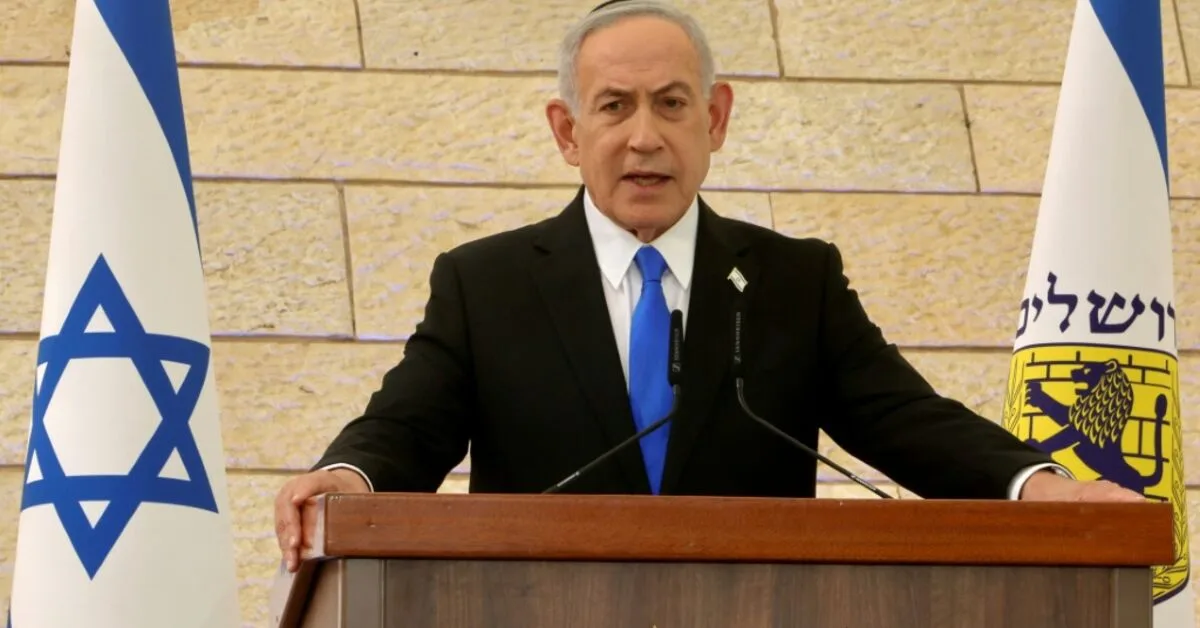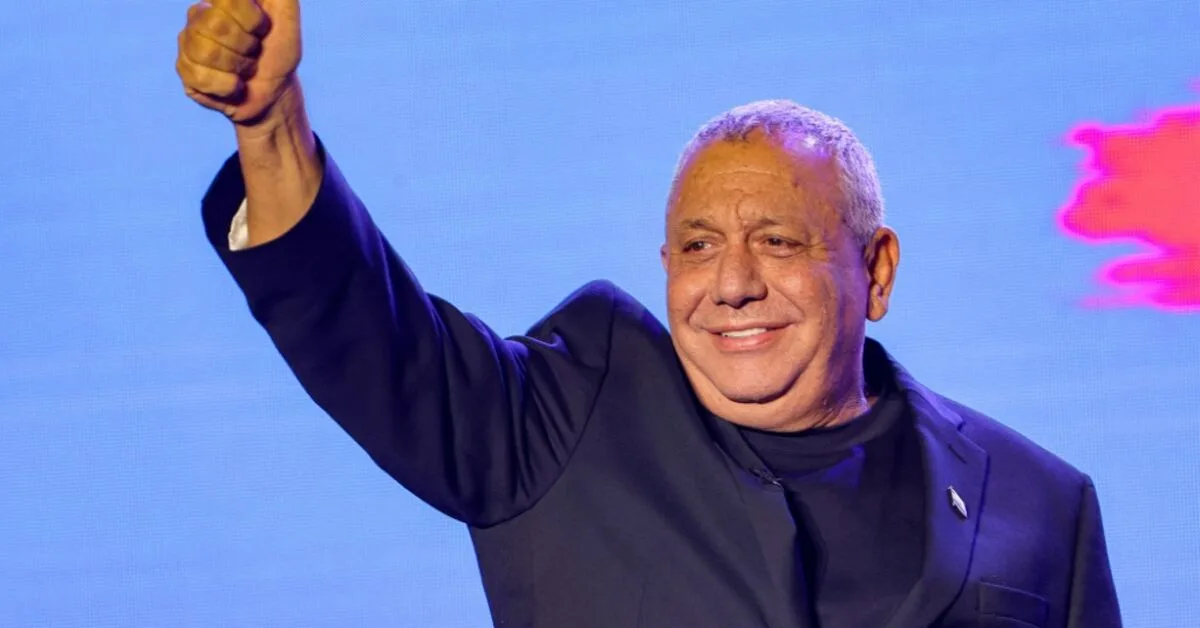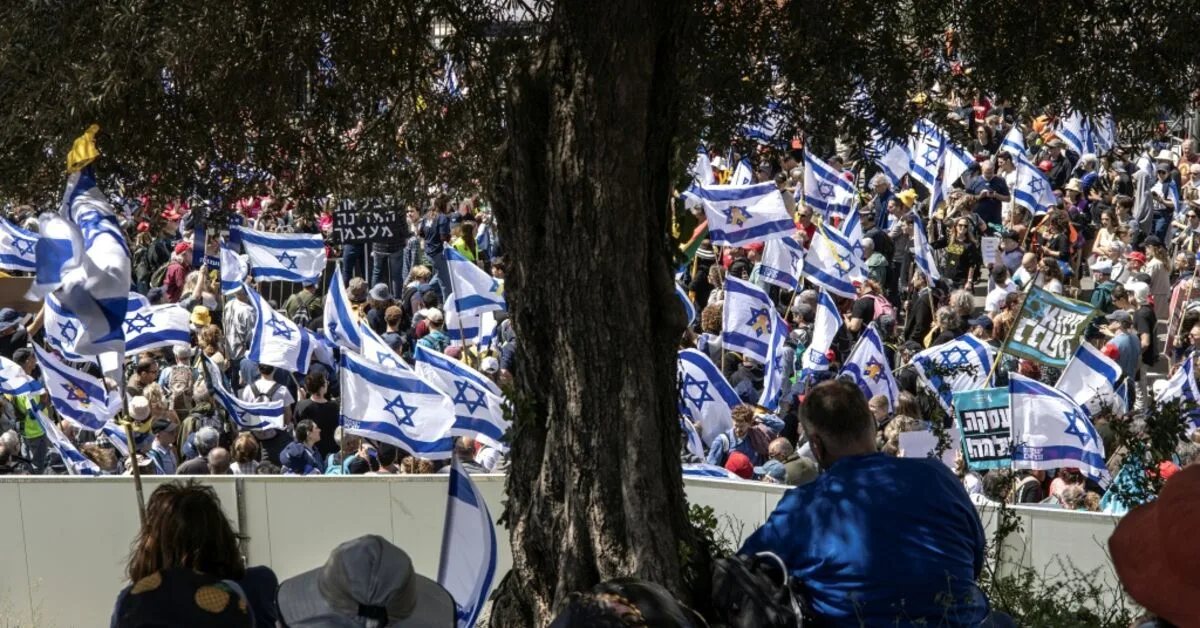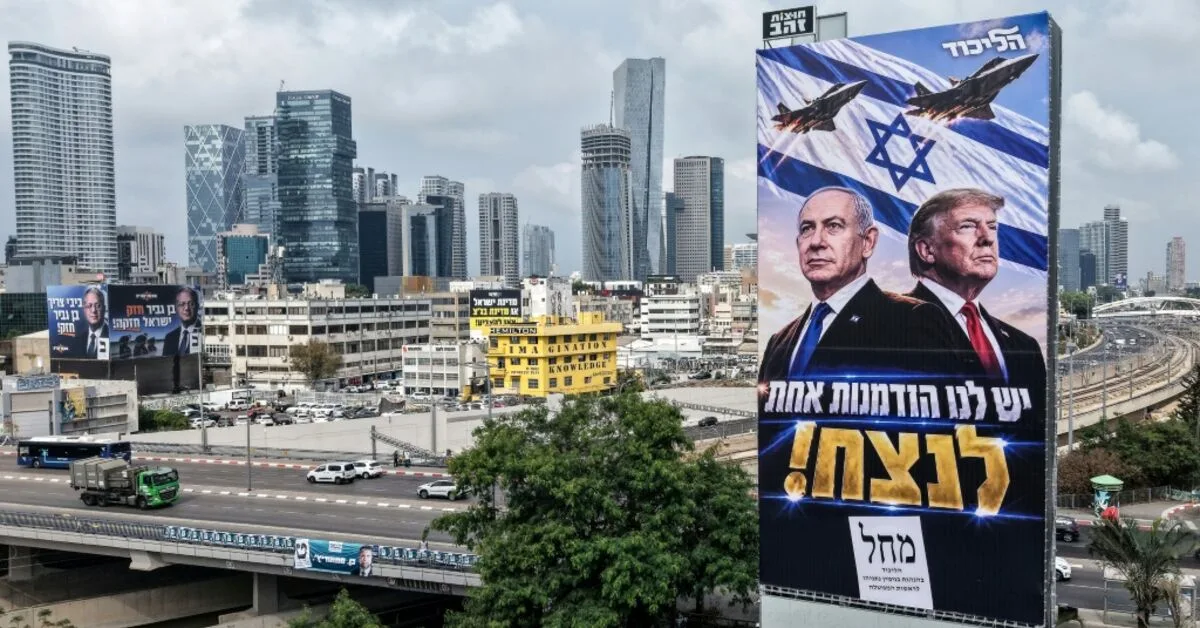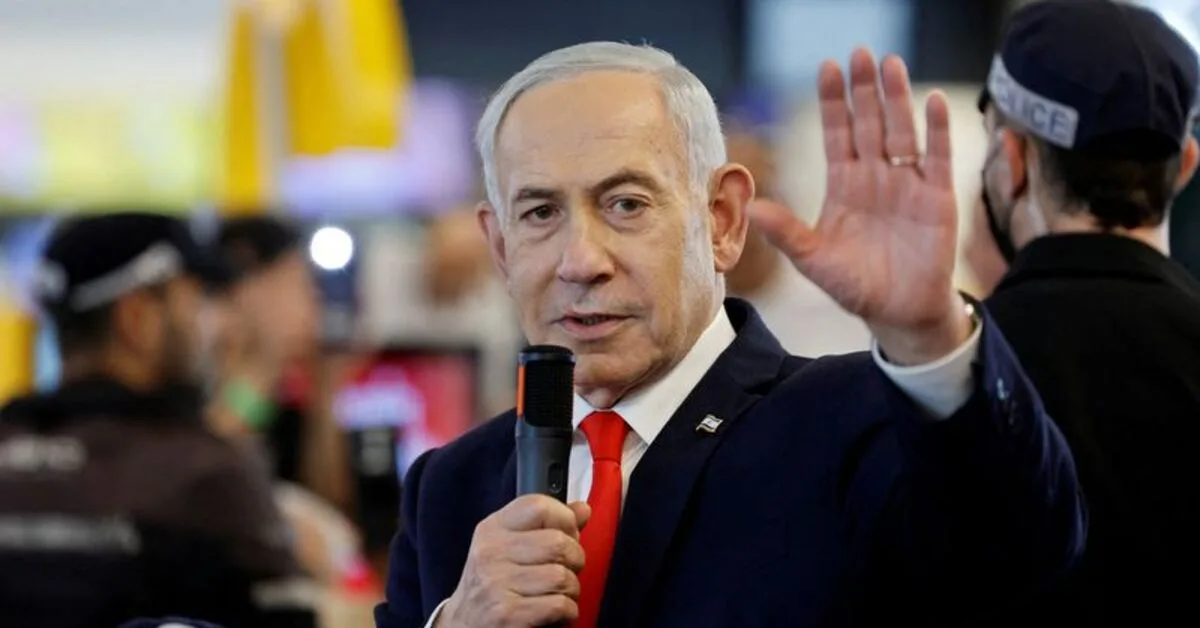
Benjamin Netanyahu, the Prime Minister of Israel, and Gadi Eizengot, his main rival, are both emphasizing their opposition to the establishment of an independent Palestinian state as they approach the upcoming elections. This indicates that next week's elections are unlikely to bring major changes to Israel's policies that have long disrupted the peace process with the Palestinians.
Security and Military Positions
Following the October 7 attacks led by Hamas, both Netanyahu and Eizengot have taken a hardline stance towards Gaza, stating that they will resume war if Hamas is not disarmed. This comes as Hamas has called for the destruction of Israel in its charter. Both candidates believe that Israel should maintain ultimate security control over all territories between the Jordan River and the Mediterranean Sea.
Settlement Policies and Resolutions
Despite some common agreements in certain areas, Netanyahu and Eizengot have differing views on settlement construction in the West Bank. Netanyahu has continued rapid settlement development, while Eizengot adheres to legal principles and calls for the demolition of unauthorized settlements and prevention of settler violence against Palestinians. At the same time, Eizengot has protested Netanyahu's government's decision to build in an area known as E1, which appears to undermine the possibility of establishing a Palestinian state.
The developments in Israel's policies and its outlook towards Palestinians indicate profound changes in domestic and foreign policies. Both candidates are seeking to form coalitions that could alter the future course of Israel. While Netanyahu is aligned with nationalist right-wing parties, Eizengot is seeking support from left-wing parties, particularly the Democrats, who are the only major Jewish party supporting a two-state solution.
Social and Political Challenges
Although Eizengot is attempting to form coalitions with less extreme right-wing parties, he will likely need the support of the Democrats to unseat Netanyahu. Currently, the Democrats are the only major Jewish party supporting a two-state solution. Both candidates have stated that they are unwilling to form a government with parties primarily representing Israel's Palestinian citizens, who make up nearly one-fifth of the country's population.
The upcoming elections represent very serious challenges in Israel's policies and its relations with the Palestinians. While both Netanyahu and Eizengot continue to maintain hardline positions towards Hamas and the Palestinians, these elections could mark a turning point in Israel's political history and the future of peace in the region.